Custom soap makers are increasingly vital in a world demanding personalized products and sustainable practices. From small-batch artisans to larger-scale manufacturers catering to niche markets, these creators offer a compelling alternative to mass-produced soaps laden with synthetic ingredients. This shift reflects a broader consumer trend towards conscious consumption and a desire for products aligned with individual needs and ethical values.
The global soap market is a multi-billion dollar industry, with growing demand fueled by increased hygiene awareness and a preference for natural skincare. However, conventional soap production often relies on unsustainable palm oil and harsh chemicals. Custom soap makers address these concerns by utilizing ethically sourced ingredients, employing eco-friendly production methods, and offering tailored formulations for sensitive skin or specific therapeutic benefits. This is an industry responding to, and shaping, consumer desires.
Understanding the nuances of custom soap making – from ingredient selection and saponification processes to marketing and branding – is crucial for entrepreneurs looking to enter this thriving sector, and for consumers seeking genuine, high-quality products. The ability to create unique and effective soap formulations represents both a business opportunity and a path towards greater personal wellbeing.
The Rise of Custom Soap Makers
The demand for custom soap makers is fueled by a growing awareness of the ingredients found in commercially produced soaps. Many consumers are actively seeking alternatives free from harsh chemicals, synthetic fragrances, and unsustainable palm oil. This has led to a flourishing market for artisanal soaps crafted with natural, ethically sourced ingredients.
This shift isn't merely a trend; it reflects a fundamental change in consumer values. People are prioritizing health, sustainability, and personalization in their purchasing decisions, and custom soap makers are uniquely positioned to meet these needs. They cater to specific skin types, allergies, and preferences, offering a level of customization unavailable from mass-market brands.
Defining Custom Soap Makers
Custom soap makers encompass a diverse range of businesses and individuals. At its core, a custom soap maker is someone who formulates and produces soap tailored to specific requirements, be it ingredient preferences, scent profiles, or targeted skin concerns. This contrasts with large-scale manufacturers who prioritize volume and standardized formulations.
This can range from home-based hobbyists selling at local farmers’ markets to established businesses offering a wide range of customized soap options online and in retail settings. Many custom soap makers also emphasize transparency, detailing their ingredient sourcing and production processes to build trust with consumers.
The connection to modern industry lies in the growing 'maker' movement and the increasing demand for personalized products. Humanitarian needs are met by custom soap makers providing hygiene solutions in situations where standardized options aren’t suitable or available, like disaster relief or specialized care facilities.
Core Components of Custom Soap Making
Several core components underpin the art and science of custom soap making. First, Ingredient Selection is paramount. Choosing high-quality oils, butters, and additives (essential oils, herbs, clays) directly impacts the soap's quality, lather, and benefits. Sourcing ethically and sustainably is also key for many custom soap makers.
Secondly, Saponification, the chemical process of turning oils into soap, is fundamental. Understanding the different methods (cold process, hot process, melt and pour) and calculating lye concentrations accurately is critical for safety and soap quality. Precise measurements are non-negotiable.
Third, Formulation and Design involve crafting recipes to achieve desired properties – hardness, lather, moisturizing capabilities, and aesthetic appeal. This often requires experimentation and a deep understanding of ingredient interactions. Finally, Curing and Aging are essential for allowing the soap to fully harden, mellow, and develop its intended characteristics.
Applications Across Industries
Custom soap makers’ products find applications in a surprising number of industries. The Cosmetics Industry benefits from unique ingredients and formulations for specialized skin care lines. Hospitality uses branded, custom soaps to enhance guest experiences.
The Wellness Sector integrates aromatherapy and herbal soaps into therapeutic treatments and self-care routines. Furthermore, Gift and Retail markets thrive on handcrafted soaps as unique and personalized presents. In post-disaster relief operations, custom soap makers can provide gentle, hypoallergenic soap for vulnerable populations.
Custom Soap Makers Formulation Effectiveness
Advantages & Sustainable Value
The advantages of choosing custom soap makers extend beyond personalization. They often offer Cost-Effectiveness through direct-to-consumer sales and reduced overhead. Moreover, they champion Sustainability by utilizing eco-friendly ingredients and minimal packaging.
Custom soap making also fosters Social Impact by supporting small businesses and local economies. The inherent Reliability of handcrafted products, with an emphasis on quality control, assures customers of a consistent and effective product. Finally, the ability to create truly unique products builds Trust and loyalty.
Future Trends & Innovations
The future of custom soap making is likely to be shaped by several key trends. Green Chemistry will drive the development of even more sustainable and biodegradable ingredients. Digitalization will enable greater personalization through online platforms and automated formulation tools.
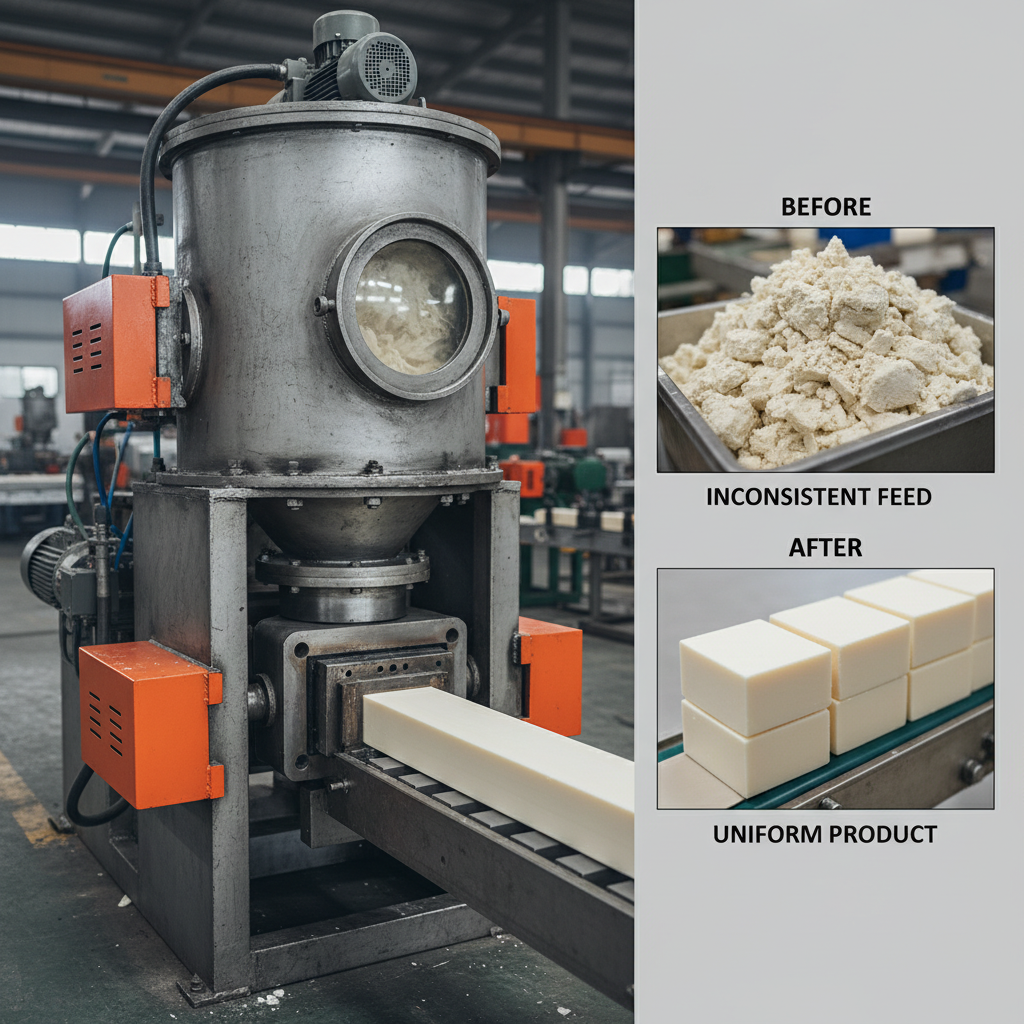
Automation in small-batch production will increase efficiency and reduce labor costs. Finally, a growing emphasis on Transparency and traceability will empower consumers to make informed purchasing decisions. We can expect to see more sophisticated and eco-conscious approaches to crafting bespoke soaps.
Challenges and Solutions for Custom Soap Makers
Custom soap makers face certain challenges, including Scaling Production while maintaining quality, Ingredient Sourcing consistency and affordability, and Regulatory Compliance with cosmetic labeling requirements. Competing with mass-produced soaps on price can also be difficult.
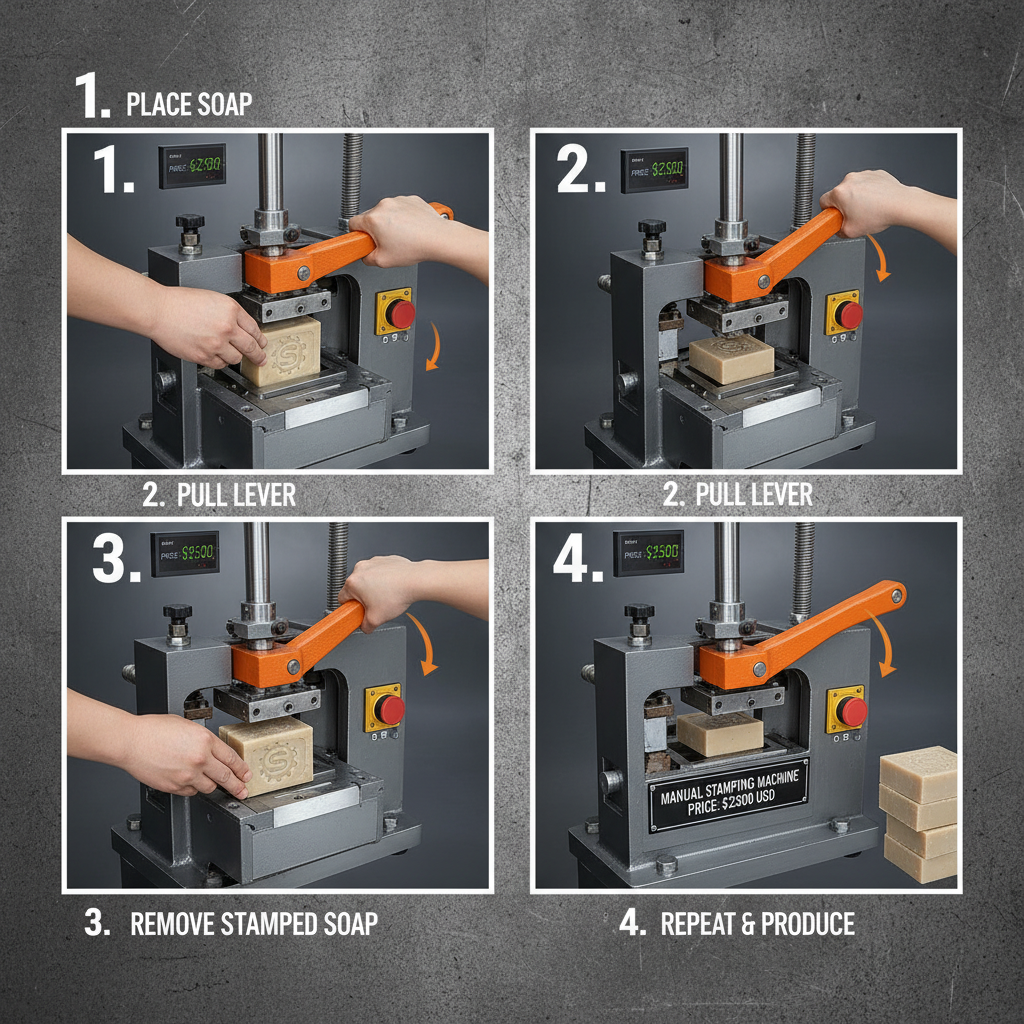
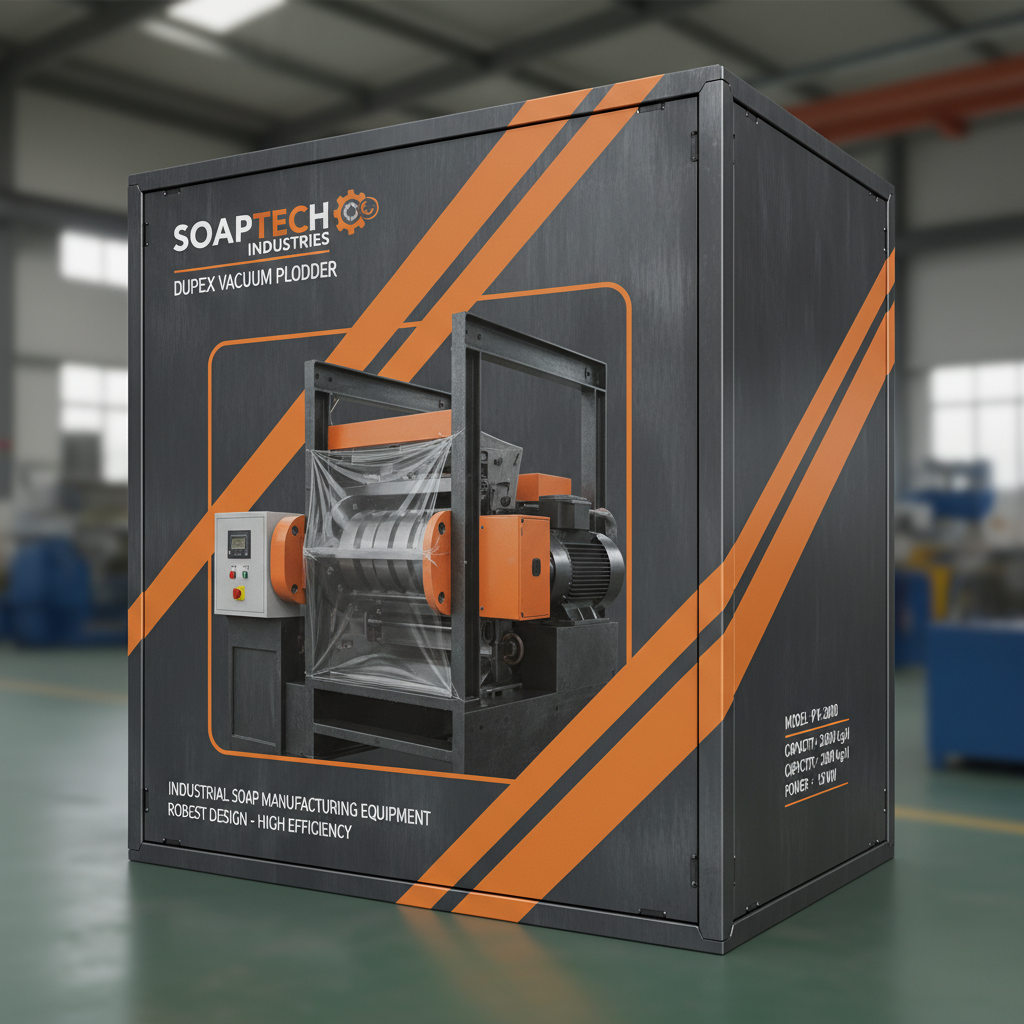
Solutions include investing in efficient equipment, establishing strong relationships with suppliers, proactively seeking certifications, and focusing on niche markets where premium pricing is accepted. Leveraging online marketing and building a strong brand identity are also crucial for success.
Collaborating with other small businesses and forming co-ops can also provide collective bargaining power for ingredient sourcing and shared resources for marketing and distribution, helping custom soap makers thrive in a competitive landscape.
Challenges and Solutions for Custom Soap Makers – A Comparative Overview
| Challenge |
Impact on Custom Soap Makers |
Potential Solution |
Implementation Cost (1-10) |
| Ingredient Supply Chain Disruptions |
Increased costs, formulation inconsistencies |
Diversify suppliers, build buffer inventory |
6 |
| Scaling Production Capacity |
Difficulty meeting increased demand |
Invest in semi-automated equipment |
8 |
| Maintaining Formulation Consistency |
Batch-to-batch variations in product quality |
Precise measurement tools, standardized procedures |
4 |
| Marketing & Brand Visibility |
Reaching target customers, building brand recognition |
Targeted social media campaigns, content marketing |
5 |
| Regulatory Compliance (Labeling) |
Legal risks, potential fines |
Consult with legal experts, stay updated on regulations |
7 |
| Competition from Mass-Produced Soaps |
Price wars, difficulty attracting customers |
Focus on niche markets, emphasize unique value proposition |
3 |
FAQS
Custom soap often utilizes higher quality, natural ingredients without harsh chemicals or synthetic fragrances commonly found in commercially produced soaps. Custom soap makers have control over the entire formulation process, allowing for tailored solutions based on skin type, allergies, or desired benefits. This also supports ethical sourcing and sustainable practices, appealing to environmentally conscious consumers.
Often, yes. Many store-bought soaps contain harsh detergents and artificial additives that can irritate sensitive skin. Custom soap makers frequently use gentle oils like olive oil, shea butter, and coconut oil, along with natural soothing ingredients like chamomile or calendula. The ability to exclude specific allergens or irritants makes handmade soap a beneficial choice for those with skin sensitivities.
Properly cured and stored custom soap can last for 6 months to a year, or even longer. Curing allows excess water to evaporate, resulting in a harder, longer-lasting bar. To maximize shelf life, store soap in a cool, dry place, away from direct sunlight and humidity. Allowing the soap to dry between uses also helps to extend its lifespan.
Natural essential oils offer a variety of therapeutic benefits beyond just fragrance. Different oils possess properties such as calming (lavender), energizing (citrus), or antiseptic (tea tree). They can contribute to a more holistic and beneficial cleansing experience. However, it’s important to note that some essential oils may cause sensitivities, so it's best to perform a patch test before full use.
Look for custom soap makers who explicitly state their commitment to sustainability. Inquire about their ingredient sourcing – are they using ethically harvested ingredients like palm oil? Do they prioritize organic or locally sourced ingredients? Also, consider their packaging - is it minimal and recyclable? Transparency in their practices is a good sign of a responsible and sustainable business.
Absolutely! That’s the beauty of working with custom soap makers. Most are happy to discuss your specific requirements – whether it’s a particular scent, skin concern, or ingredient preference. Communicating your needs clearly and providing relevant information (like allergies or skin sensitivities) will help the soap maker create a formulation tailored just for you.
Conclusion
Custom soap makers represent a dynamic and growing sector within the broader beauty and wellness industry. By prioritizing natural ingredients, sustainable practices, and personalized formulations, they are meeting a growing consumer demand for high-quality, ethically produced products. The rise of custom soap making signifies a shift away from mass production and towards a more conscious and holistic approach to self-care.
Looking ahead, innovation in ingredients, automation of processes, and increased transparency will further elevate the industry. Supporting custom soap makers not only benefits consumers seeking superior products but also contributes to a more sustainable and equitable economy. To explore the world of custom soap and find the perfect formulation for your needs, visit our website: custom soap makers.