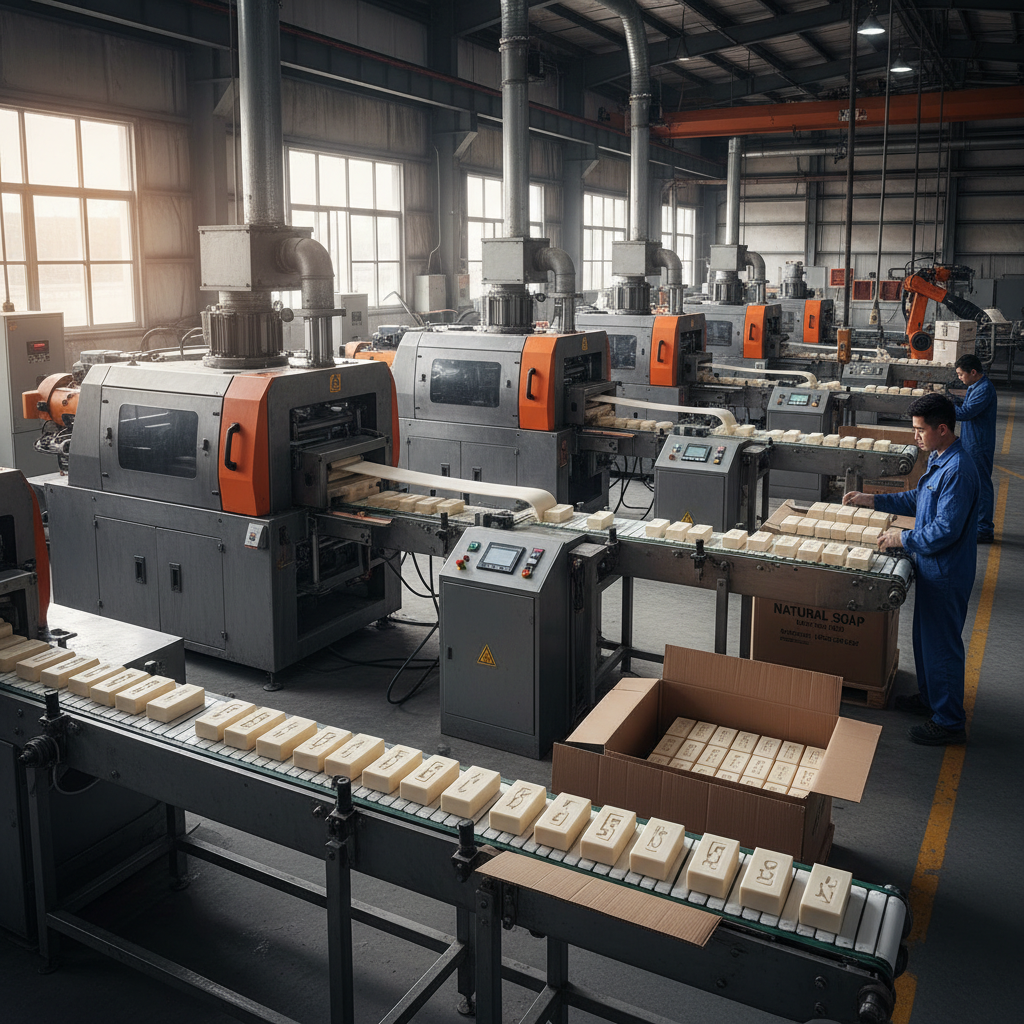
Pleat Wrapping Machine: Revolutionizing Packaging Across Industries
At first glance, a pleat wrapping machine might sound like an obscure piece of industrial jargon. Yet, this remarkable technology has become a quietly pivotal tool globally—streamlining packaging processes, enhancing product protection, and enabling faster, more sustainable operations. Understanding how pleat wrapping machines function and why they matter offers a lens into how industries are adapting to modern challenges like cost efficiency, waste reduction, and scalability.
Why Does the Pleat Wrapping Machine Matter Globally?
Global trade volumes hit an astounding 17.1 trillion USD recently, underlining how efficient, cost-effective packaging has become a nerve center of supply chains worldwide. The pleat wrapping machine, central to these systems, addresses vital problems—like reducing packaging waste, improving load stability, and reducing manual labor.
Industries from food processing to pharmaceuticals rely heavily on these machines to maintain quality while meeting tight deadlines. Oddly enough, their impact even extends to humanitarian logistics, where quick, safe packaging during disaster relief can save lives.
What Exactly Is a Pleat Wrapping Machine?
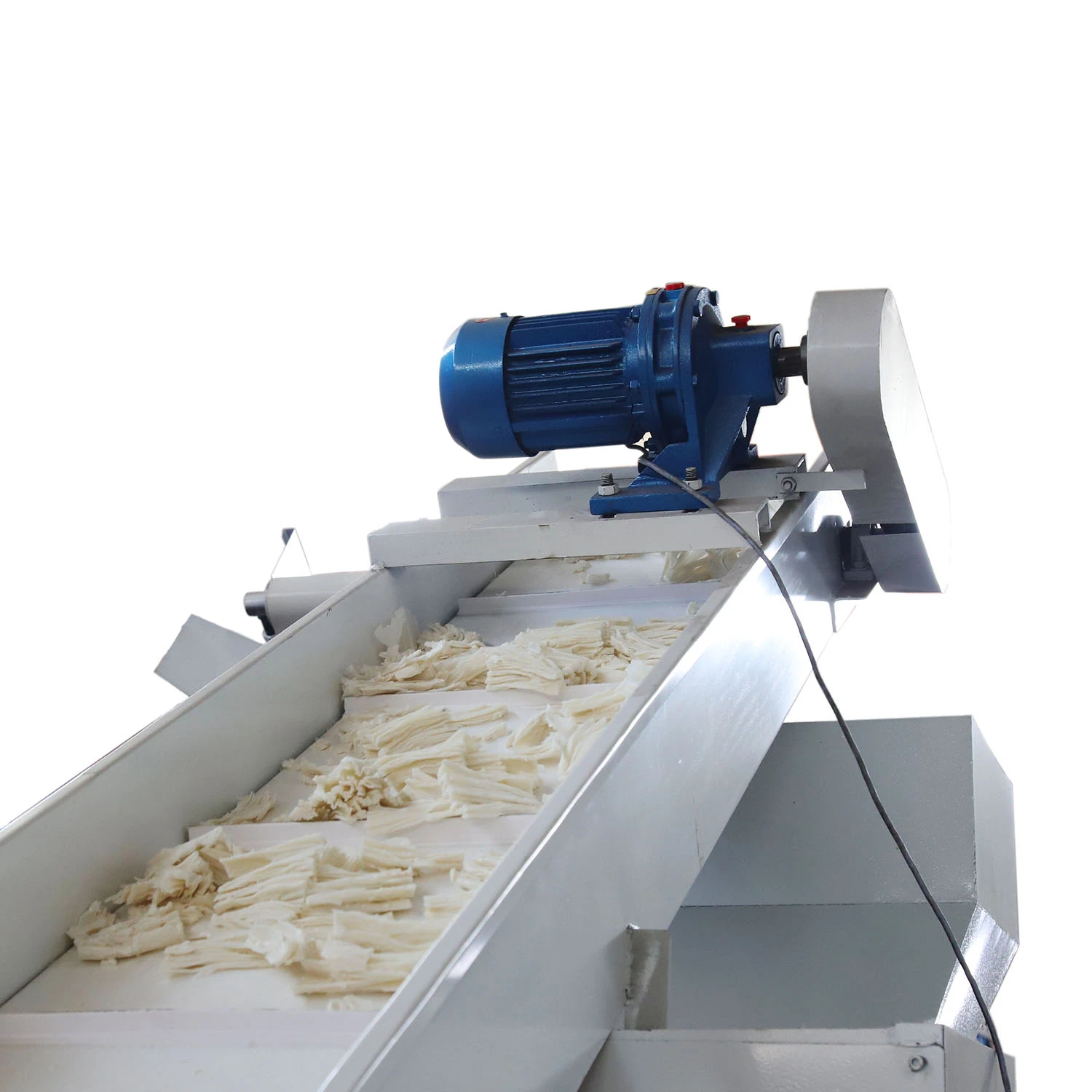
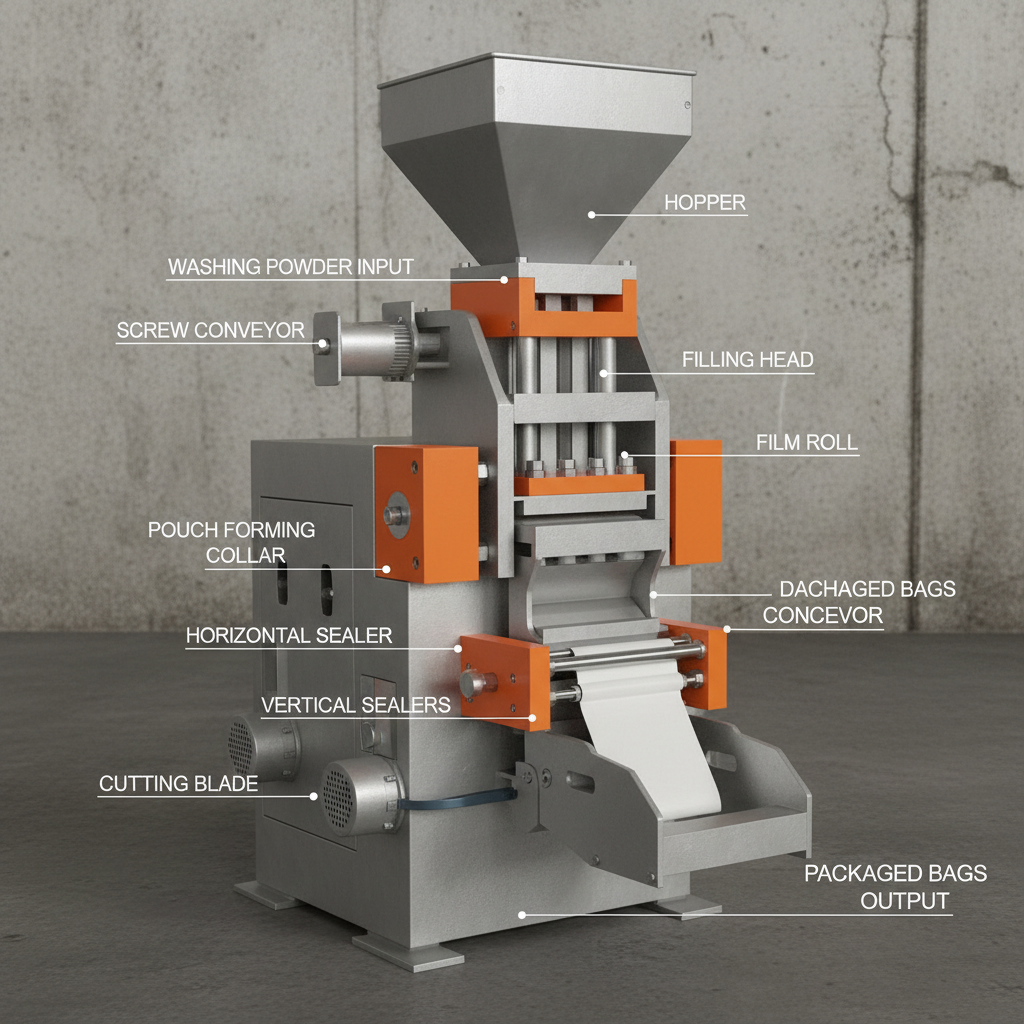
Simply put, a pleat wrapping machine is an automated packaging system designed to wrap products in pleated films. “Pleated” here refers to folded or gathered layers of film material that expand around the product. This technique offers superior fit and cushioning compared to flat wrapping. Users can expect increased wrapping speed without sacrificing protection.
Instead of bulky, wasteful packaging, pleat wrapping machines produce snug, adaptive coverings tailored to various product shapes and sizes. In modern industry, this maximizes material efficiency and product safety. In humanitarian contexts, it ensures fragile supplies arrive intact, often in challenging environments.
Core Components and Key Factors of Pleat Wrapping Machines
- Durability: Built to withstand continuous industrial use with minimal downtime, often featuring stainless steel frames and heavy-duty motors.
- Scalability: Modular designs allow configurations from small-scale packaging lines to high-throughput factories.
- Cost Efficiency: By reducing material usage and labor costs, these machines deliver long-term savings.
- Customization: Settings adjusted to various film materials and product dimensions mean flexibility across sectors.
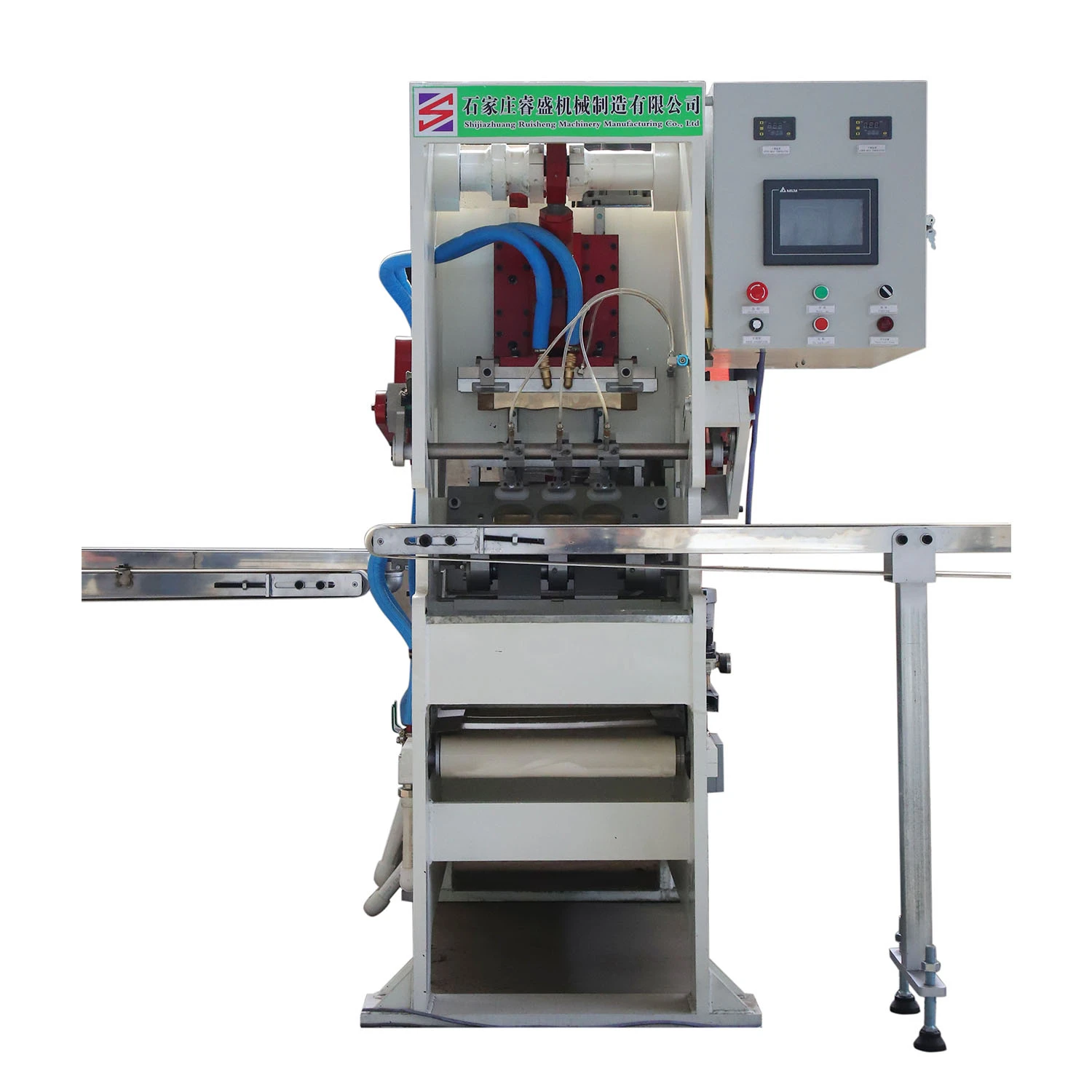
- User-Friendly Controls: Intuitive touchscreen interfaces help operators monitor and tweak wrapping parameters easily.
- Sustainability: Many units now support biodegradable or recycled film films, aligning with corporate green objectives.
Mini takeaway: Pleat wrapping machines combine robust engineering with adaptable, eco-conscious design—making them truly versatile tools.
Global Applications and Use Cases
Across continents, the pleat wrapping machine finds a home in diverse industries. In Europe and North America, food manufacturers rely on it to keep bakery goods fresh and intact during transportation. In Southeast Asia, electronics assemblers use pleat wrapping to protect delicate circuitry efficiently.
Perhaps the most compelling application is in humanitarian aid. Post-disaster relief operations in sub-Saharan Africa and South America deploy pleat wrapping machines to package medical kits quickly, preserving product sterility in rough conditions. Similarly, industrial zones in remote regions of Australia utilize these machines to wrap spare machine parts economically, reducing ship time and material costs.
Product Specifications at a Glance
| Specification | Description |
|---|---|
| Wrapping Speed | Up to 45 packs per minute |
| Film Type | PE, biodegradable, recyclable films |
| Power Requirement | 220V/50Hz single-phase |
| Machine Dimensions | 1.2m (L) x 0.8m (W) x 1.5m (H) |
| Weight | Approx. 250 kg |
Vendor Comparison: Pleat Wrapping Machine Models
| Vendor | Speed (packs/min) | Customization Level | Price Range |
|---|---|---|---|
| WrapTech Solutions | Up to 40 | Medium | $15,000 - $22,000 |
| EcoPack Industries | Up to 45 | High | $18,000 - $25,000 |
| GlobalWrap | Up to 35 | Low | $12,000 - $16,000 |
Advantages & Long-Term Value
Frankly, the most striking advantage these machines bring is a blend of sustainability and efficiency. They significantly cut down plastic waste by precisely using only what’s needed to wrap products. This is a big win in today’s world, where environmental stewardship standards are a growing priority for businesses.
On top of cost and eco savings, they also improve workplace safety—automation takes much of the repetitive manual tasks out of the equation. There’s an emotional aspect too: cleaner, more reliable packaging can help companies build trust with their customers, which, I suppose, is invaluable.
Future Trends & Innovations
The future looks exciting. Innovations include integration with AI to optimize film tension and wrapping patterns dynamically, further minimizing waste. New biodegradable films made from plant-based polymers are expected to become commonplace, making pleat wrapping machines partners in truly circular packaging solutions.
Moreover, rising interest in Industry 4.0 means these machines will increasingly sync with digital supply chains, enabling real-time monitoring and smart maintenance schedules—cutting downtime and boosting responsiveness.
Challenges & Solutions
That said, the current technology isn’t without limitations. For example, wrapping very irregularly shaped products can still pose reliability issues. Also, upfront investment costs can be a barrier for smaller manufacturers.
Experts recommend modular designs that allow gradual upgrades, plus leasing or renting models to overcome these financial hurdles. Additionally, ongoing R&D is addressing these shape-adaptation challenges through flexible film materials and enhanced mechanical arms.
FAQ: Frequently Asked Questions About Pleat Wrapping Machines
- What industries benefit most from pleat wrapping machines?
Industries like food & beverage, pharmaceuticals, electronics, and humanitarian aid rely on pleat wrapping machines for their efficiency and protective qualities. - Are pleat wrapping machines compatible with eco-friendly films?
Yes, many modern machines support biodegradable and recyclable films, aligning with environmental sustainability goals. - How complex is the maintenance of these machines?
Maintenance is generally straightforward, thanks to user-friendly interfaces and modular parts that simplify servicing. - Can small businesses afford pleat wrapping machines?
While initial investment can be high, many vendors offer scalable models or leasing options to help smaller operators. - Is training required to operate these machines?
Basic operator training is essential but usually minimal, as most machines feature intuitive touchscreens and safety interlocks.
Conclusion: Wrapping Up the Benefits
So, to wrap it all up (pun intended), the pleat wrapping machine is more than just a packaging tool—it’s a strategic asset that drives efficiency, sustainability, and safety. If you're curious to explore what these machines can do for your business or organization, I highly recommend visiting pleat wrapping machine for more insights and options.
It’s a small piece of tech with a huge impact, transforming how industries around the world handle one of the most fundamental tasks: packaging.
One last thought: Choosing the right pleat wrapping machine can feel complex, but the long-term savings and environmental gains make it a worthwhile investment—one that industry leaders and humanitarian groups trust daily.
References:
1. UNCTAD - Transport and Trade Logistics | unctad.org
2. ISO Environmental Management - ISO 14001 | iso.org
3. World Bank Trade Data | worldbank.org