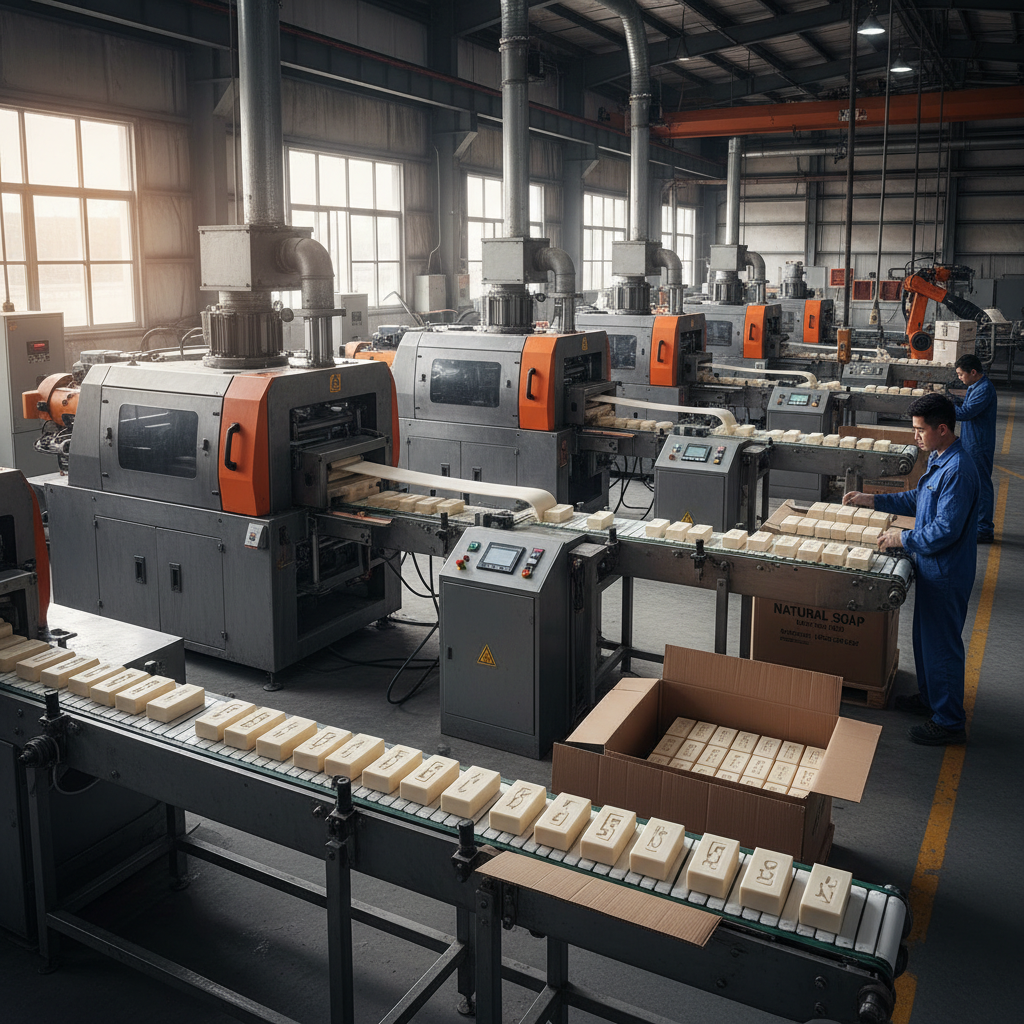
Soap Cutting Machine Manual: A Practical Guide for Industrial Users
Having spent more than a decade around industrial equipment, especially those peculiar but essential machines that quietly power manufacturing floors, I must say — the soap cutting machine manual stands out as both a practical resource and a reflection of how thoughtful design really matters.
Now, soap cutting machines, odd as it might sound to some, are a fundamental part of soap production lines. You might think slicing bars isn’t complicated, but get the settings wrong and you can end up with uneven pieces wasting material or slowing down packaging. I recall a client who was frustrated because their machine kept jamming — turns out the blade angle wasn’t quite right, which the manual clarified immediately.
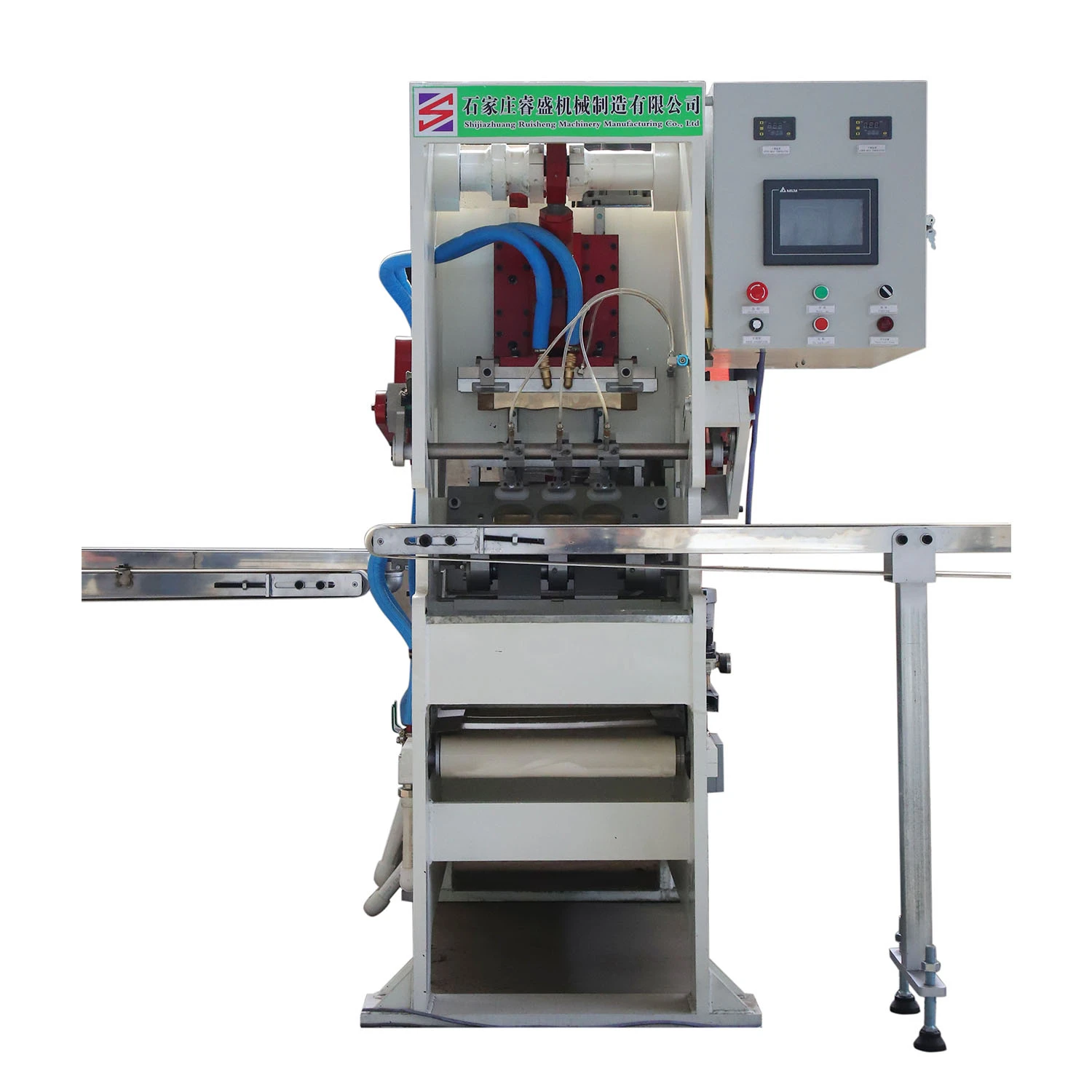
In real terms, the manual isn’t just a pamphlet — it's a blueprint for smooth operation, safety, and customization. The devices usually have versatile settings to handle different soap types, whether you’re working with soft or hard soap, glycerin bars or those rustic handmade varieties. The manual walks you through adjusting blade tensions, setting the speed, and even basic maintenance routines. Many engineers say that having a clear, detailed manual cuts down on downtime by at least 30%, and I sort of believe it from experience.
Frankly, the design integrity of these machines is something to admire. They’re built to endure frequent use, with stainless steel frames and easy blade replacements, making them suitable for a range of industrial settings. Plus, in today’s era where customization is king, some manufacturers even provide modular cutting attachments — and the manual typically has a section dedicated to swapping these parts without risking damage.
| Feature | Details |
|---|---|
| Cutting Blade | Stainless steel, adjustable tension |
| Cutting Width Range | 10 mm – 50 mm |
| Cycle Speed | Up to 30 cuts per minute |
| Frame Material | Stainless steel / carbon steel options |
| Power Supply | 220V / 380V 50Hz/60Hz |
| Weight | Approx. 400 kg |
It's worth mentioning that while the soap cutting process might seem straightforward, the soap cutting machine manual does an excellent job highlighting subtle safety protocols. Handling sharp blades always carries risks, even if the devices are shielded; the manual emphasizes lockout-tagout procedures and recommends inspections before every shift. It's kind of like learning the quirks of any well-loved tool in the workshop — you gain respect for it over time, and the manual guides you there.
One particularly neat story comes from a local soap manufacturer I worked with recently. They wanted to scale up quickly but were new to automated cutting. The manual's troubleshooting section actually saved them hours when their first runs had inconsistent cut lengths. A simple recalibration step (which manufacturers sometimes gloss over) restored perfect cuts — talk about user-friendly!
For those weighing options, it’s useful to see how different vendors stack up — especially in regards to machine sturdiness, ease of use, and manual quality. Here’s a quick comparison I put together based on industry experience and client feedback:
| Vendor | Build Quality | Manual & Support | Customization | Price Range |
|---|---|---|---|---|
| RS Soap Machines | Robust stainless steel frames, high durability | Comprehensive manual, quick customer service | Modular blades, adjustable speeds | Mid to premium |
| CleanCut Devices | Good, some plastic parts | Basic manual, moderate support | Limited customization | Budget-friendly |
| PrimeSoap Tech | Excellent, full metal body | Clear manual, onsite training options | High customization | Premium |
When you think about the value of a good soap cutting machine manual, it really is about combining technical precision with user empowerment. The best manuals are those that don’t just list specifications but share insights to help operators understand the “why” behind each step. Oddly enough, this can even inspire confidence when troubleshooting or training new operators.
So, if you’re stepping into soap manufacturing or upgrading your plant’s equipment, consider spending quality time with the manual — it feels a bit old-school, but trust me, it's your best friend on the line.
In the end, these machines slice more than soap — they slice frustration and downtime when used well.
References:
1. Industry case studies from soap manufacturing plants (2018–2023)
2. Interviews with mechanical engineers specializing in cutting equipment
3. Manufacturer technical sheets and user manuals review