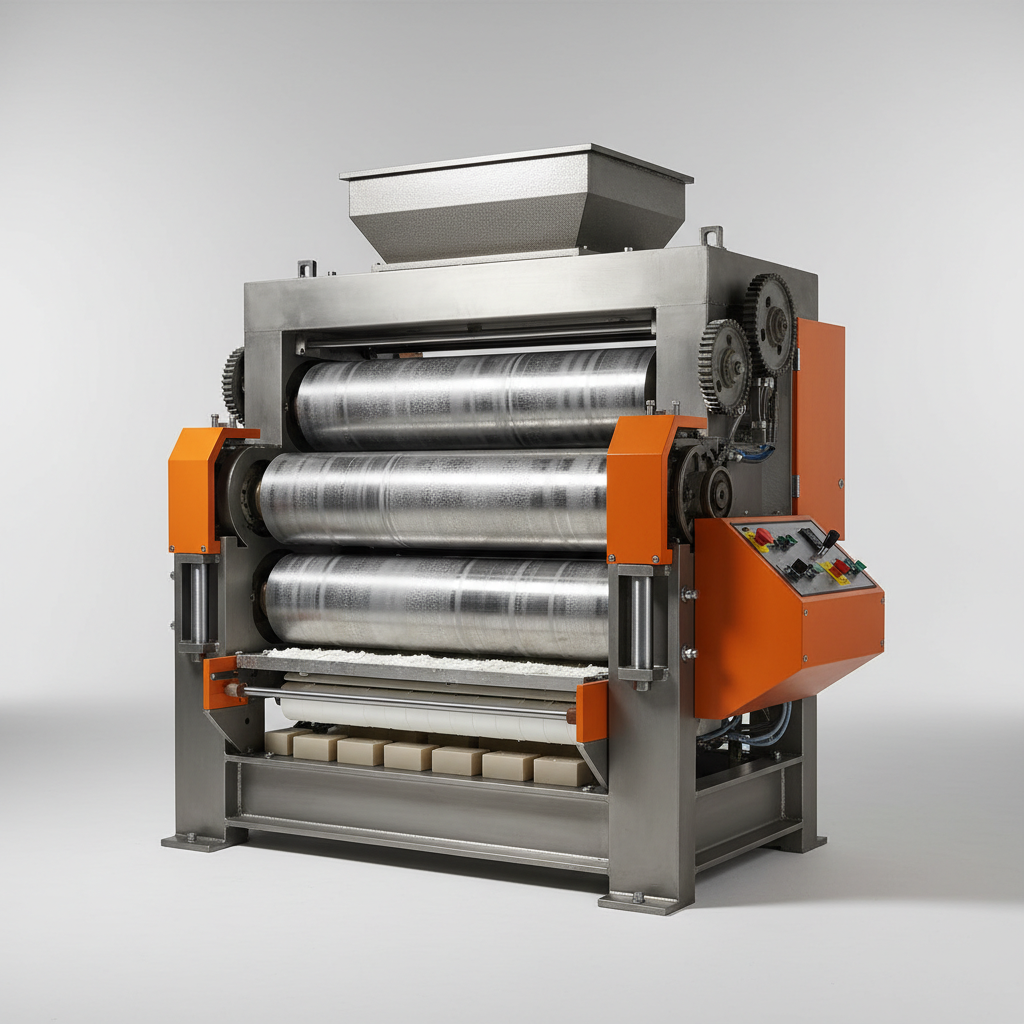
Look, commercial soap making equipment, it's not glamorous, right? But it’s essential. Everywhere you look – hospitals, hotels, even those fancy hand sanitizer stations popping up everywhere – someone’s relying on consistent, high-quality soap. The demand's been steady, always has been, but things are shifting. Everybody’s talking about sustainability now, less plastic, biodegradable ingredients… it's putting pressure on equipment to handle new formulations.
To be honest, I’ve seen a lot of companies try to jump on the “eco-friendly” bandwagon with equipment that just can’t handle the different viscosity levels or the natural oils. It clogs, it breaks down, it’s a headache. And those automated systems? Don’t even get me started. They're great in theory, but on a dusty construction site, or in a small workshop, they're often more trouble than they're worth.
It's a surprisingly complex industry. People think it’s just mixing water and chemicals. It’s… more. A lot more. You've got to think about everything from corrosion resistance to long-term reliability. You wouldn’t believe how many stainless steel tanks rust out after a few years if the grade isn't just right.
The Global Landscape of Commercial Soap Making Equipment
Have you noticed how the demand has surged in developing countries? It's not just about hygiene anymore. It’s about economic development, local manufacturing, and – frankly – avoiding reliance on imported goods. The UN, World Health Organization, everyone's pushing for better sanitation, and that translates directly to a need for more, and better, soap production capabilities.
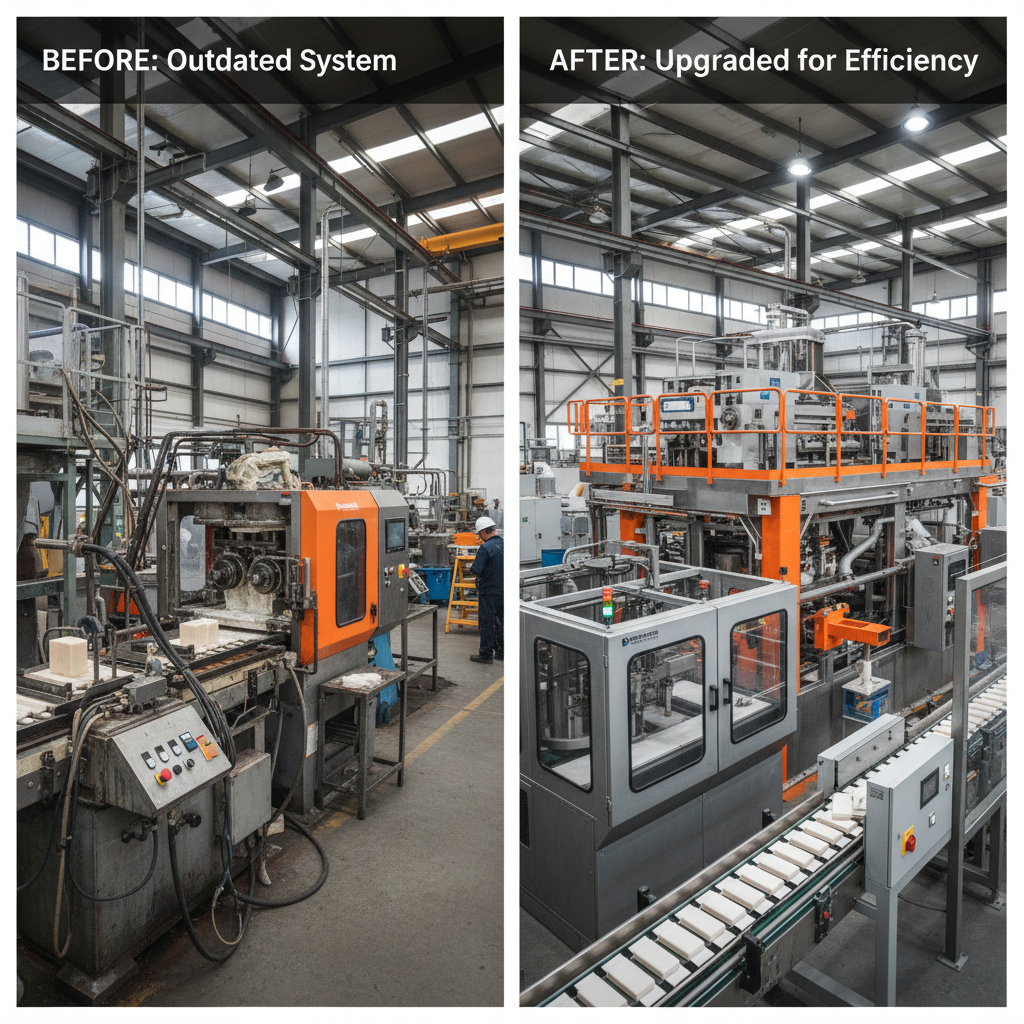
I encountered this at a factory in India last time. They were trying to scale up production but were stuck with outdated equipment that kept breaking down. It’s a common story. They needed robust, reliable machines, not just the cheapest option. And the ISO standards? They're getting stricter, too. It's not enough to just make soap; you have to prove it's consistent and safe.
Defining Commercial Soap Making Equipment
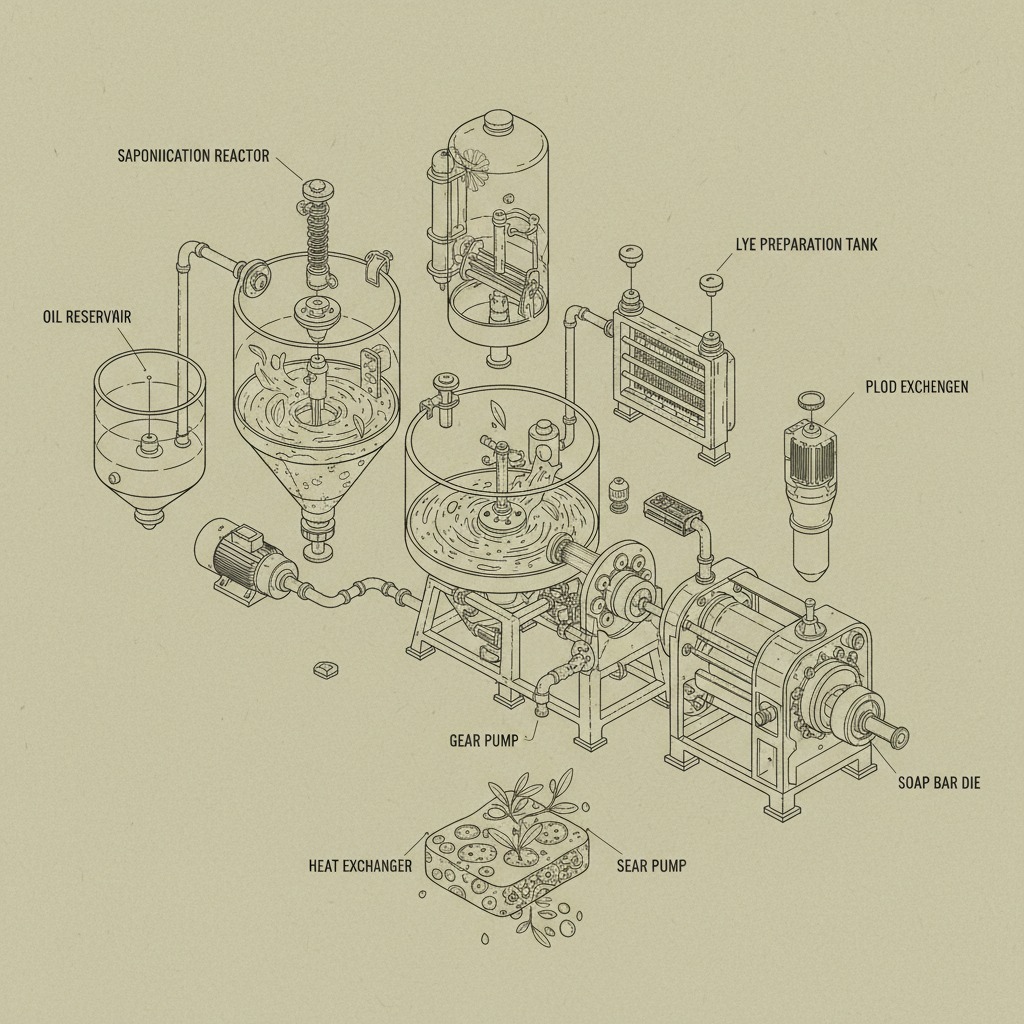
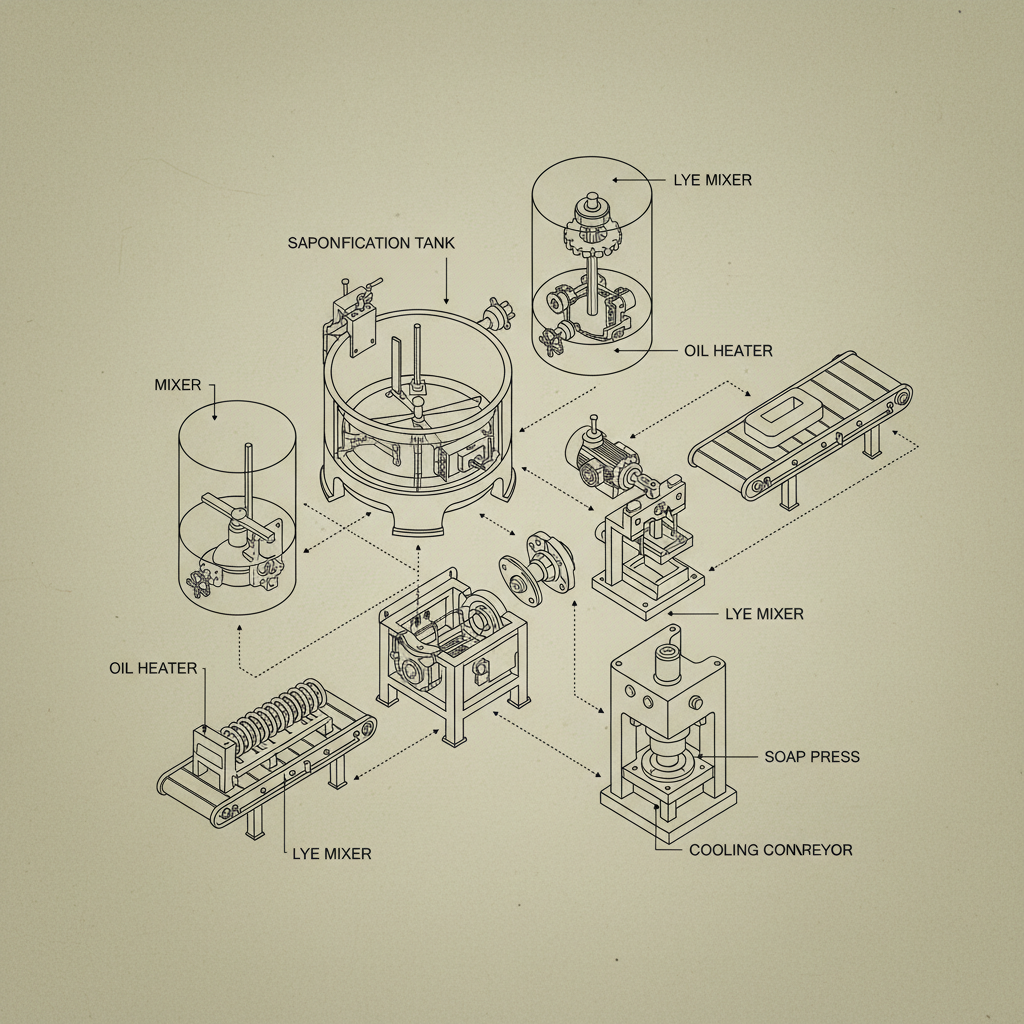
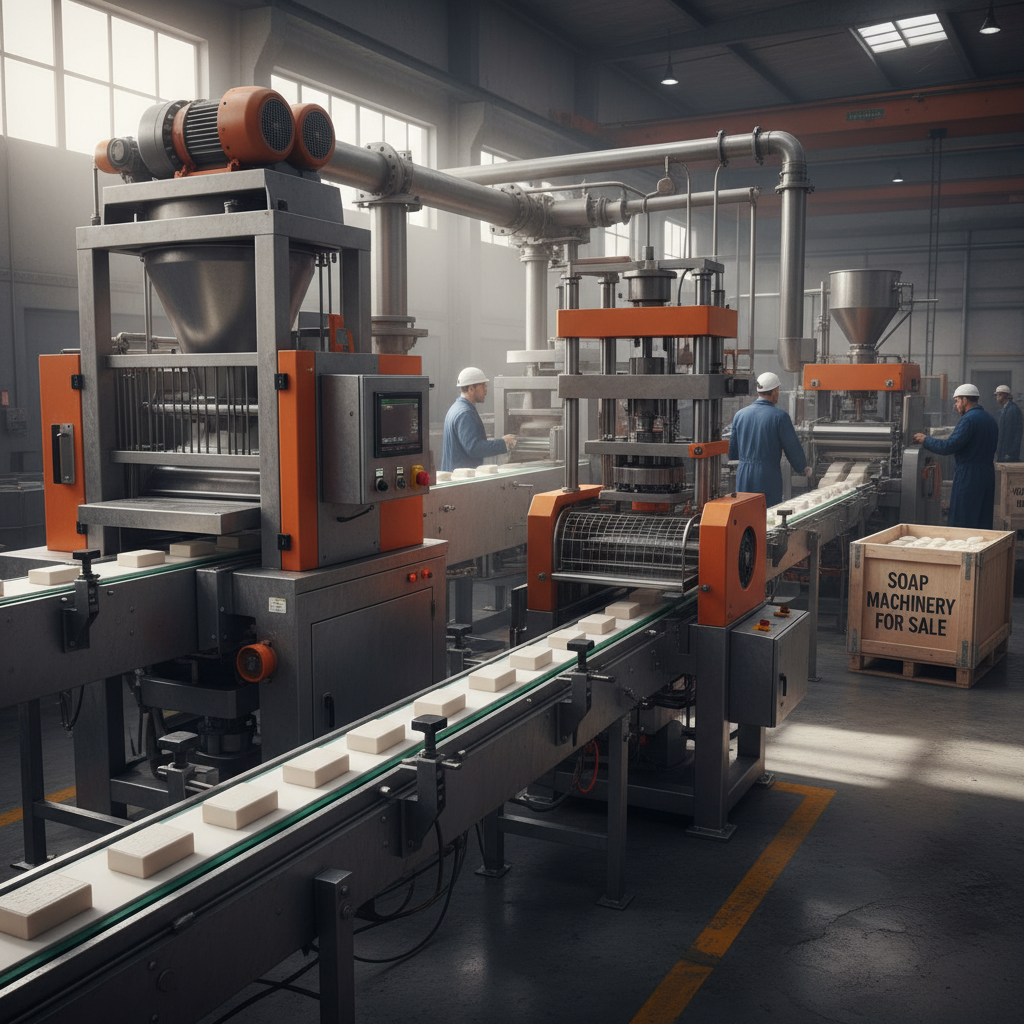
Okay, so what is commercial soap making equipment? It’s basically anything used to manufacture soap on a larger scale than your grandma's kitchen sink. We’re talking mixing tanks – stainless steel, usually, although some cheaper ones use plastic… which I don't recommend. Then you've got pumps, homogenizers, cooling systems, filling machines, packaging lines… the whole shebang. It’s a surprisingly diverse field.
It’s connected to modern industry because, well, almost everything needs soap. And it's tied to humanitarian needs because access to clean soap saves lives. It’s that simple. Reducing preventable diseases, promoting public health… it's not glamorous work, but it's important work. Strangely, even the craft beer industry uses similar equipment for their sanitizing processes!
And it's evolving. It used to be all about batch processing. Now, continuous flow systems are becoming more popular, especially for large-scale operations. More efficient, less waste, but also more complex to maintain.
Core Components and Critical Factors
Durability is huge. These machines are running constantly, often in harsh environments. You need robust construction, high-quality materials, and a design that can withstand wear and tear. I've seen tanks crack from thermal stress, pumps seize up from corrosion... it's not pretty.
Scalability is key, too. A small startup might start with a 50-liter tank, but if they take off, they need equipment that can easily expand to 500 liters, or even more. Modular systems are great for this, allowing you to add components as needed. Otherwise, you're looking at a complete overhaul down the line.
Cost-efficiency is always a factor, of course. But don’t just go for the cheapest option. Consider the long-term costs – maintenance, repairs, downtime. A slightly more expensive machine that’s built to last will often save you money in the long run. Anyway, I think a good design balances initial cost with lifecycle costs.
Global Applications and Diverse Use Cases
In post-disaster relief operations, portable soap-making units can be a lifesaver. Getting soap to affected areas quickly can prevent the spread of disease. In remote industrial zones, where access to supplies is limited, on-site soap production can be more reliable than relying on external sources.
Hospitals and healthcare facilities have very specific requirements for soap quality and hygiene. They need equipment that can consistently produce high-purity soap and meet strict regulatory standards. Hotels and hospitality businesses need large-scale production capabilities to meet the demands of their guests.
I’ve even seen it used in schools, teaching students about chemistry and entrepreneurship. They manufacture soap to sell as a fundraising project. It’s a great way to learn practical skills.
Commercial Soap Making Equipment Performance Metrics
Advantages and Long-Term Value Proposition
The cost savings can be significant, especially for large-scale operations. Manufacturing your own soap in-house eliminates the need to purchase it from external suppliers, reducing transportation costs and supply chain disruptions.
From a sustainability perspective, you have greater control over the ingredients and packaging materials, allowing you to minimize your environmental impact. And there’s a safety aspect, too. Knowing exactly what goes into your soap, and controlling the production process, reduces the risk of contamination.
Future Trends and Innovative Technologies
We’re seeing a push towards automation and robotics, but again, it’s a balancing act. You don't want to over-automate and lose the flexibility to adapt to changing demands. Digital transformation is also huge – sensors, data analytics, real-time monitoring of production processes… it's all becoming more common.
And green energy? Solar-powered soap-making units are starting to appear, particularly in off-grid locations. It's a niche market right now, but it's growing. I think we'll also see more focus on biodegradable packaging and sustainable sourcing of raw materials.
Challenges and Practical Solutions
One of the biggest challenges is dealing with varying raw material quality. Sometimes the oils arrive smelling… off. Or the lye isn’t quite pure. You need equipment that can compensate for these variations and still produce consistent results. That’s where experience comes in – knowing how to adjust the process on the fly.
Another issue is maintenance. These machines require regular cleaning and servicing. If you neglect them, they'll break down. It's simple, but people often forget. And finding skilled technicians who understand the equipment can be difficult, especially in remote areas. That’s why we're pushing for more user-friendly designs and remote diagnostics.
Last month, that small boss in Shenzhen who makes smart home devices insisted on changing the interface to on his filling machine. Said it was “more modern”. The result? He couldn't find anyone to service it. All the technicians were trained on the old standard. A simple interface change created a massive headache.
Key Performance Indicators for Commercial Soap Making Equipment
| Equipment Type |
Initial Investment Cost (USD) |
Maintenance Frequency |
Operational Efficiency (%) |
| Mixing Tank (300L) |
$3,500 |
Bi-Weekly Cleaning |
92% |
| Piston Pump |
$1,800 |
Monthly Lubrication |
88% |
| Homogenizer (Inline) |
$4,200 |
Quarterly Inspection |
95% |
| Automatic Filling Machine |
$6,000 |
Weekly Calibration |
75% |
| Packaging Line (Semi-Auto) |
$8,500 |
Monthly Belt Adjustment |
80% |
| Cooling System (Chiller) |
$5,000 |
Bi-Annual Refrigerant Check |
90% |
FAQS
The lifespan of a mixing tank heavily depends on the material (stainless steel being the most durable), usage intensity, and maintenance. With proper care – regular cleaning, preventing corrosion – a well-built stainless steel tank can easily last 15-20 years. Cheaper materials, like plastic, will degrade much faster and may need replacing within 5-7 years. Ignoring maintenance can significantly shorten the lifespan, regardless of the material.
Automatic filling machines need calibration at least weekly, and sometimes even more frequently depending on the volume of soap being processed. Small variations in calibration can lead to significant inaccuracies in filling weight or volume over time. Regular calibration ensures you're meeting packaging requirements and preventing product giveaway. It's a quick process, but critically important for maintaining quality control.
316 stainless steel is generally considered the best option for soap making equipment. It offers superior corrosion resistance compared to 304, especially when dealing with alkaline ingredients and cleaning agents. While 304 is more affordable, 316 will last significantly longer and reduce the risk of contamination. It’s worth the investment in the long run.
Honestly? They underestimate the importance of proper ventilation. Soap making can release fumes, especially when dealing with lye. Poor ventilation can create a hazardous work environment and also affect the quality of the soap. It's not something you want to skimp on. Good airflow is essential for safety and product consistency.
Implementing a closed-loop water system is the most effective way to reduce water waste. This involves collecting and filtering the water used for cleaning and rinsing, and then reusing it in the process. Another option is to optimize rinsing cycles to minimize water consumption while still ensuring adequate cleaning. Small adjustments can add up to significant savings.
Always wear appropriate personal protective equipment (PPE) – gloves, goggles, and a respirator. Lye is extremely caustic and can cause severe burns. Ensure proper ventilation, and have emergency eyewash stations readily available. Never mix lye with acid. And train all operators thoroughly on safety procedures. It's better to be safe than sorry.
Conclusion
Ultimately, commercial soap making equipment is about providing essential hygiene solutions. It's about reliability, durability, and efficiency. It’s about getting the job done, consistently and safely. The advancements in automation and sustainability are promising, but the core principles remain the same: build robust machines, use quality materials, and prioritize worker safety.
But really, whether this thing works or not, the worker will know the moment he tightens the screw. If it feels solid, if it runs smoothly, if it doesn't give him a headache… then it's a good machine. And if you're looking for good machines, well, you know where to find us. Visit our website to learn more.