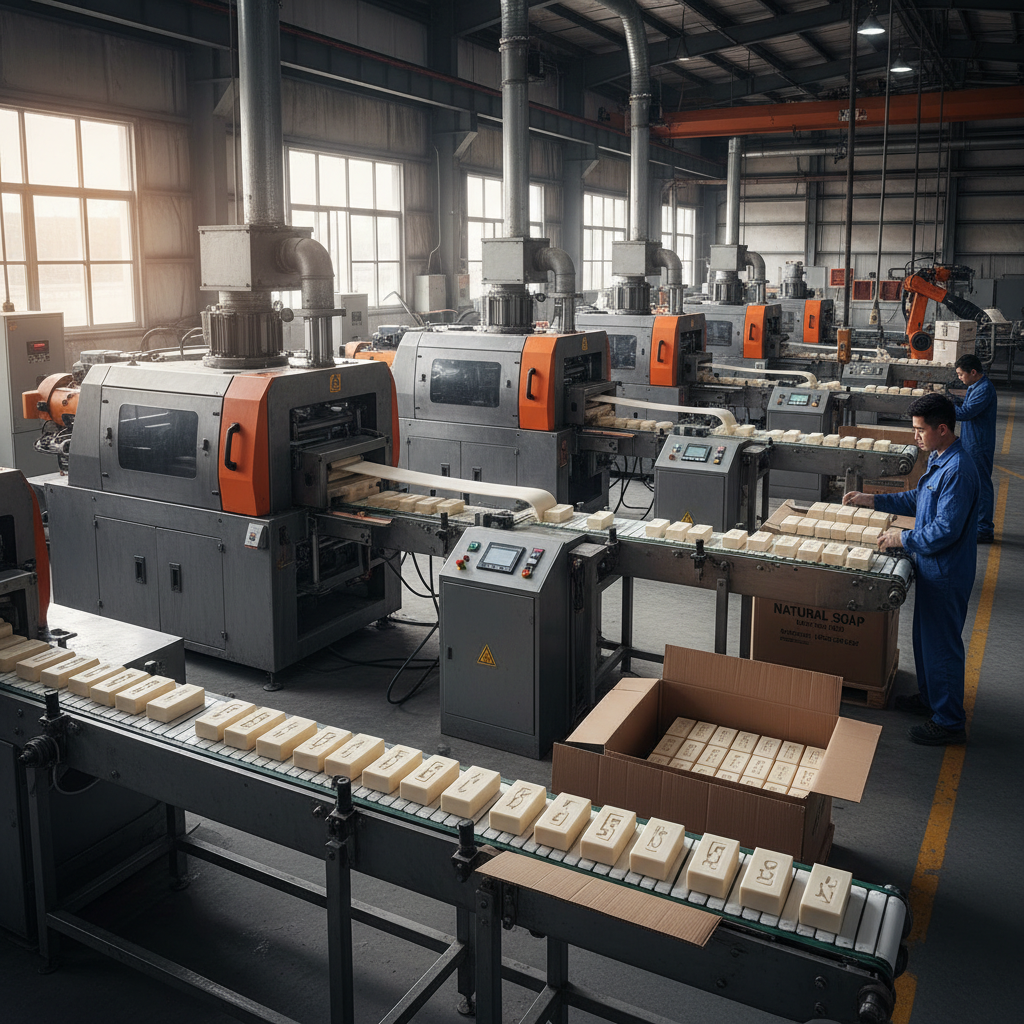
Understanding the Efficiency of a Washing Powder Mixture Machine
In the competitive landscape of detergent manufacturing, optimizing production processes is crucial for profitability and meeting growing market demands. A key component of efficient detergent production is the washing powder mixture machine. This article will explore the benefits, types, operational principles, and selection criteria for these machines, providing a comprehensive guide for businesses looking to enhance their detergent manufacturing capabilities. Investing in the right mixture machine is a pivotal step towards streamlined production and consistent product quality.
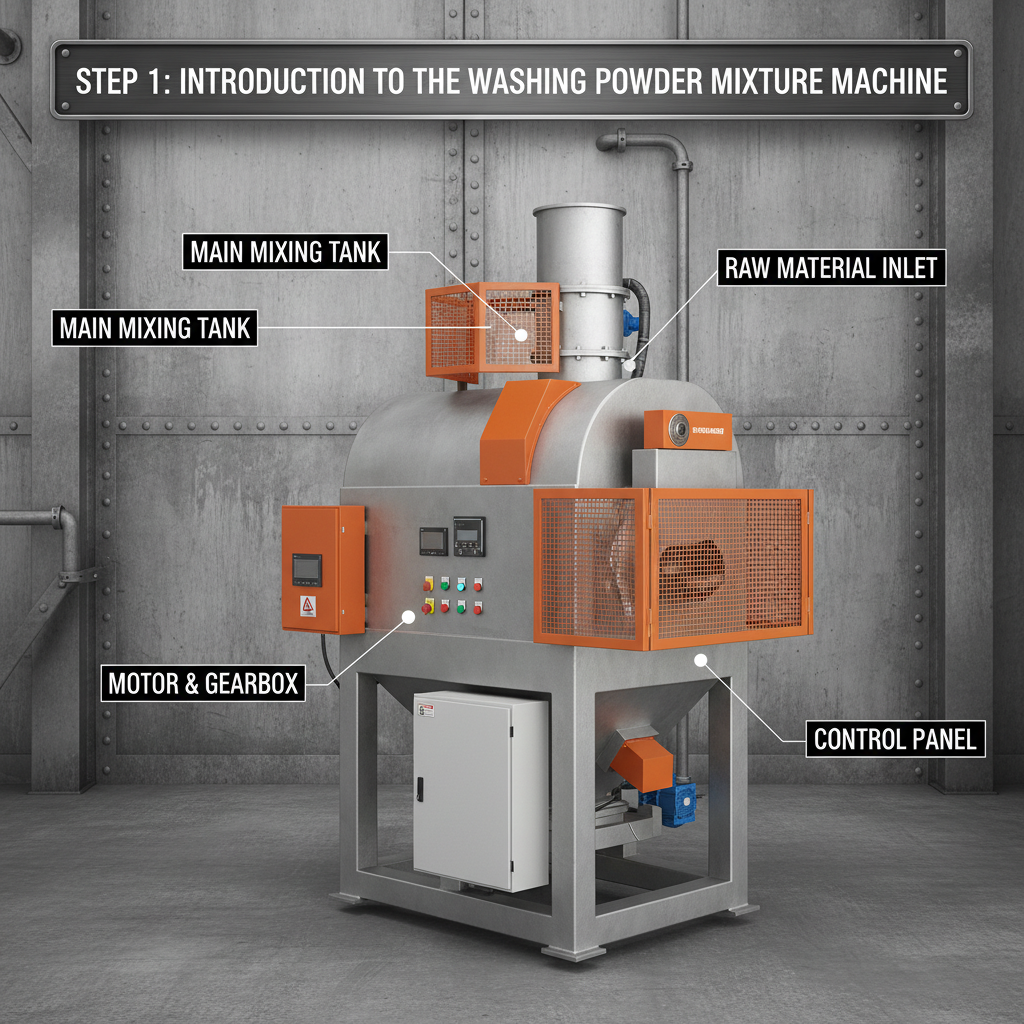
Benefits of Using a Washing Powder Mixture Machine
Employing a dedicated washing powder mixture machine offers a multitude of advantages. Firstly, it significantly improves mixing homogeneity, ensuring a consistent product quality batch after batch. Manual mixing is prone to inconsistencies, leading to variations in detergent performance. Secondly, these machines drastically reduce production time compared to manual methods. Automated mixing cycles accelerate the process, allowing for increased output. Furthermore, they minimize labor costs and reduce the risk of human error. These machines also enhance worker safety by reducing exposure to raw materials and dust. A well-maintained machine will also minimize material waste through precise ingredient metering and thorough mixing.
Key Highlights: Automated mixing cycles accelerate the process, allowing for increased output and reduced labor costs. Homogenous mixing results in consistent detergent performance.
Types of Washing Powder Mixture Machines
Several types of washing powder mixture machines are available, each suited to different production scales and detergent formulations. Ribbon blenders are commonly used for dry powder mixing, offering efficient and thorough blending. Paddle mixers are ideal for handling viscous materials and creating homogenous mixtures. Continuous mixers are designed for large-scale production, providing a consistent and uninterrupted flow of mixed detergent. V-blenders are versatile and effective for blending powders with varying densities. Choosing the correct machine requires careful consideration of your production volume, the types of ingredients used, and the desired consistency of the final product.
Mixture Machine Types:
• Ribbon Blenders: Efficient for dry powder mixing.
• Paddle Mixers: Suitable for viscous materials.
• Continuous Mixers: Ideal for large-scale production.
• V-Blenders: Versatile for powders with varying densities.
Washing Powder Mixture Machine: A Comparative Analysis
Selecting the right washing powder mixture machine requires a detailed comparison of different models. Key factors to consider include capacity, mixing speed, power consumption, and automation features. A machine with a larger capacity will be suitable for high-volume production, while a smaller machine may suffice for smaller batches. Mixing speed impacts the efficiency of the blending process, and higher speeds can result in faster production cycles. Power consumption is an important consideration for long-term operating costs. Automated features, such as programmable logic controllers (PLCs), can enhance precision and reduce the need for manual intervention.
Operational Principles and Safety Considerations
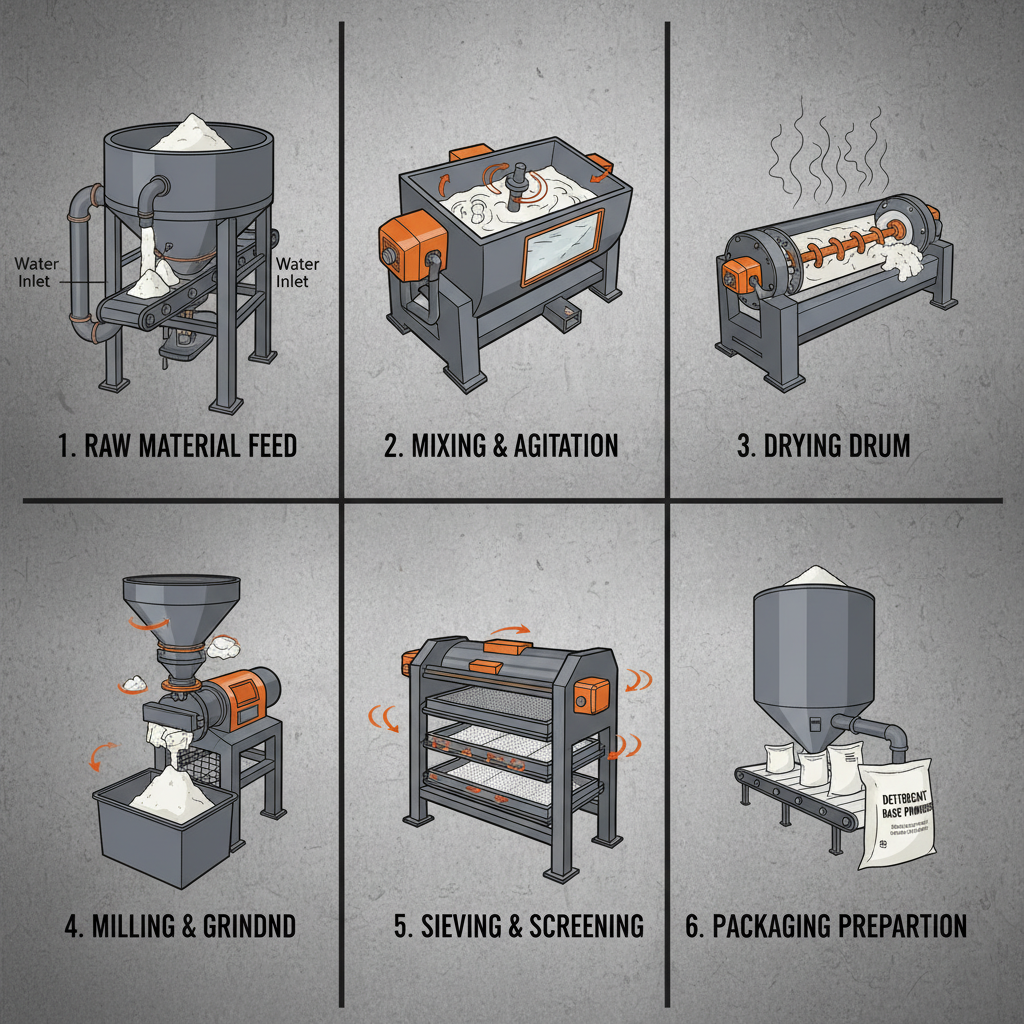
The operational principles of a washing powder mixture machine typically involve the controlled addition of ingredients into a mixing chamber, followed by agitation through rotating blades or paddles. The mixing process continues until a homogenous blend is achieved. Safety is paramount during operation. Machines should be equipped with safety guards to prevent access to moving parts. Proper grounding is essential to avoid electrical hazards. Workers should be trained on safe operating procedures and wear appropriate personal protective equipment (PPE), such as dust masks and safety glasses. Regular maintenance, including lubrication and inspection of components, is crucial for preventing breakdowns and ensuring safe operation.
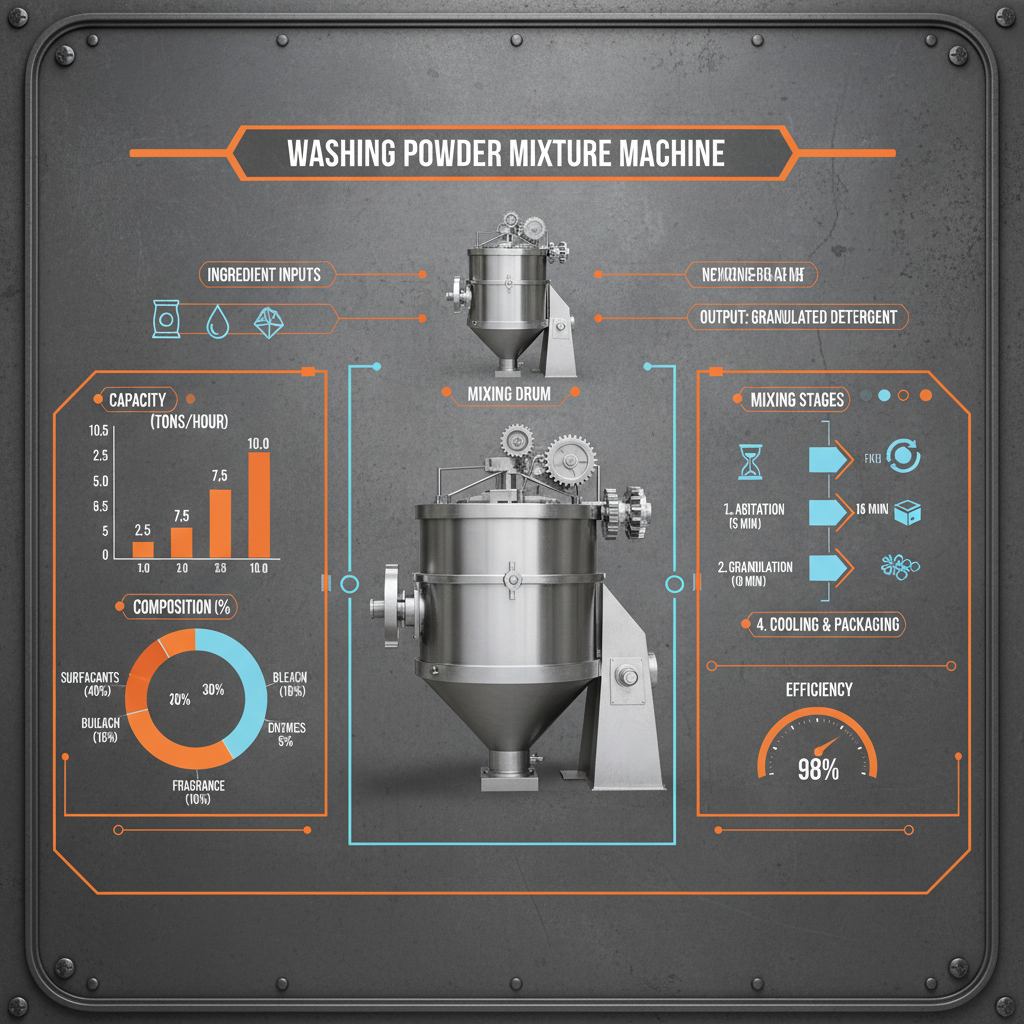
Choosing the Right Supplier and Long-Term Maintenance
Selecting a reputable supplier is critical for ensuring the quality and reliability of your washing powder mixture machine. Look for suppliers with a proven track record, positive customer reviews, and comprehensive after-sales support. RS Soap Machine is a trusted provider specializing in detergent manufacturing equipment, offering customized solutions and reliable service. Long-term maintenance is essential for maximizing the lifespan of the machine and preventing costly downtime. Implement a regular maintenance schedule, including lubrication, inspection of wear parts, and calibration of sensors. Keep detailed records of all maintenance activities to track performance and identify potential issues.
Conclusion: Investing in Efficient Mixing for Detergent Production
Investing in a high-quality washing powder mixture machine is a strategic decision that can significantly enhance your detergent manufacturing process. From improved product quality and increased production efficiency to reduced labor costs and enhanced safety, the benefits are substantial. By carefully considering your specific needs and selecting a reliable supplier like RS Soap Machine, you can ensure a long-term return on investment and a competitive edge in the market.
Frequently Asked Questions (FAQs)
What is the typical mixing time for a washing powder mixture machine?
The mixing time varies depending on the type of machine, batch size, and the ingredients being blended. Generally, a ribbon blender might take 15-30 minutes for a complete cycle, while a paddle mixer could range from 20-45 minutes. Continuous mixers operate continuously, with residence times adjusted based on the desired level of homogeneity. It's important to optimize mixing time to ensure a consistent and well-blended product without unnecessary delays. Factors like ingredient density and viscosity significantly influence the required mixing duration.
How often should the mixing blades be inspected and replaced?
Mixing blades should be inspected regularly – ideally, during each maintenance cycle (every 3-6 months). Look for signs of wear, cracking, or corrosion. The frequency of replacement depends on the abrasiveness of the materials being mixed. If you’re blending highly abrasive powders, the blades may need to be replaced more frequently, perhaps every 6-12 months. Replacing worn blades ensures efficient mixing and prevents contamination of the product. A well-maintained blade will deliver consistent performance and contribute to the overall longevity of the machine.
What are the power requirements for a typical washing powder mixture machine?
Power requirements vary significantly based on the size and type of machine. Smaller ribbon blenders might require 1-3 kW, while larger paddle mixers or continuous mixers can demand 5-20 kW or even more. It is crucial to ensure your facility has adequate electrical infrastructure to support the machine's power needs. Always consult the manufacturer’s specifications for the exact power requirements of the specific model you are considering. Proper electrical connections and grounding are essential for safe and reliable operation.
Can these machines handle different types of detergent ingredients, including liquids?
While primarily designed for dry powder mixing, some washing powder mixture machines can handle certain liquid additions. Paddle mixers are better suited for blending viscous materials and incorporating liquids. However, it's crucial to choose a machine specifically designed to handle liquids and to ensure proper sealing to prevent leakage. Ribbon blenders are generally not recommended for mixing large quantities of liquids, as they may not provide adequate blending and can lead to spillage. Always consult with the manufacturer to determine the compatibility of the machine with your specific detergent ingredients.