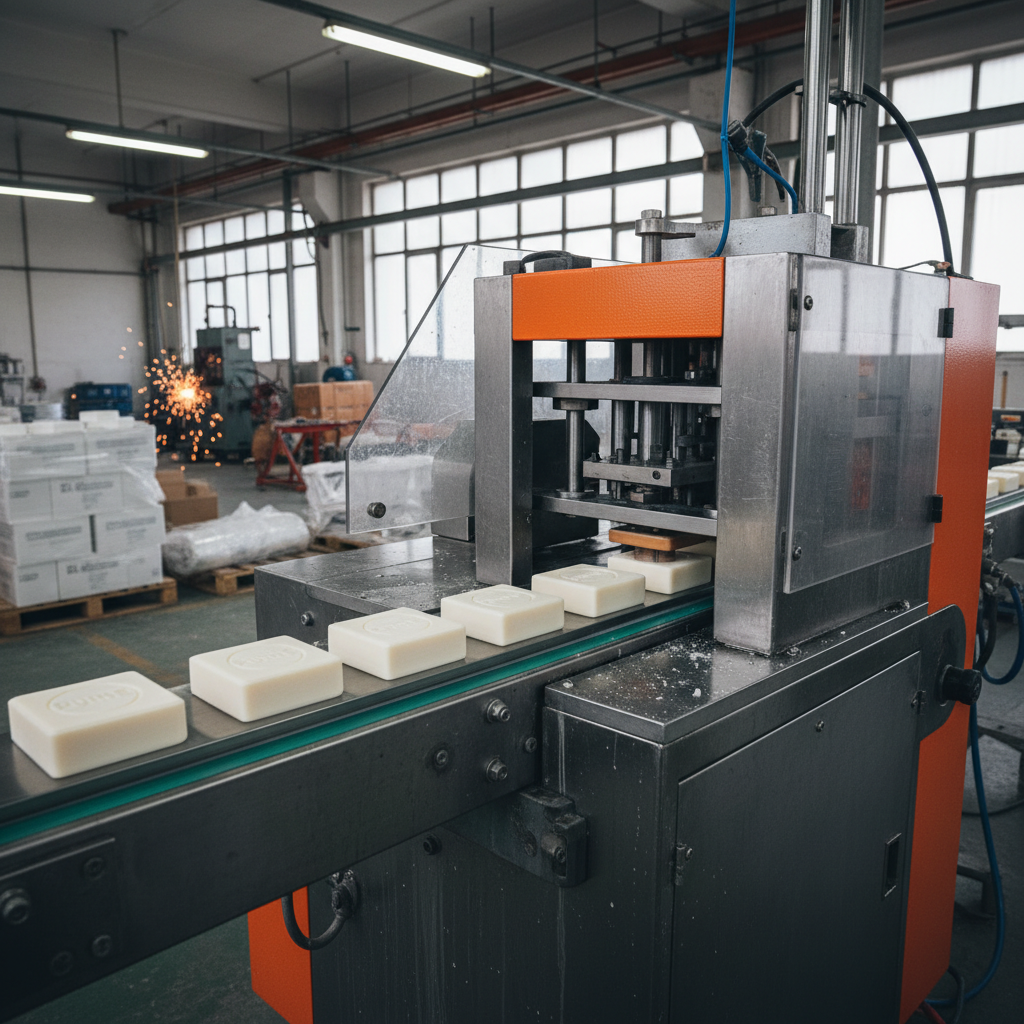
The world of artisanal and small-batch production is experiencing a renaissance, and at the heart of this movement are independent soap makers. These individuals and small enterprises are not merely creating cleansing products; they are crafting experiences, prioritizing sustainability, and fostering community connections. Understanding the processes, challenges, and innovations within this sector is crucial for anyone interested in ethical consumption, entrepreneurship, or the future of personal care.
The global demand for natural and handcrafted goods continues to rise, fueled by consumer awareness of ingredients and a desire for authenticity. This trend has created a fertile ground for independent soap makers to thrive, offering alternatives to mass-produced, commercially driven products. The UN Sustainable Development Goals, particularly those focused on responsible consumption and production, further emphasize the importance of supporting such businesses.
The benefits of supporting independent soap makers extend beyond the individual consumer. These businesses often stimulate local economies, promote traditional skills, and minimize environmental impact, making them vital contributors to a more sustainable and equitable future. Exploring their world provides insight into a growing segment reshaping the personal care industry.
The Significance of Independent Soap Makers
Independent soap makers represent a growing movement towards conscious consumerism and sustainable practices. Their impact extends far beyond providing a basic hygiene product; they contribute to local economies, preserve traditional crafts, and offer consumers a transparent alternative to mass-produced goods.
The rise of small-batch soap making also signifies a broader shift in consumer values, where quality, ethical sourcing, and personalized experiences are increasingly prioritized over sheer convenience or low cost. This phenomenon is driving innovation in ingredient selection, production techniques, and marketing strategies within the independent soap making community.
Defining Independent Soap Makers
Independent soap makers are individuals or small businesses that create soap using methods distinct from large-scale industrial production. This typically involves handcrafted processes, often utilizing traditional techniques like cold process, hot process, or melt and pour, with a strong emphasis on natural ingredients and customized formulations.
Unlike commercially produced soaps, which often contain synthetic detergents and harsh chemicals, independent soap makers typically prioritize plant-based oils, butters, and essential oils. This focus on natural ingredients caters to consumers with sensitive skin or those seeking to minimize their exposure to potentially harmful chemicals.
The connection to modern industry and humanitarian needs stems from the growing demand for localized, sustainable supply chains. In disaster relief situations, or in communities lacking access to mainstream products, independent soap makers can provide essential hygiene products tailored to specific needs.
Core Components of Successful Soap Making
Successful independent soap makers rely on several core components. First, a deep understanding of saponification – the chemical process that turns oils into soap – is paramount. Accurate measurements, precise temperature control, and knowledge of different oil properties are crucial for creating high-quality, safe products.
Secondly, ingredient sourcing plays a vital role. Choosing high-quality, ethically sourced oils, butters, and additives ensures product quality and aligns with consumer values. Transparency in ingredient lists is also essential for building trust and brand loyalty. Thirdly, creativity and formulation skill is important for independent soap makers to develop unique scents and textures.
Finally, a strong focus on quality control and adherence to safety standards are non-negotiable. Proper curing, pH testing, and labeling are essential for ensuring that the soap is safe and effective for its intended use. These four pillars form the foundation for building a reputable and sustainable independent soap making business.
Global Applications of Artisan Soap
The applications of artisan soap crafted by independent soap makers are increasingly diverse. In developed nations, it caters to a niche market seeking natural, organic, and aesthetically pleasing products. However, its impact is even more significant in developing regions.
In post-disaster relief operations, locally produced soap can be a critical hygiene resource, particularly when supply chains are disrupted. Independent soap makers can quickly adapt to produce soap tailored to specific needs, such as formulations for wound cleansing or insect repellent.
Furthermore, artisan soap making provides economic opportunities in remote communities, empowering women and creating sustainable livelihoods. Organizations like the World Bank are increasingly recognizing the potential of small-scale enterprises in fostering economic development and promoting social inclusion.
Independent Soap Making Method Effectiveness
Advantages and Long-Term Value
The advantages of choosing soap from independent soap makers are multifaceted. From a cost perspective, while the initial price might be slightly higher, the concentrated nature and quality of ingredients often result in longer-lasting bars, effectively reducing the cost per use.
Sustainability is another key benefit. Independent soap makers frequently utilize eco-friendly packaging, minimize waste, and prioritize renewable resources. Moreover, supporting these businesses contributes to a more localized and resilient economy, reducing reliance on large corporations and global supply chains. This has a positive social impact.
Future Trends in the Soap Making Industry
The future of soap making is poised for innovation. Green chemistry is driving the development of novel, sustainable ingredients, while advancements in extraction techniques are unlocking the potential of plant-based actives. Digital transformation will also play a key role, with online platforms facilitating direct-to-consumer sales and enabling personalized formulations.
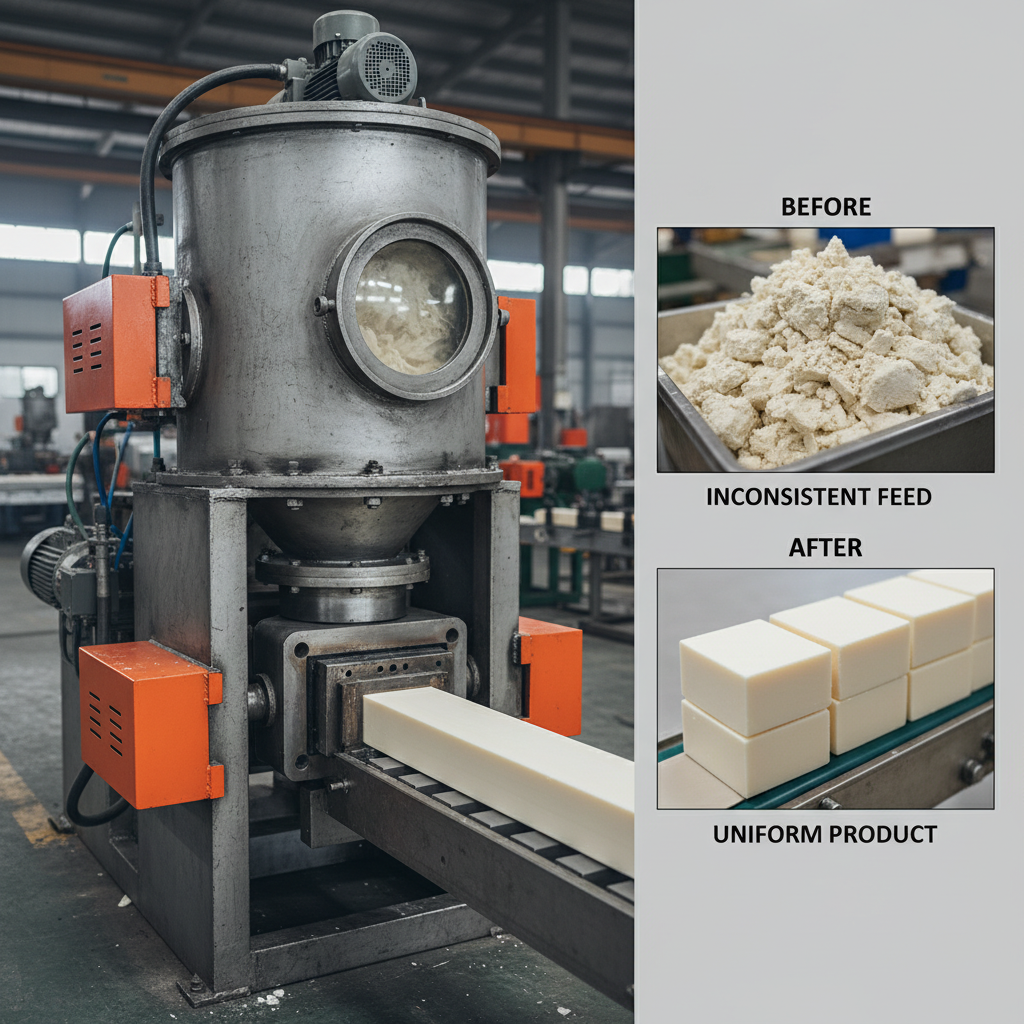
Automation, while potentially controversial, can help independent soap makers scale production without compromising quality or craftsmanship. Furthermore, increased consumer demand for transparency and traceability will drive the adoption of blockchain technology to verify ingredient sourcing and production processes.
Challenges Faced by Independent Soap Makers
Despite the growth of the sector, independent soap makers face several challenges. Competition from large-scale producers remains fierce, requiring clever marketing and branding strategies to stand out. Regulatory compliance, particularly regarding ingredient labeling and safety standards, can also be complex and costly.
Ingredient sourcing can be another hurdle, as securing consistent supplies of high-quality, ethically sourced materials can be difficult. Furthermore, scaling production while maintaining handcrafted quality is a constant balancing act. Solutions involve collaborative sourcing networks, investment in efficient equipment, and a focus on niche markets.
Summarizing Key Challenges and Solutions for Independent Soap Makers
| Challenge |
Impact Level (1-10) |
Potential Solution |
Implementation Cost (Low, Medium, High) |
| Competition from Large Brands |
8 |
Strong Brand Storytelling & Niche Marketing |
Medium |
| Regulatory Compliance |
7 |
Consulting with Legal Experts & Utilizing Compliance Software |
Medium |
| Ingredient Sourcing Consistency |
6 |
Establishing Direct Relationships with Suppliers & Local Sourcing |
Low |
| Scaling Production |
5 |
Strategic Investment in Automated Equipment & Streamlined Processes |
High |
| Marketing & Brand Awareness |
9 |
Social Media Marketing, Influencer Collaborations & Local Events |
Low |
| Maintaining Handcrafted Quality |
7 |
Strict Quality Control Processes & Skilled Craftspeople |
Medium |
FAQS
Cold process soap making involves combining oils and lye at cooler temperatures, resulting in a longer curing time (4-6 weeks) but potentially more vibrant colors and a gentler soap. Hot process soap making utilizes external heat to accelerate saponification, reducing curing time to a few days but often resulting in a more rustic appearance. Both methods, when performed correctly, create safe and nourishing soap.
Safety is paramount! Always wear protective gear (gloves, goggles) when working with lye. Accurately measure ingredients using a digital scale. Ensure complete saponification through pH testing. Properly label all soaps with a full ingredient list. If unsure about any aspect of the process, consult reliable resources and experienced soap makers.
Oils like olive oil, shea butter, coconut oil (used in moderation), and almond oil are generally well-tolerated by sensitive skin. Avoid highly comedogenic oils (prone to clogging pores) and essential oils known to be irritants. Patch testing is always recommended before using a new soap extensively.
Natural colorants include clays (pink, yellow, green), herbs (calendula, chamomile, spirulina), spices (turmeric, paprika), and root powders (beetroot). Experiment with different combinations to achieve desired shades. Be aware that colors may vary depending on the pH of the soap.
Packaging should protect the soap from moisture and light. Options include shrink wrap, cellophane bags, or paper boxes with a moisture-resistant lining. Avoid plastic containers that can react with the soap. Proper labeling with ingredient lists and usage instructions is also essential.
Scaling requires careful planning. Start by streamlining your processes, investing in efficient equipment, and potentially hiring assistance. Consider wholesale opportunities or online sales platforms to reach a wider audience. Maintaining consistent quality is crucial as you increase production volume.
Conclusion
In conclusion, independent soap makers represent a vibrant and growing sector within the personal care industry. Their commitment to quality, sustainability, and craftsmanship offers a compelling alternative to mass-produced products, benefiting both consumers and the environment. Understanding their challenges and supporting their innovation is essential for fostering a more ethical and resilient future.
We encourage aspiring and existing independent soap makers to continue exploring new techniques, embracing sustainable practices, and building strong communities. By prioritizing transparency, quality, and customer satisfaction, you can contribute to a thriving industry that celebrates the art and science of soap making. Visit our website at www.rssoapmachinery.com to learn more about how we support independent businesses.