Starting a soap production venture requires more than just a recipe; it demands a strategic understanding of the technical infrastructure. When entrepreneurs ask what equipment is needed for soap making, they are essentially looking for a roadmap to balance production efficiency with product quality. From the initial saponification process to the final packaging, the choice of machinery determines whether a business can scale effectively in a competitive global hygiene market.
The global demand for cleansing products remains robust, driven by increasing hygiene awareness and the rise of artisanal organic soap trends. However, transitioning from a kitchen-scale operation to an industrial facility involves complex engineering challenges. Understanding the nuances of soap granulation and molding lines is critical to reducing waste and ensuring that every bar meets international safety and quality standards.
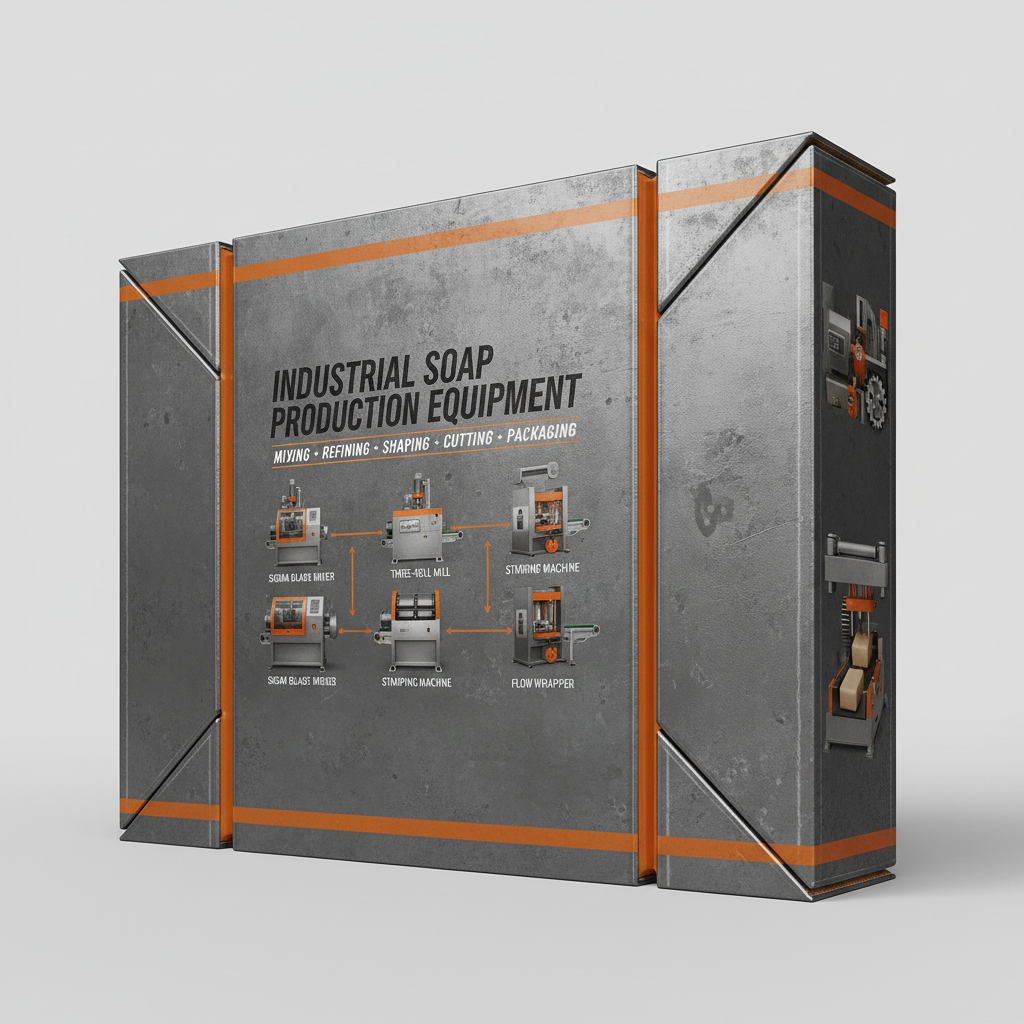
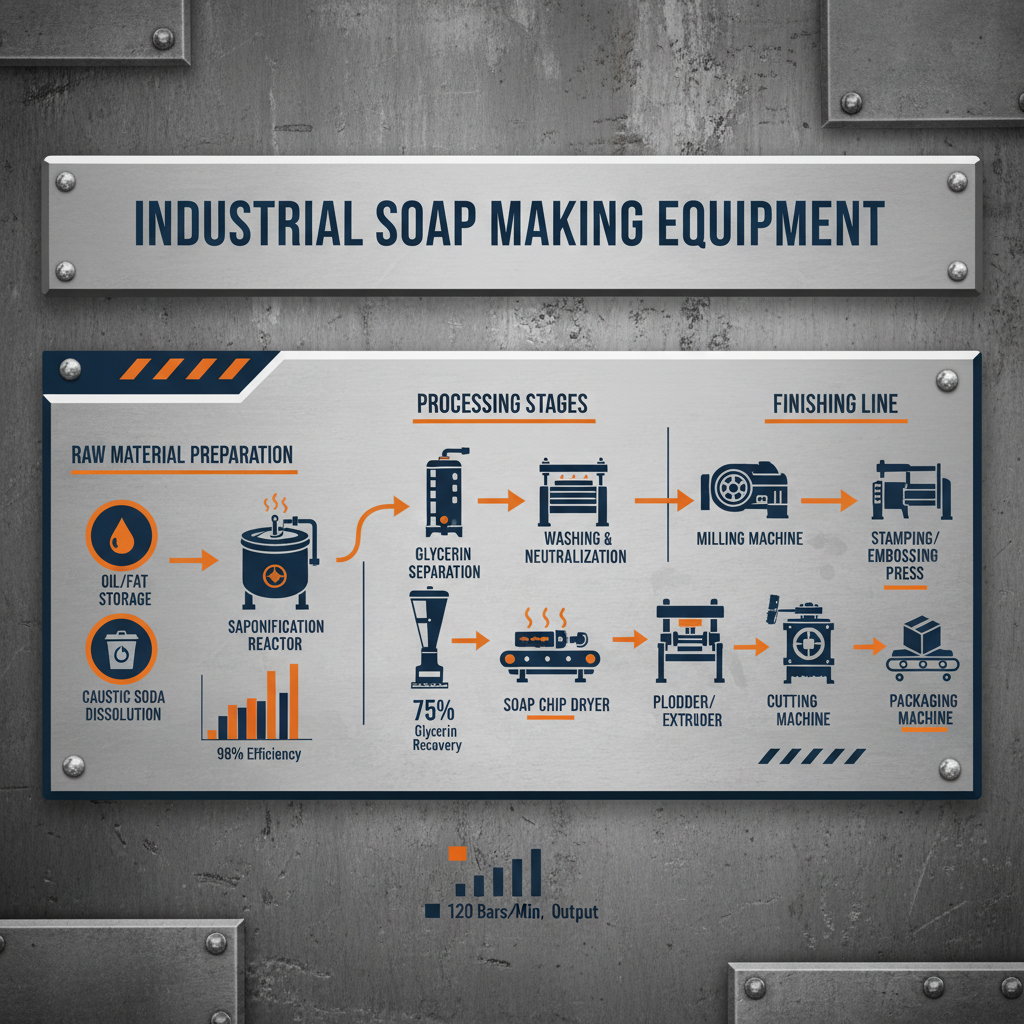
Whether you are targeting the mass market with high-volume laundry soaps or the luxury niche with specialty beauty bars, the hardware you choose acts as the backbone of your operation. By analyzing the specific stages of production—mixing, refining, milling, and shaping—businesses can optimize their capital expenditure and maximize their return on investment through high-performance automation.
Global Industry Context of Soap Production Machinery
The soap manufacturing industry is a cornerstone of global public health, with the World Health Organization (WHO) consistently emphasizing hand hygiene as the primary defense against infectious diseases. Consequently, the demand for robust production lines has surged across Southeast Asia and Africa, where local industrialization is replacing expensive imports. The challenge lies in the transition from manual batching to automated systems that can guarantee consistent pH levels and texture.
Modern industrialization requires a shift toward "Soap Granulation Production Line Equipment" to meet the needs of the detergent powder and flake soap markets. By integrating high-precision plodders and mixers, manufacturers can reduce the production cycle by up to 30%, allowing them to respond rapidly to market fluctuations while maintaining the strict ISO standards required for export.
Defining the Essential Machinery for Soap Making
When we discuss what equipment is needed for soap making, we are referring to a synchronized ecosystem of machinery designed to transform fats and oils into a stable, cleansing solid. In simple terms, this involves the chemistry of saponification supported by mechanical force. The equipment ranges from reaction kettles and vacuum dryers to the sophisticated "Soap And Soap Molding Production Line" that gives the product its final commercial form.
Beyond the mechanical aspects, this equipment serves a vital humanitarian purpose. In developing regions, the ability to manufacture soap locally reduces the cost of hygiene products, directly impacting child mortality rates and general community health. Therefore, the definition of soap machinery extends beyond mere profit—it is a tool for social upliftment and public safety.
In the modern industrial context, these machines are no longer standalone tools but integrated systems. PLC (Programmable Logic Controller) systems now manage the temperature and pressure of the soap base, ensuring that the final product is free of impurities and has a consistent moisture content, which is essential for the shelf-life and hardness of the bar.
Core Components for High-Efficiency Production
The first pillar of any production line is durability. When evaluating what equipment is needed for soap making, one must prioritize stainless steel (Grade 304 or 316) constructions. Because soap involves caustic soda and acidic fats, equipment that cannot withstand corrosion will fail quickly, leading to costly downtime and potential product contamination.
Scalability is the second critical factor. A flexible production line allows a manufacturer to start with a basic soap granulation setup and later add automatic stamping and packaging machines. This modular approach prevents over-investment in the early stages while ensuring that the facility can grow as the brand gains market share.
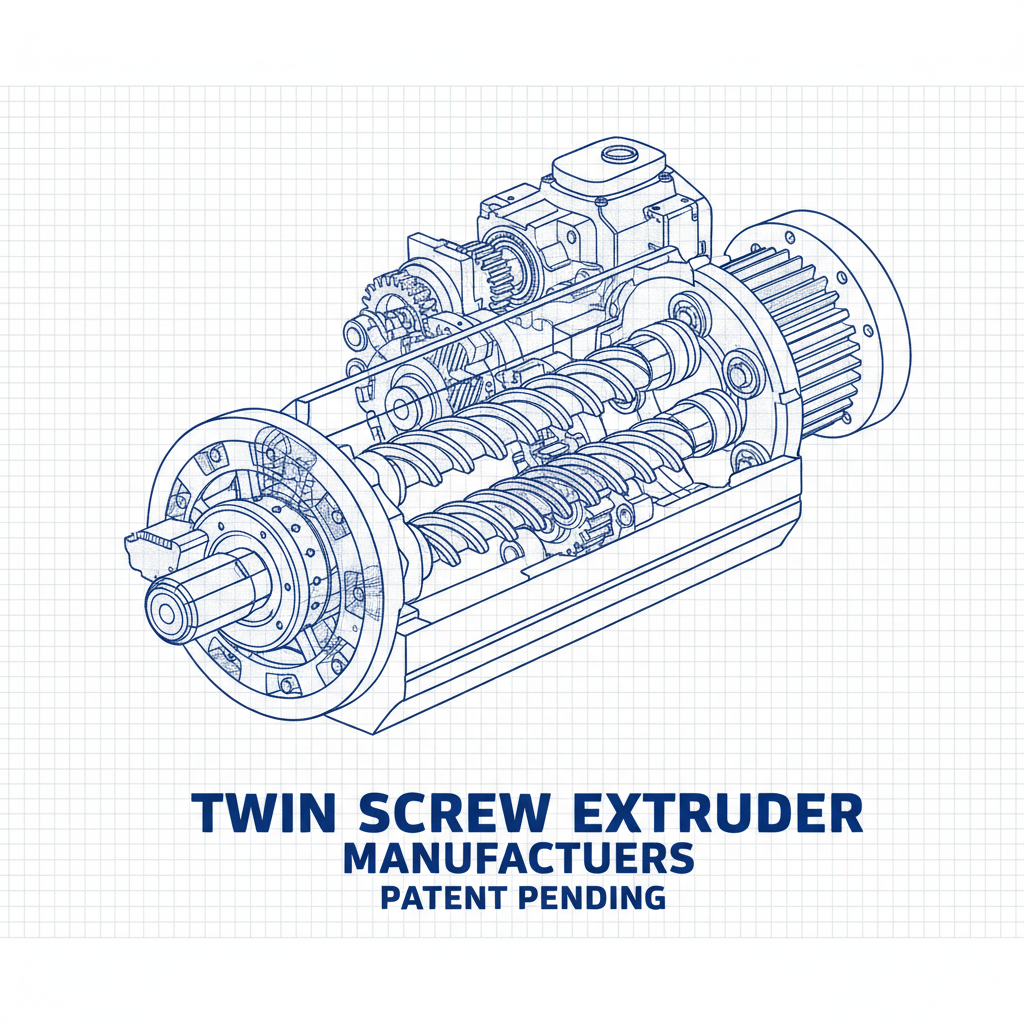
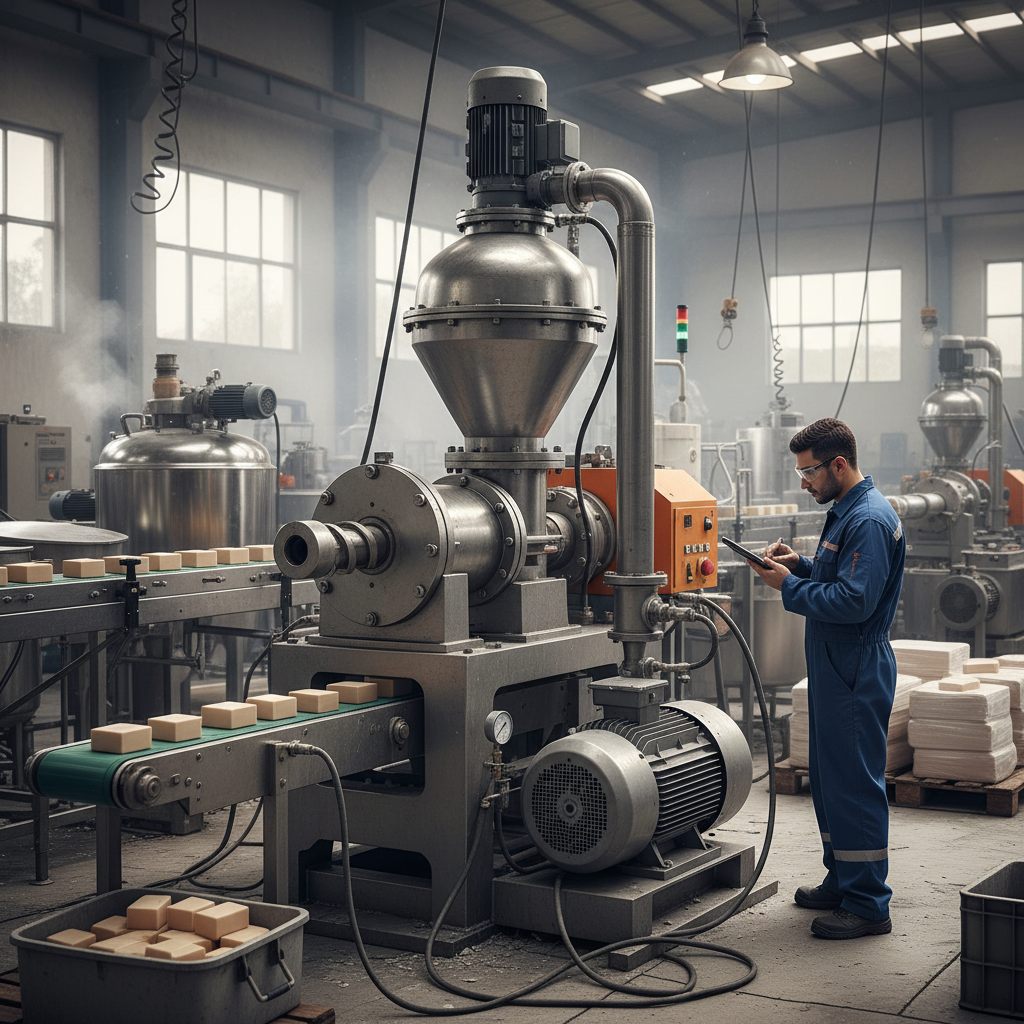
Finally, energy efficiency and precision molding are paramount. Modern plodders and extruders use optimized screw designs to ensure a homogenous soap mass with minimal energy consumption. High-precision molding equipment reduces the "scrap rate" of soap bars, ensuring that the weight and dimensions are identical, which is a non-negotiable requirement for retail distribution.
Scalability and Cost Efficiency in Equipment Selection
Selecting the right machinery requires a balance between initial CAPEX and long-term OPEX. For small to medium enterprises, the focus is often on multi-functional equipment that can handle different soap types, from transparent glycerin bars to opaque laundry soaps. The key is to invest in a high-quality plodder, as it is the heart of the what equipment is needed for soap making ecosystem, determining the final texture and density of the product.
Automation plays a significant role in reducing labor costs. While manual cutting is feasible for boutique shops, an industrial Soap Molding Production Line can produce thousands of bars per hour with zero variance. This shift not only increases output but also enhances safety by removing workers from the vicinity of high-pressure extruders and heat sources.
Performance Comparison of Soap Making Equipment Configurations
Global Applications and Industrial Use Cases
In the pharmaceutical and medical sectors, the requirement for what equipment is needed for soap making shifts toward sterile, high-precision environments. Surgical soaps and antimicrobial bars require specialized mixing equipment that can incorporate active ingredients without degrading their potency. This requires vacuum mixers and temperature-controlled jackets to prevent the overheating of sensitive chemical compounds.
Conversely, in remote industrial zones or post-disaster relief operations, modular and portable soap production units are deployed. These simplified granulation lines allow NGOs to produce basic hygiene bars on-site, reducing the logistical burden of transporting heavy finished goods into disaster-stricken areas. This application proves that the versatility of soap machinery is as much about logistics as it is about chemistry.
Long-Term Value and Sustainable Advantages
Investing in high-end Soap And Soap Molding Production Line equipment provides tangible long-term value by minimizing raw material waste. Precision extruders ensure that the soap mass is fully utilized, and automated cutters reduce the amount of "re-work" (soap that must be melted down and processed again). This not only lowers costs but also reduces the overall carbon footprint of the manufacturing process.
Beyond the balance sheet, there is an emotional and brand-related value to quality machinery. A perfectly smooth, consistently shaped bar of soap signals professionalism and reliability to the consumer. This trust is built through the precision of the stamping machine, which ensures that the brand logo is crisp and centered, enhancing the perceived value of the product in the luxury market.
Sustainability is also achieved through the integration of water-recycling systems within the production line. Modern plants use closed-loop cooling for their plodders, significantly reducing water consumption. For a business, this means lower utility bills and a stronger "green" certification, which is increasingly demanded by modern consumers.
Future Trends in Soap Manufacturing Technology
The future of what equipment is needed for soap making is being shaped by the "Industry 4.0" revolution. We are seeing the integration of AI-driven sensors that can detect air bubbles or inconsistencies in the soap mass in real-time, automatically adjusting the plodder speed to compensate. This level of automation eliminates human error and ensures 100% quality control.
Another major trend is the shift toward "Cold Process Automation." While traditionally a slow, artisanal method, new machinery is emerging that can automate the curing and cutting of cold-process soaps on a large scale. This allows brands to market "natural" and "handmade" qualities while maintaining industrial-level output.
Finally, the adoption of biodegradable and eco-friendly materials for machinery components is on the rise. Manufacturers are exploring the use of advanced polymers and recycled metals to build the chassis of their machines, ensuring that the equipment used to create cleanliness is itself environmentally responsible.
Analysis of Modern Soap Production Technology Trends
| Technology Trend |
Primary Benefit |
Implementation Complexity |
Impact Score (1-10) |
| AI-Driven Quality Sensors |
Zero-defect production |
High |
9 |
| Modular Plodder Design |
Rapid scalability |
Medium |
8 |
| Closed-Loop Water Cooling |
Environmental sustainability |
Low |
7 |
| Automated Cold-Press Lines |
Artisanal quality at scale |
High |
8 |
| IoT Remote Monitoring |
Reduced maintenance downtime |
Medium |
6 |
| Bio-Polymer Components |
Reduced equipment toxicity |
Medium |
5 |
FAQS
The plodder (vacuum extruder) is arguably the most critical. It is responsible for homogenizing the soap mass, removing air bubbles, and compressing the soap into a continuous bar before cutting. Without a high-quality plodder, the soap may have a porous texture, inconsistent density, and a shorter shelf life, regardless of how good the chemical recipe is.
Yes, a modular approach is highly recommended. Many manufacturers start with a Soap Granulation Production Line for basic processing and then integrate an automatic stamping and wrapping machine as their volume increases. This reduces initial financial risk while providing a clear path toward full industrial automation.
It depends on the end product. A molding line is designed for solid bars of soap, focusing on shape and branding. A granulation line is used to produce soap noodles, flakes, or powder, which are often used as raw materials for other soap makers or for laundry detergents. Most large factories employ both to diversify their product offerings.
Regular lubrication of moving parts, inspection of seals to prevent leakages, and deep cleaning of stainless steel surfaces are essential. Because soap ingredients can be corrosive, checking the integrity of the metal and replacing worn-out gaskets every 6-12 months is standard practice to ensure the longevity of the equipment.
Yes, organic soaps often require low-temperature mixing and specialized additives. You will need equipment with precise temperature controls (jacketed kettles) to ensure that natural essential oils and botanical extracts are not destroyed by excessive heat during the saponification process.
While the initial investment in an automated Soap Molding Production Line is higher, the cost per bar drops significantly due to reduced labor costs, minimal material waste, and higher output speeds. For high-volume production, automation typically pays for itself within 18-24 months through operational efficiency.
Conclusion
Determining what equipment is needed for soap making is a strategic journey that bridges the gap between a simple chemical reaction and a commercial success. From the foundational durability of stainless steel mixers to the precision of automated molding lines, every piece of hardware plays a role in ensuring product quality, operational safety, and brand consistency. By focusing on scalability and investing in high-efficiency granulation and molding technology, manufacturers can effectively meet the growing global demand for hygiene products while maintaining a competitive edge.
As the industry moves toward AI integration and sustainable manufacturing, the focus will shift from mere output to "intelligent production." We encourage emerging entrepreneurs to prioritize modular systems that allow for growth and to embrace green technologies that reduce environmental impact. For those ready to transition to professional manufacturing, the right equipment is not just a purchase—it is the foundation of your brand's future. Visit our website for professional solutions: www.rssoapmachinery.com