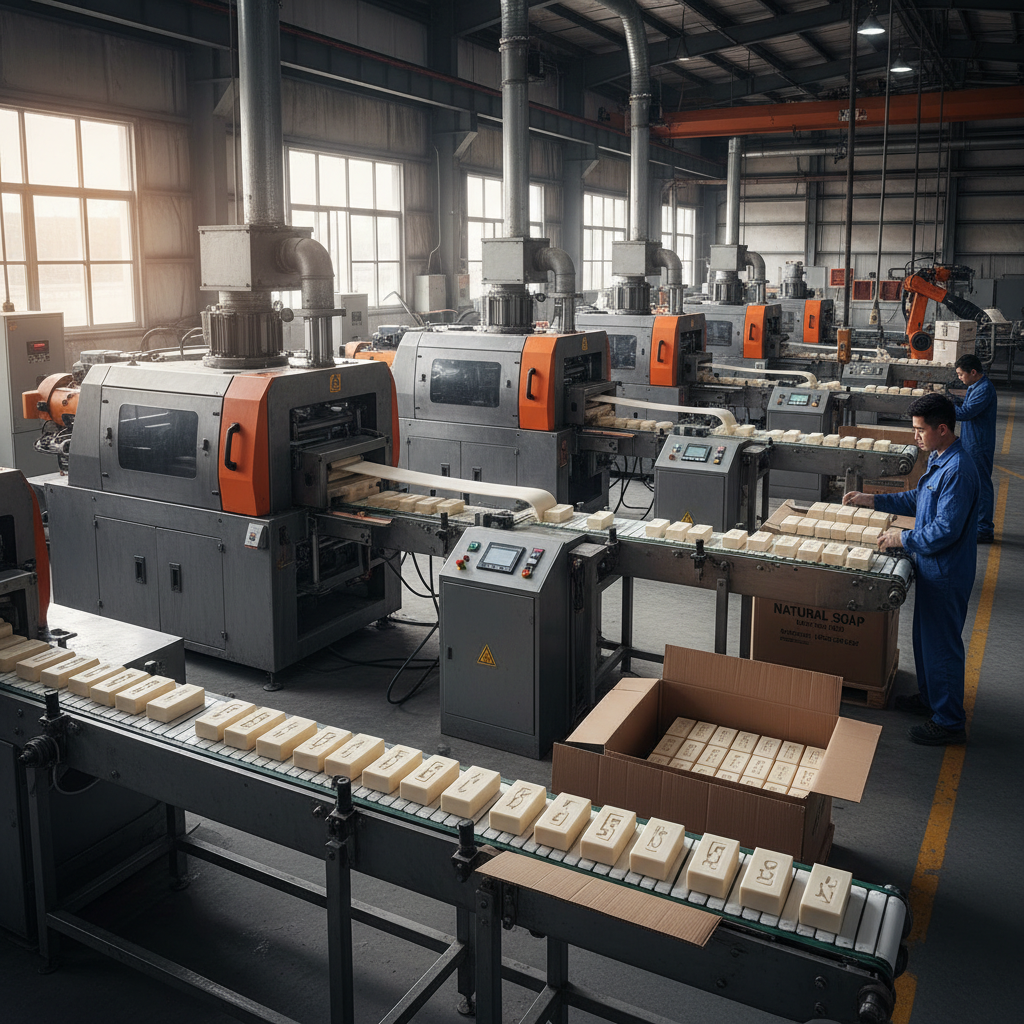
Understanding Sand Cement Mixing Machines: A Comprehensive Guide
For construction professionals and DIY enthusiasts alike, achieving the perfect concrete mix is crucial for any project's success. A sand cement mixing machine streamlines this process, offering efficiency and consistency that manual mixing simply can't match. This article explores the benefits, types, key features, and factors to consider when choosing the right mixing machine for your needs. Whether you're embarking on a small home repair or a large-scale construction project, understanding these machines is essential.
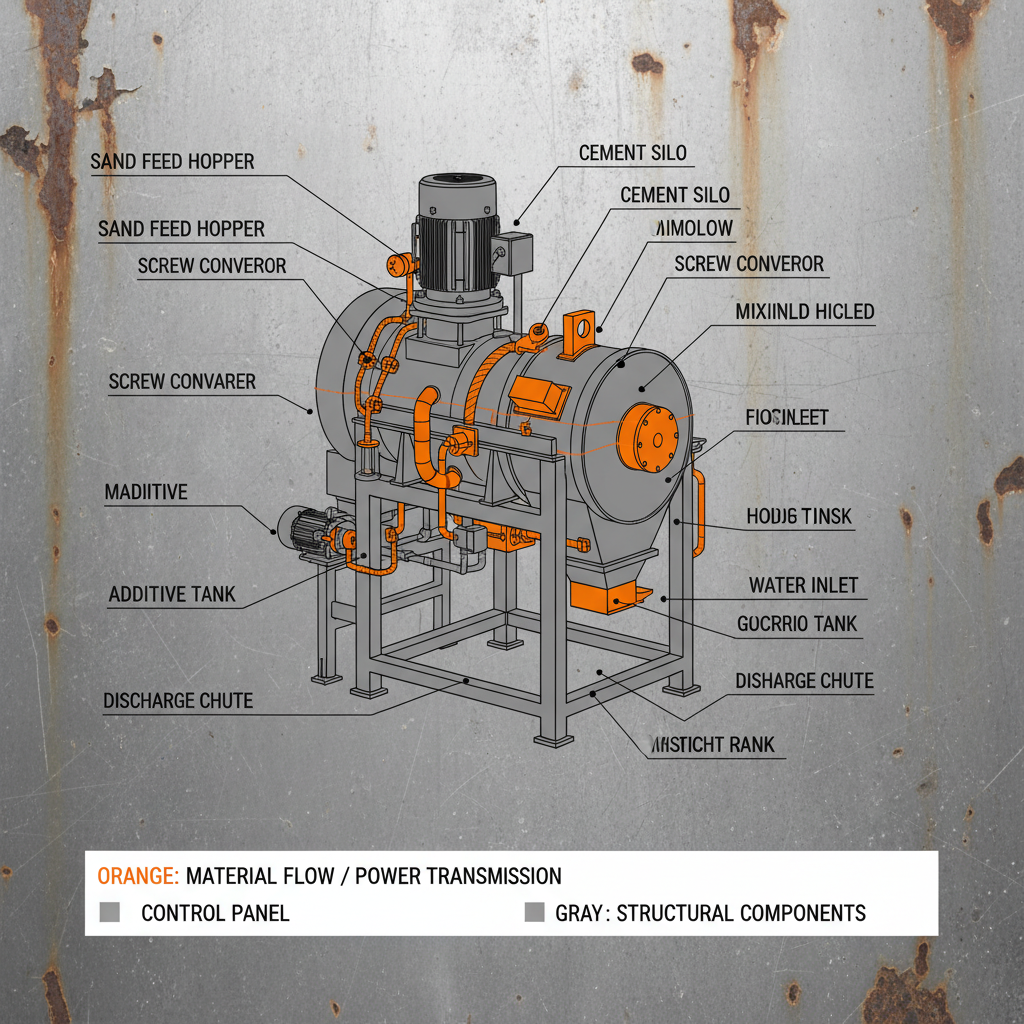
Benefits of Using a Sand Cement Mixing Machine
Investing in a sand cement mixing machine offers a multitude of benefits. Firstly, it significantly reduces labor costs and time. Machines can mix large volumes of material much faster than manual labor. Secondly, they ensure a consistent and homogeneous mix, vital for structural integrity and the quality of the final product. Inconsistent mixing can lead to weak points in concrete, compromising the overall project. Finally, these machines reduce physical strain on workers, promoting a safer and more ergonomic work environment. A reliable mixing machine truly elevates efficiency and quality.
Key Benefits: Reduced labor costs, consistent mix quality, increased efficiency, improved worker safety.
Types of Sand Cement Mixing Machines
Sand cement mixing machines come in various types, each suited to different applications and project scales. These include: Drum Mixers – these are portable and ideal for smaller projects. They rotate a drum to mix the materials. Pan Mixers – offer a more efficient and thorough mix, suitable for medium to large projects. They use a rotating pan and paddles. Concrete Mixers with Pumps – combine mixing with a pumping system, allowing for direct delivery of concrete to the work area, reducing manual handling. Understanding the differences will help you select the best machine for your specific needs.
Mixer Type Comparison:
• Drum Mixers: Portable, ideal for small projects.
• Pan Mixers: Efficient, thorough mixing, medium to large projects.
• Concrete Mixers with Pumps: Mixes and pumps concrete, reduces manual handling.
Choosing the Right Sand Cement Mixing Machine: Key Considerations
Selecting the appropriate mixing machine requires careful consideration of several factors. Project size is paramount; smaller projects can utilize drum mixers, while larger ones necessitate pan mixers or concrete mixers with pumps. The type of material being mixed is also crucial – some machines are better suited for specific cement types. Furthermore, consider the machine’s capacity, portability, power source (electric or gas), and durability. Investing in a machine from a reputable manufacturer, like RS Soap Machine, ensures quality and reliability.
Maintenance and Safety Tips for Your Sand Cement Mixer
Proper maintenance is crucial for extending the life of your mixing machine and ensuring safe operation. Regularly clean the drum or pan after each use to prevent material buildup. Inspect the motor, belts, and electrical components for wear and tear. Lubricate moving parts as recommended by the manufacturer. Always follow safety precautions, including wearing appropriate personal protective equipment (PPE) such as gloves and eye protection. Never operate a damaged machine. A well-maintained machine is a safe and efficient machine.
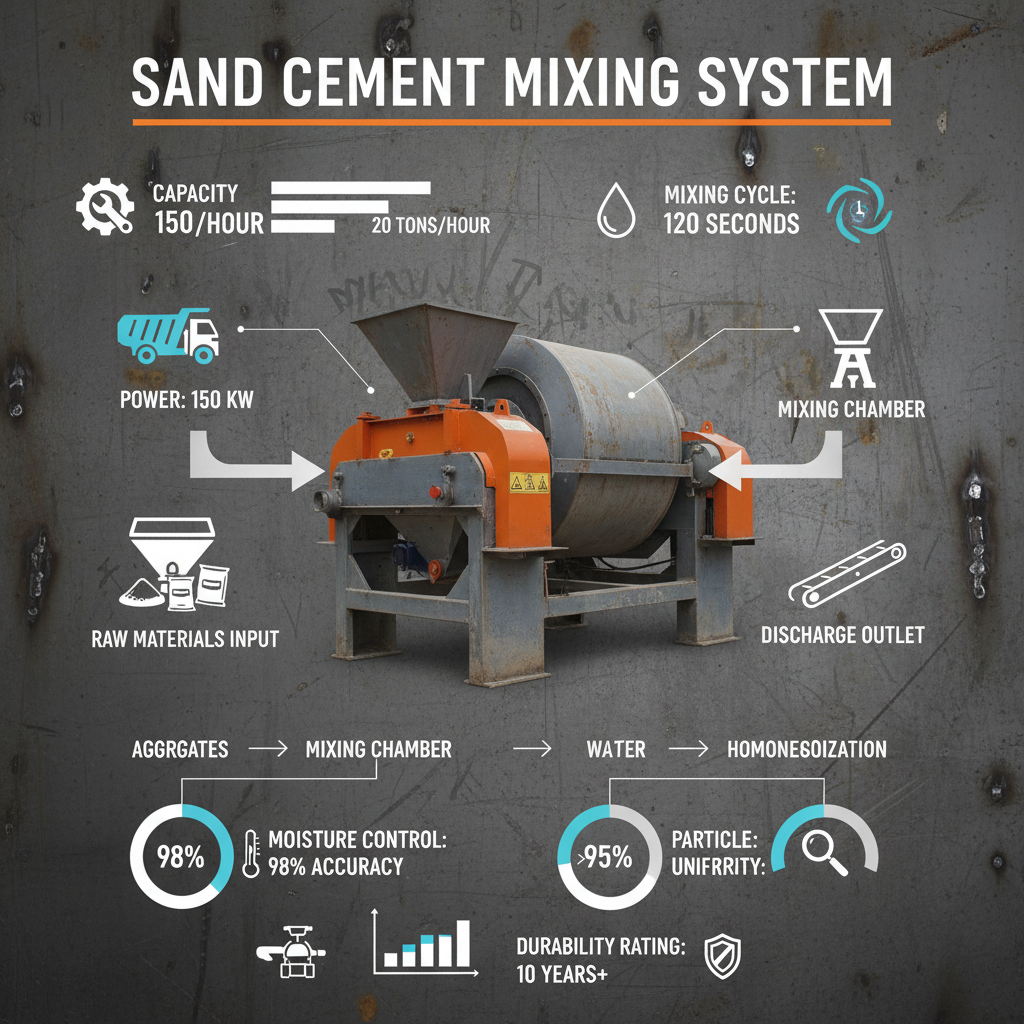
Conclusion: Invest in Efficiency and Quality
Choosing a sand cement mixing machine is a smart investment for any construction or DIY project. It enhances efficiency, improves mix quality, and promotes worker safety. By carefully considering your needs and selecting a reliable machine from a reputable supplier like RS Soap Machine, you can ensure successful project outcomes.
Frequently Asked Questions (FAQs)
What is the typical capacity range of sand cement mixing machines?
Sand cement mixing machines come in a wide range of capacities, generally from 100 liters to over 400 liters. Smaller, portable drum mixers typically range from 100-180 liters, making them suitable for small DIY projects and repairs. Medium-sized pan mixers can range from 200-300 liters, ideal for most residential construction projects. Larger concrete mixers with pumps can have capacities exceeding 400 liters, designed for large-scale commercial construction. Choosing the right capacity depends on the volume of material you need to mix regularly.
How often should I perform maintenance on my mixing machine?
Regular maintenance is vital for ensuring the longevity and performance of your mixing machine. Daily maintenance should include cleaning the drum or pan thoroughly after each use to prevent material buildup. Weekly checks should include inspecting belts for wear and tear, lubricating moving parts as recommended by the manufacturer, and checking for any loose bolts or connections. Annually, it's crucial to have a qualified technician inspect the motor, electrical components, and overall machine condition.
Are sand cement mixing machines easy to operate?
Most sand cement mixing machines are designed for relatively easy operation. However, it's essential to read and understand the manufacturer's instructions thoroughly before use. Basic operation typically involves adding the required materials (sand, cement, water) into the drum or pan, starting the motor, and allowing the machine to mix the materials for a specified duration. Some machines have adjustable speed settings for varying mix consistencies.
What safety precautions should I take when using a sand cement mixing machine?
Safety is paramount when operating a sand cement mixing machine. Always wear appropriate personal protective equipment (PPE), including gloves, eye protection, and a dust mask. Ensure the machine is placed on a stable and level surface. Never reach into the drum or pan while the machine is running. Disconnect the power source before performing any maintenance or repairs. Keep children and unauthorized personnel away from the machine during operation.