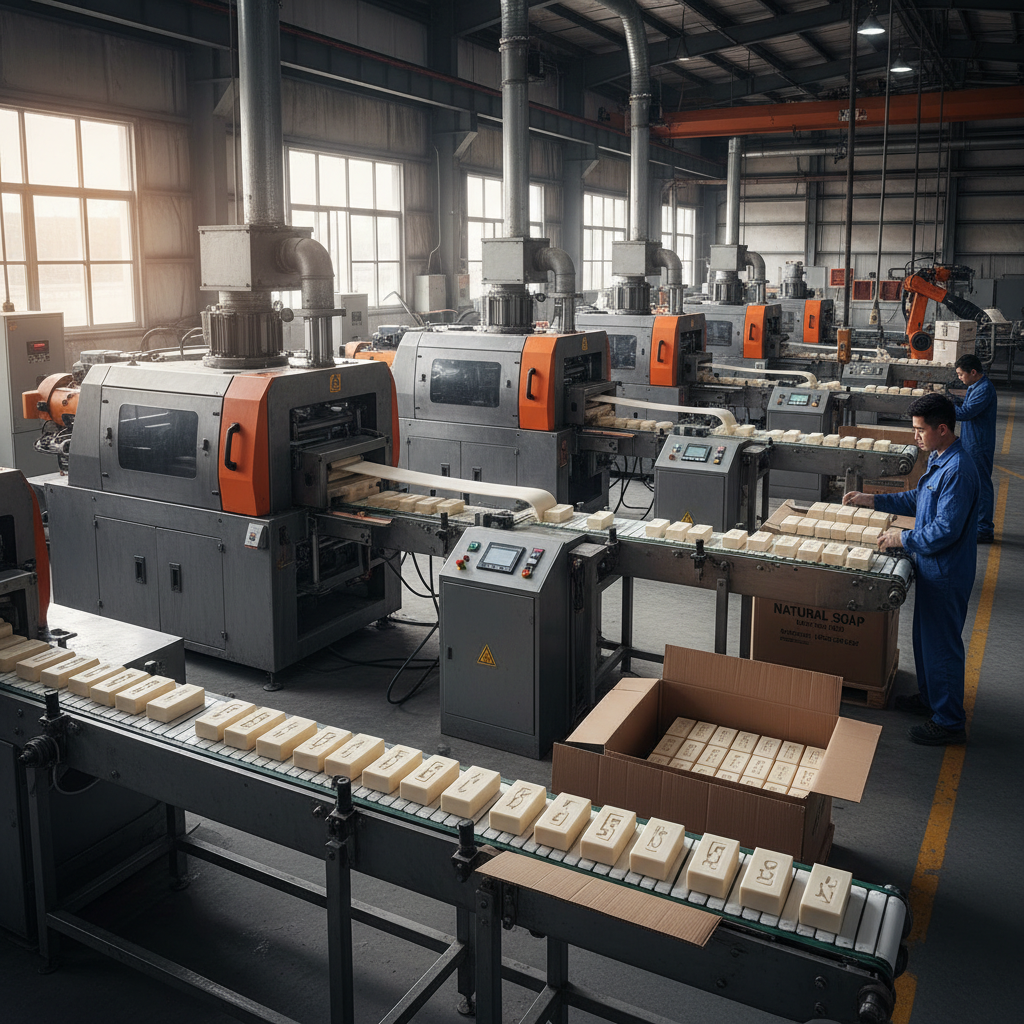
Choosing the Right Machine for Mixing Liquid Soap: A Comprehensive Guide
The demand for liquid soap has surged in recent years, driving the need for efficient and reliable mixing solutions. Selecting the correct machine for mixing liquid soap is critical for consistent product quality, optimized production speeds, and minimized operational costs. This article will explore the key factors to consider when choosing a liquid soap mixing machine, the different types available, and how to ensure you select the best option for your specific needs. We’ll cover everything from batch size to viscosity, helping you make an informed decision.
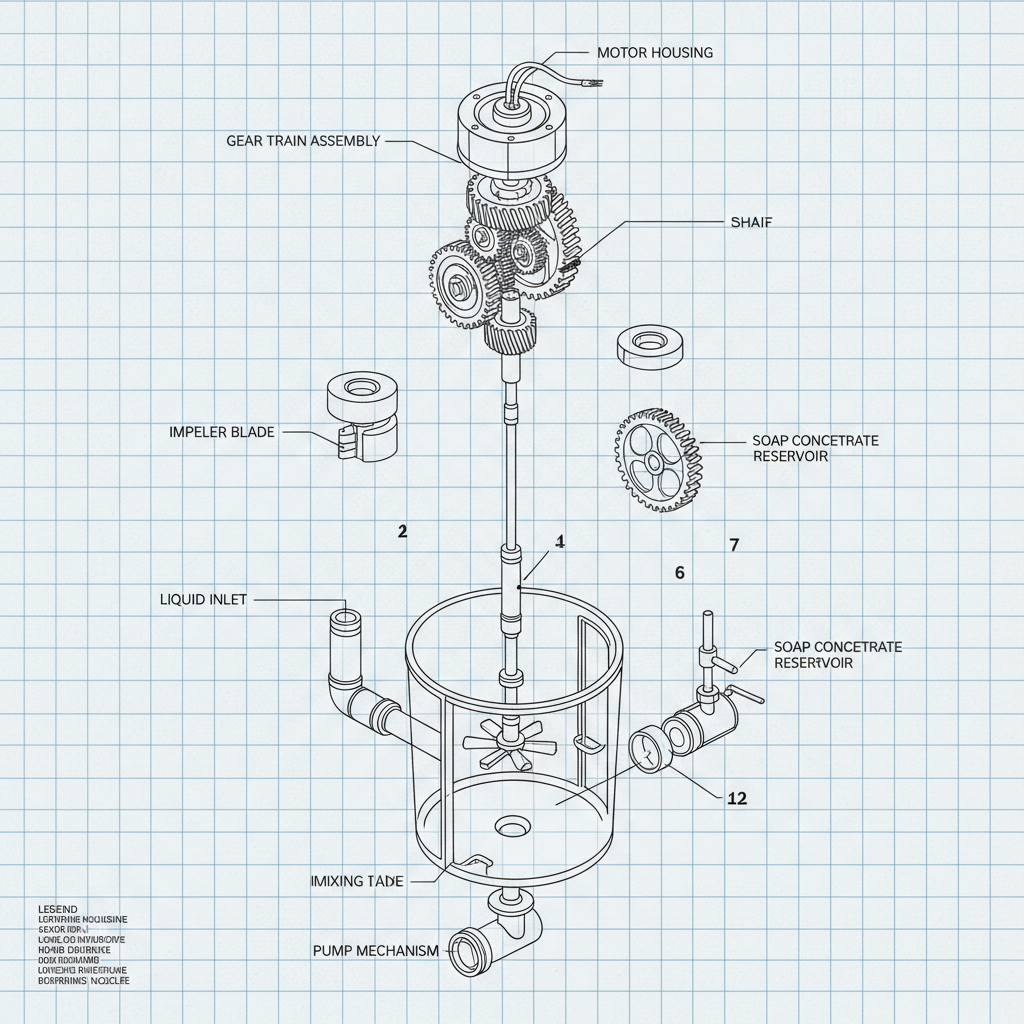
Understanding Your Liquid Soap Production Needs
Before diving into the types of machines available, it's essential to define your production requirements. Key considerations include: batch size (how much soap you need to produce per cycle), viscosity (the thickness of the soap), ingredient types (e.g., liquids, powders, solids), and mixing intensity. A high-viscosity soap will require a more powerful mixer than a thinner formula. Accurately assessing these factors will significantly narrow your options and ensure you choose a machine capable of meeting your production demands. The right mixing machine directly impacts the quality and efficiency of your soap production.
Key Considerations: Batch size, viscosity, ingredient types, mixing intensity, budget, and automation level.
Types of Machines for Mixing Liquid Soap
Several types of machines are commonly used for mixing liquid soap, each with its own advantages and disadvantages. These include: Ribbon Blenders (ideal for viscous mixtures), Paddle Mixers (suitable for gentle blending and maintaining ingredient integrity), High Shear Mixers (used for emulsification and creating stable formulations), and Inline Mixers (for continuous production processes). The choice depends heavily on the specific soap formulation and desired output. For example, a simple hand soap might require a paddle mixer, while a complex formula with oils and fragrances may benefit from a high shear mixer. The selection process is crucial.
Mixer Type Comparison:
• Ribbon Blender: High Viscosity, Large Batches
• Paddle Mixer: Gentle Blending, Fragile Ingredients
• High Shear Mixer: Emulsification, Stable Formulations
• Inline Mixer: Continuous Production, High Volume
A Comparison of Popular Liquid Soap Mixing Machines
Choosing between different machines requires careful consideration. Below is a comparison of three popular options commonly used in liquid soap production, providing insights into their features, benefits, and drawbacks. This will aid in identifying the machine that best suits your production scale and product requirements. The machines from RS Soap Machine are designed for efficiency and reliability.
Factors Affecting Machine Selection
Beyond the type of mixer, several other factors can significantly impact your machine selection. These include the material of construction (stainless steel is preferred for hygiene and durability), automation capabilities (to reduce labor costs and improve consistency), and cleaning procedures (easy-to-clean designs are crucial for maintaining product quality). Consider the long-term operational costs, including maintenance, energy consumption, and potential downtime. Investing in a well-built and properly maintained liquid soap mixing machine will yield significant returns over time.
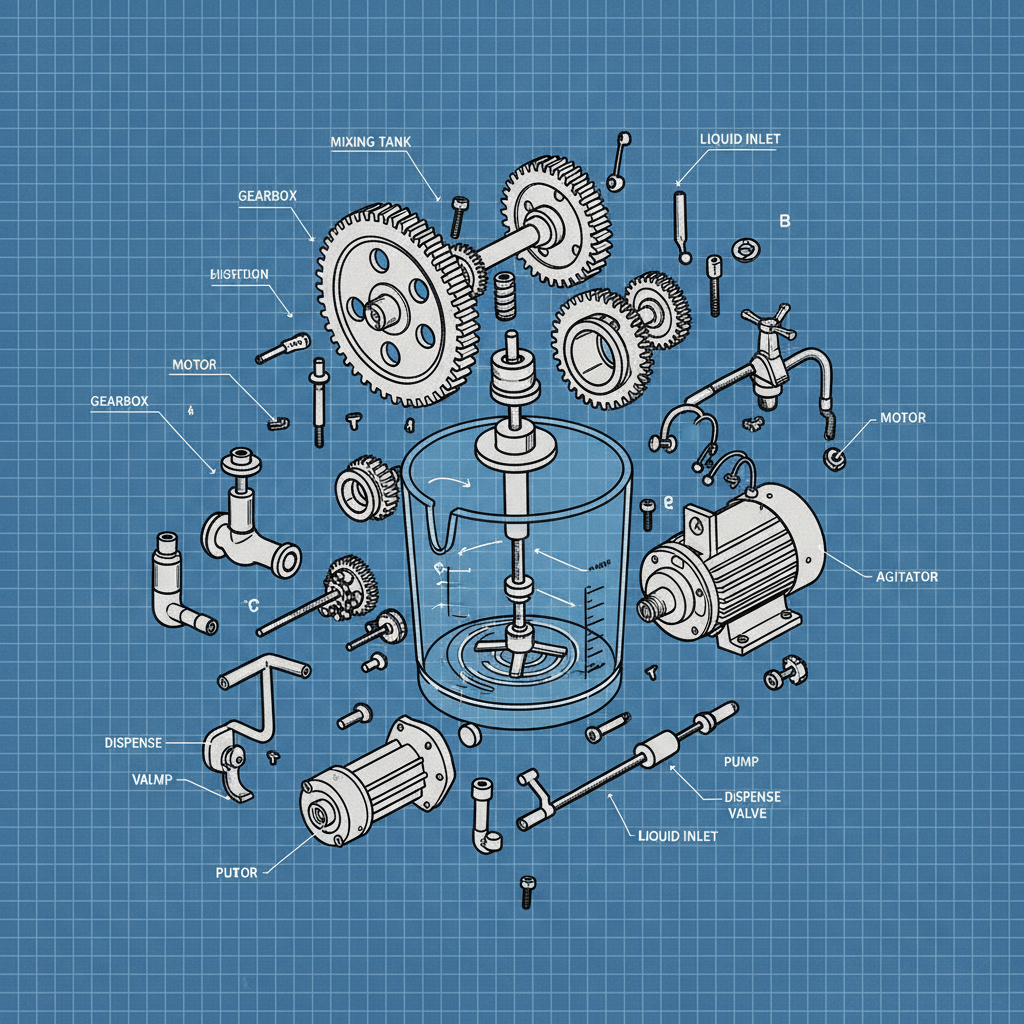
RS Soap Machine: Your Partner in Liquid Soap Production
At RS Soap Machine, we offer a comprehensive range of liquid soap mixing machines designed to meet diverse production needs. Our machines are built with high-quality materials, incorporating the latest technology for optimal performance and efficiency. We provide customized solutions, expert advice, and ongoing support to ensure you achieve the best possible results. From small-scale artisan soap makers to large-scale industrial manufacturers, we have a machine to suit your requirements.
Conclusion: Invest in Quality for Consistent Results
Selecting the right machine for mixing liquid soap is a critical investment. By carefully considering your production needs, understanding the different types of machines available, and partnering with a reputable supplier like RS Soap Machine, you can ensure consistent product quality, optimized efficiency, and long-term success.
Frequently Asked Questions (FAQs)
What is the typical lead time for a liquid soap mixing machine?
Lead times vary depending on the complexity of the machine and our current production schedule. Generally, standard machines are delivered within 4-8 weeks. Custom-built machines may require 8-12 weeks or longer. We strive to provide accurate lead time estimates during the quotation process. Factors like material availability and specific design requirements can impact the delivery timeline. Contacting RS Soap Machine directly allows for a personalized lead time assessment.
What kind of maintenance is required for a liquid soap mixing machine?
Regular maintenance is crucial for ensuring the longevity and optimal performance of your mixing machine. This includes routine lubrication of moving parts, inspection of seals and gaskets, cleaning of the mixing tank and impeller, and periodic checks of electrical connections. We provide detailed maintenance manuals and offer preventative maintenance services to help you minimize downtime and maximize the lifespan of your equipment. Following the recommended maintenance schedule will prevent costly repairs and ensure consistent operation.
Do you offer installation and training services?
Yes, we offer comprehensive installation and training services to ensure a smooth and efficient setup. Our experienced technicians can install your machine at your facility and provide thorough training to your operators on proper operation, maintenance, and safety procedures. We also offer remote support and troubleshooting assistance. We believe that proper installation and training are essential for maximizing the value of your investment. Contact RS Soap Machine for details.
What materials are your mixing machines constructed from?
Our liquid soap mixing machines are primarily constructed from high-quality stainless steel (typically 304 or 316 grade) to ensure hygiene, durability, and resistance to corrosion. Other components, such as motors and seals, are sourced from reputable manufacturers to guarantee reliability and performance. The specific materials used may vary depending on the machine model and customization options. We can accommodate specific material requirements based on your application.