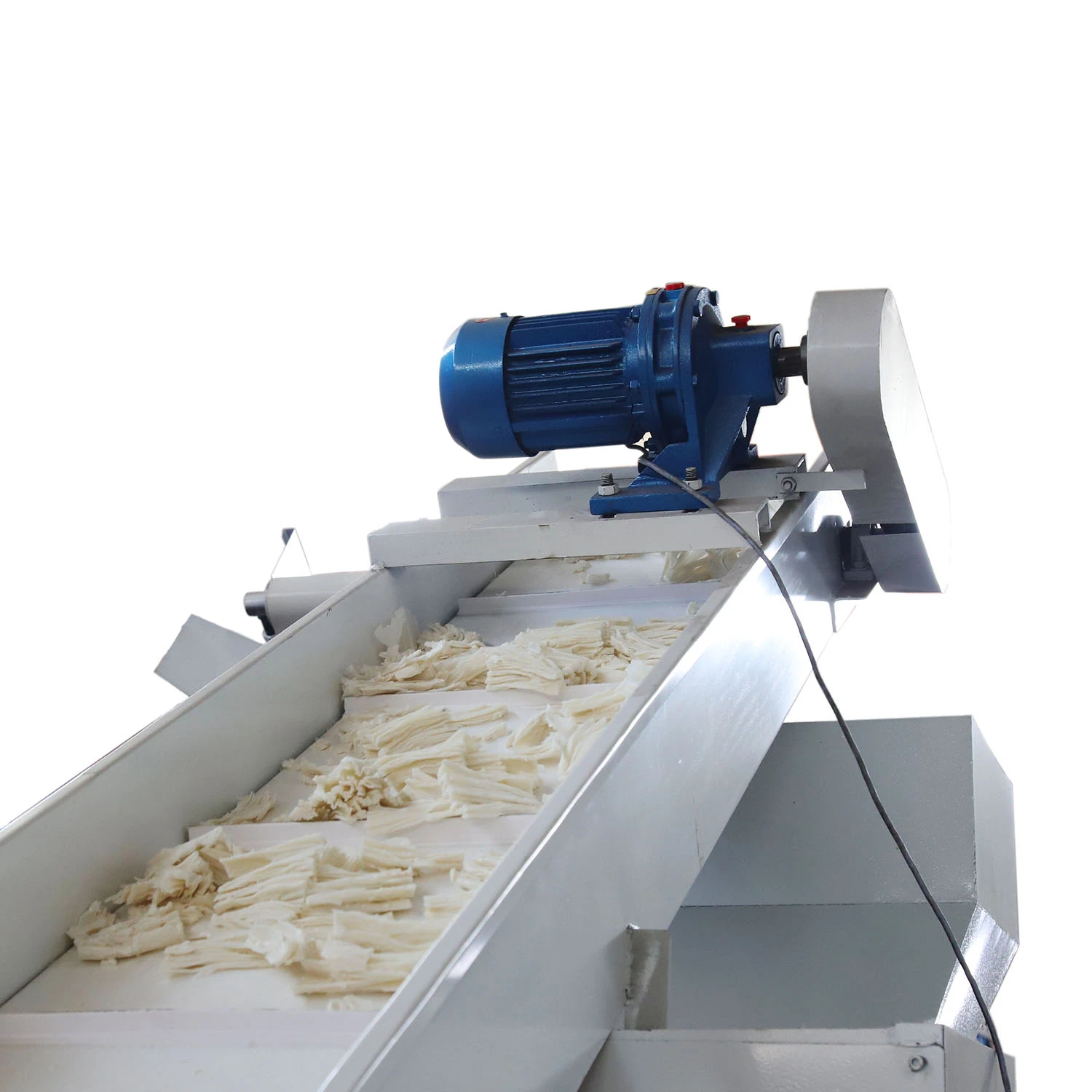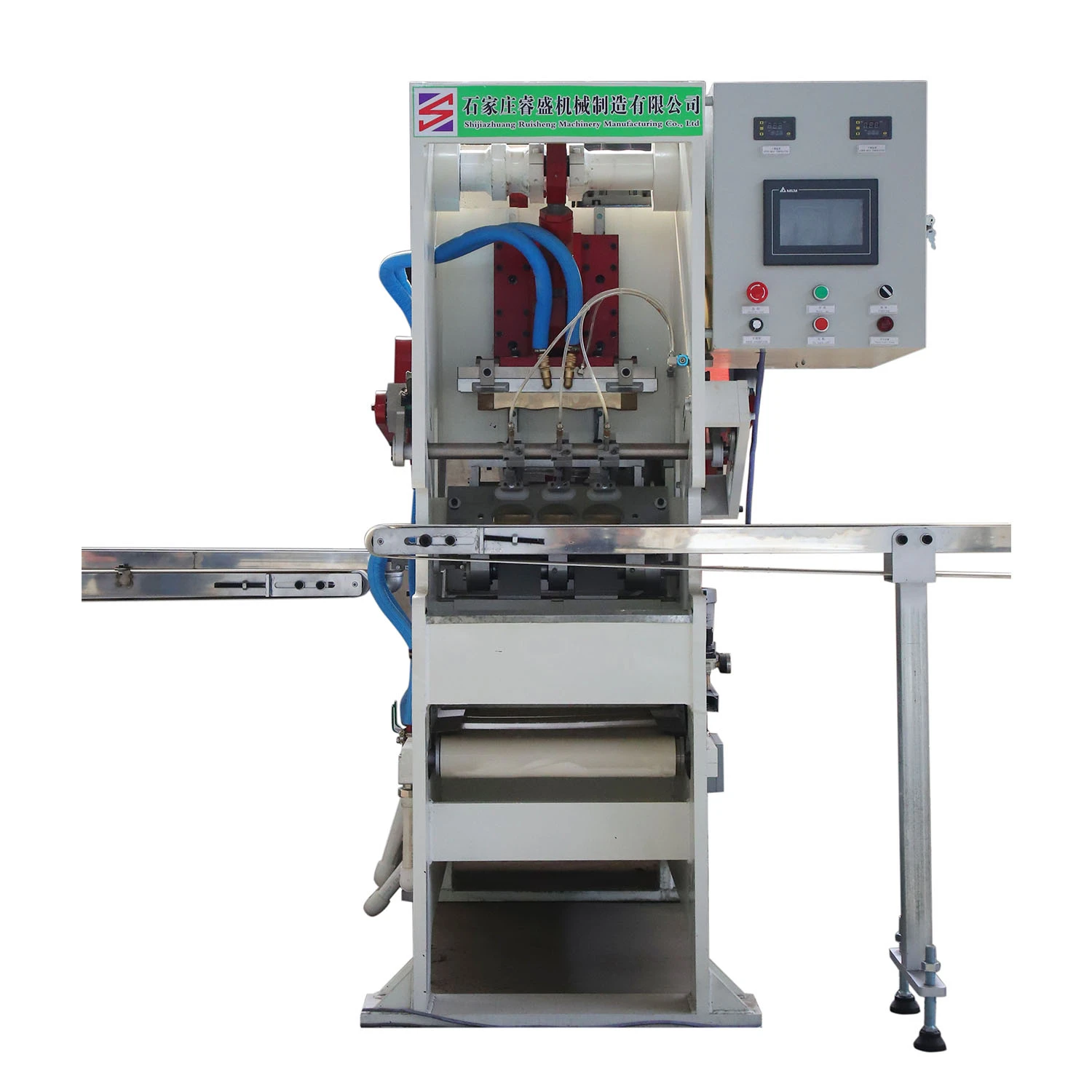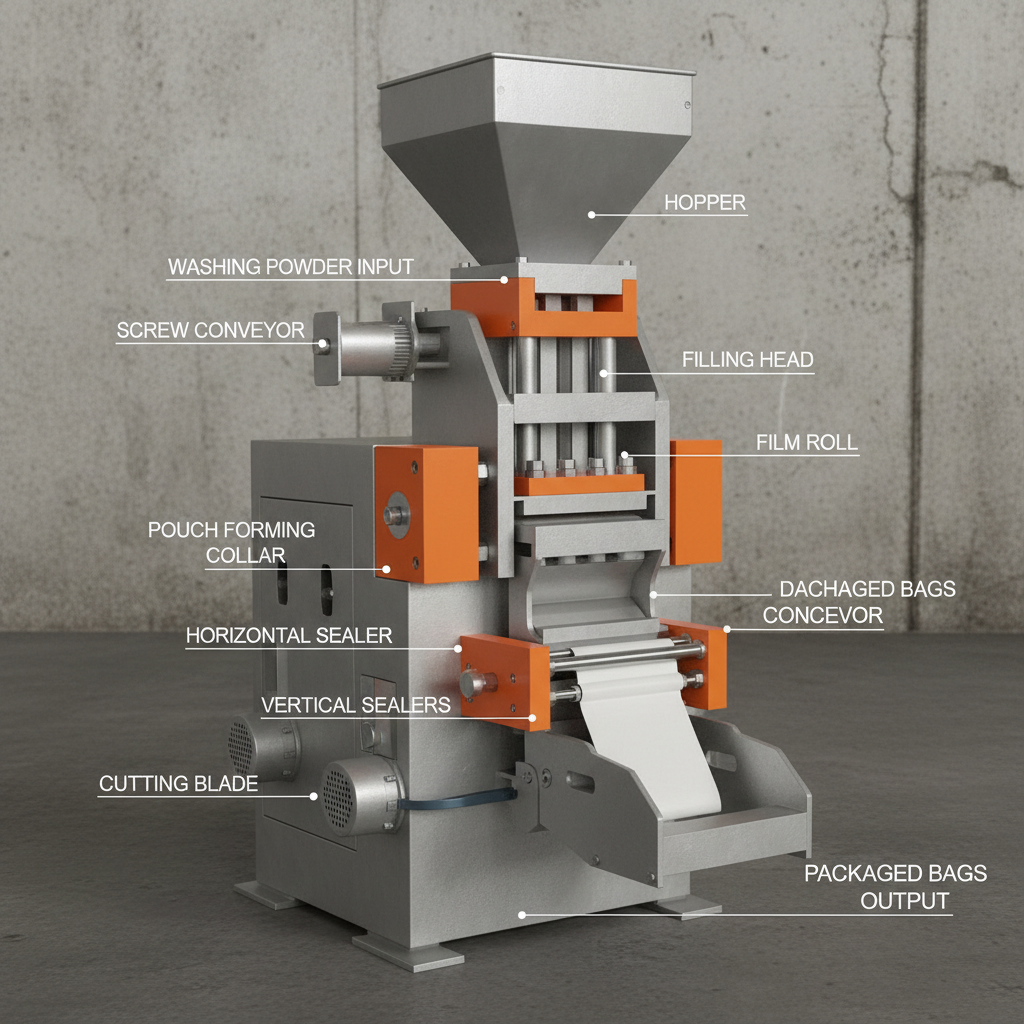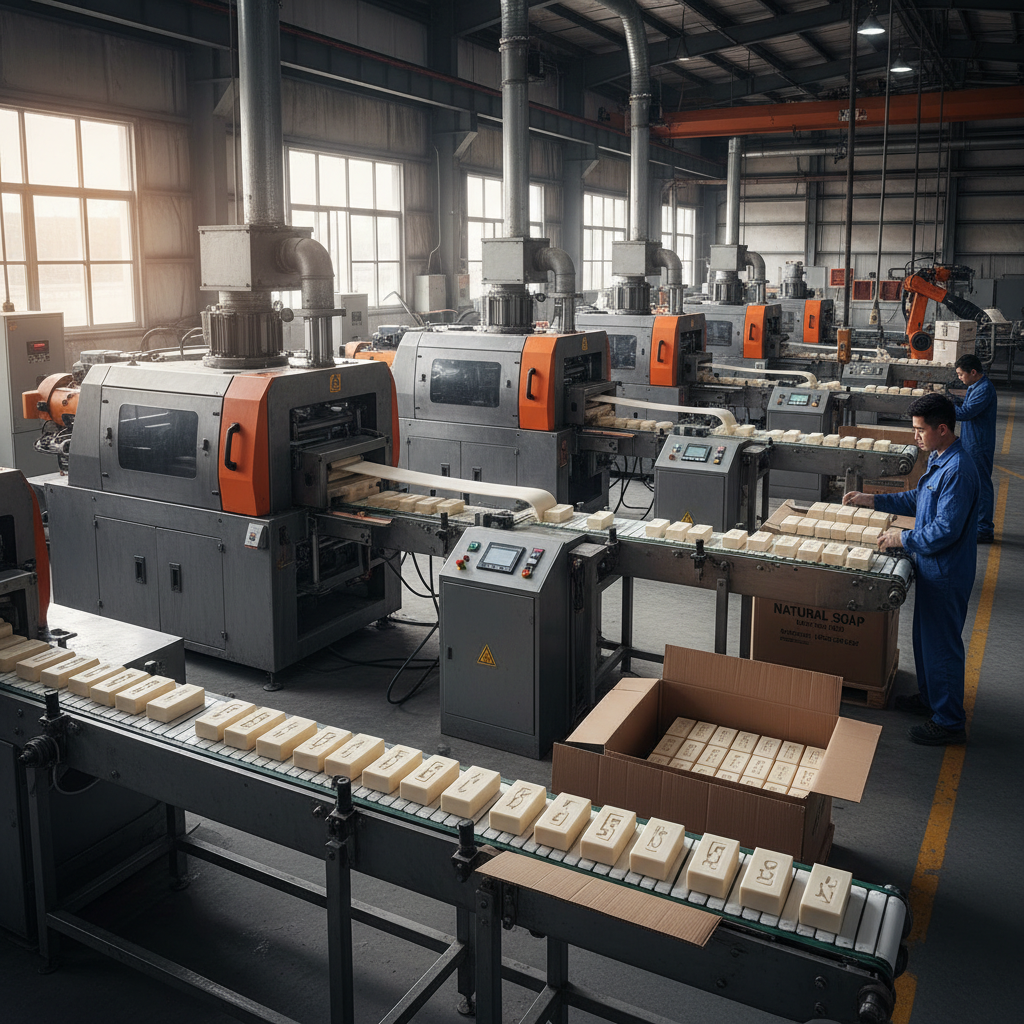
Soap Granulation Production Line Equipment is widely used in the toiletry, cosmetics, and detergent industries for producing high-quality soap granules. It plays a vital role in transforming mixed soap bases into uniform, compact, and smooth granules — the essential step before forming finished soap bars or other soap-based products.
This equipment is ideal for:
-
🧴 Toilet Soap Production: Creating fine and homogeneous soap particles for premium bath and beauty soaps.
-
🧽 Laundry and Household Soaps: Producing dense, easy-to-press granules suitable for detergent and multipurpose soaps.
-
🧪 Industrial Soap Manufacturing: Supporting large-scale production with consistent output and efficient material handling.
-
🌿 Customized & Specialty Soaps: Suitable for natural, herbal, or medicated soap formulations that require precise granulation control.
With advanced automation, high mixing efficiency, and precise temperature control, the soap granulation production line ensures stable quality, reduced energy consumption, and minimal waste. It is a key solution for modern soap factories aiming to improve production capacity, consistency, and product appearance.
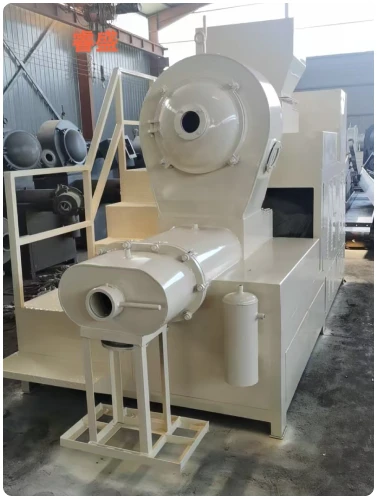
The Role of Soap Granulation in Modern Manufacturing
In traditional soap making, the process of mixing, refining, and cutting soap used to be highly manual and time-consuming. Today, the soap granulation machine plays a key role in automating this process. It converts semi-solid or blended soap noodles into uniform granules by controlled extrusion, refining, and cutting operations. These granules are then fed into plodders or stamping machines to produce finished soap bars.
Granulation is not only a step of shaping but also of enhancing texture, density, and smoothness. The consistency of granules directly impacts the final product’s appearance, weight, fragrance retention, and dissolving rate in use. Hence, high-precision soap granulation equipment ensures that every soap bar maintains a uniform standard — whether it’s a beauty soap, hotel soap, or industrial detergent.
Applications Across Industries
1. Toilet Soap and Beauty Soap Production
In the cosmetics and personal care industry, product aesthetics and texture are critical. The soap granulation production line helps achieve smooth, fine-grained particles, ensuring that beauty soaps have a luxurious touch and consistent performance. Whether it’s glycerin-based, herbal, or moisturizing formulas, granulated soap base enables even mixing of colorants, fragrances, and active ingredients. This ensures each bar of soap delivers a high-end appearance and skin-friendly feel.
2. Laundry and Detergent Soap Manufacturing
For laundry soap production, granulation ensures dense, durable granules that are easy to press and cut into strong bars. The equipment maintains uniform moisture levels and composition, which is essential for detergent performance and foaming behavior. In large-scale detergent soap plants, automated granulation lines can handle high throughput with minimal waste, supporting sustainable and cost-efficient operations.
3. Hotel, Travel, and Specialty Soaps
Small-format soaps, such as those used in hotels or gift packaging, demand high precision in both shape and fragrance retention. The granulation process allows soap makers to achieve exact size control and stable quality — ideal for producing customized mini soap bars or branded gift sets.
Moreover, with growing consumer interest in natural and eco-friendly products, soap granulation machines enable the inclusion of natural additives like essential oils, plant extracts, and exfoliants without compromising the consistency of the final product.
4. Industrial and Multipurpose Cleaning Soaps
Beyond personal care, industrial cleaning soaps and household multipurpose soaps also rely on advanced granulation. These products often require higher durability, lower solubility, and specific performance properties. The soap production line equipment ensures these parameters are consistently met while allowing manufacturers to adjust formulas based on target applications — from workshop hand cleaners to floor-cleaning bars.
Key Features and Technical Advantages
-
High Mixing Efficiency — The integrated mixer and extruder systems guarantee uniform blending of raw materials, additives, and colors.
-
Stable Output and Granule Uniformity — Automatic control ensures consistent granule size, density, and texture, enhancing final product appearance.
-
Energy Efficiency and Low Waste — Modern designs minimize heat loss and material residue, improving sustainability and reducing cost.
-
Adaptable to Different Soap Formulations — Whether the base material is animal fat, vegetable oil, or synthetic surfactants, the granulation line can be precisely adjusted for optimal performance.
-
Automation and Easy Operation — PLC control systems and user-friendly interfaces allow for easy adjustment of temperature, pressure, and speed, ensuring reliable performance even in large-scale production.
These features make the soap granulation production line not just a machine, but a complete industrial solution that supports both traditional and modern soap manufacturers.
How the Equipment Integrates into a Soap Production Line
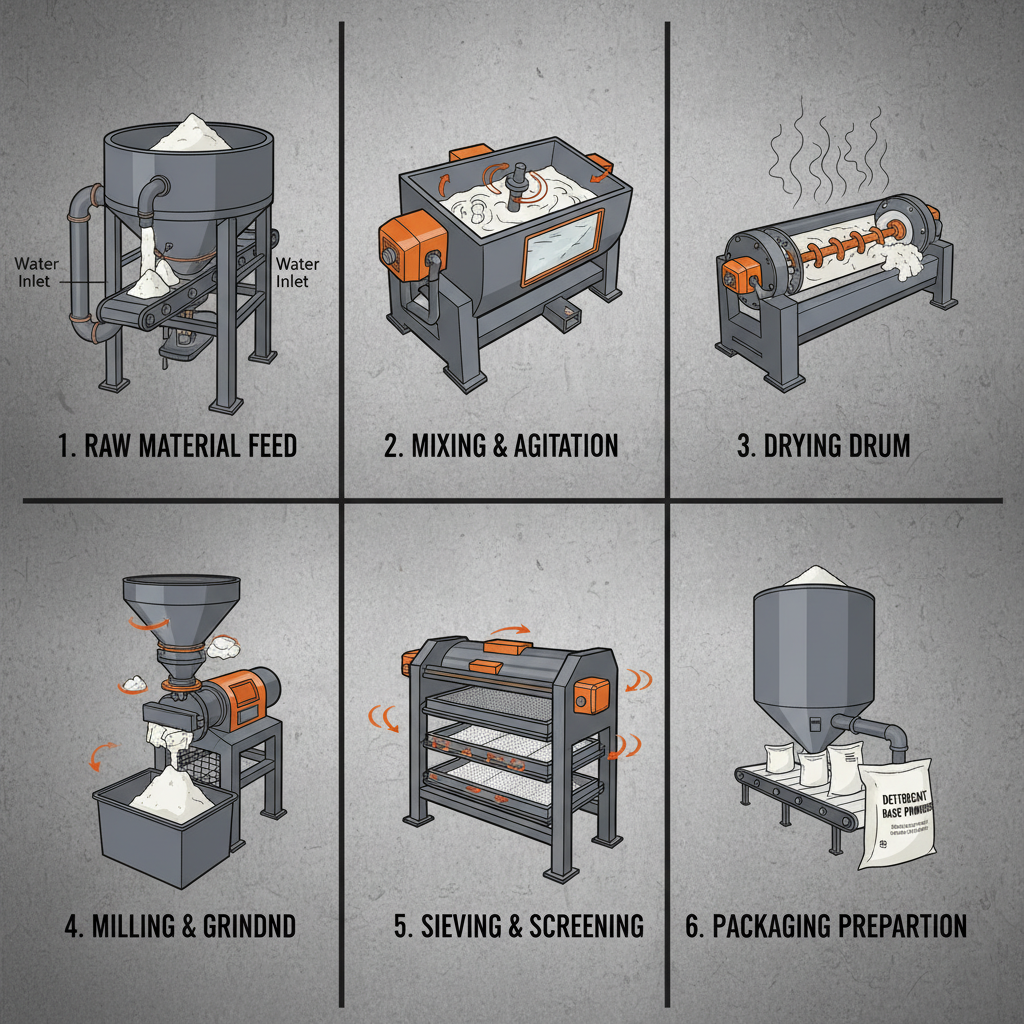
A typical soap production line includes the following stages:
-
Mixing and Refining: Raw soap bases, colorants, and additives are thoroughly mixed.
-
Granulation: The mixture is processed through the soap granulation machine, forming uniform soap pellets or granules.
-
Vacuum Plodding: Granules are compressed under vacuum to remove air bubbles, forming smooth, solid billets.
-
Cutting and Stamping: The billets are cut into individual bars and stamped with brand logos.
-
Cooling and Packaging: Finished soaps are cooled, inspected, and packed for sale.
The granulation process ensures that every subsequent stage — especially plodding and stamping — runs smoothly, reducing waste and ensuring consistent bar quality.
Benefits for Manufacturers
-
Consistent Product Quality: Uniform granules mean every soap bar has the same texture, weight, and fragrance concentration.
-
Higher Production Efficiency: Continuous processing saves labor, time, and material costs.
-
Scalability: Suitable for both small-scale handmade operations and large industrial factories.
-
Customization Flexibility: Supports OEM/ODM projects, allowing easy switching between product types and formulas.
-
Improved Hygiene Standards: Fully enclosed systems prevent contamination, meeting modern hygiene and safety requirements.
With these advantages, manufacturers can quickly respond to changing market demands while maintaining strong competitiveness.
Sustainable and Eco-Friendly Soap Production
Modern soap manufacturing equipment is increasingly focused on sustainability. The granulation system reduces energy use, limits material waste, and can incorporate biodegradable or plant-based ingredients efficiently. Additionally, advanced temperature and pressure controls help maintain ingredient integrity — essential for organic soap production and environmentally friendly brands.
Manufacturers adopting these technologies not only improve efficiency but also align with global trends toward sustainable production and eco-conscious consumer behavior.
Conclusion
The Soap Granulation Production Line Equipment is at the heart of efficient, modern, and sustainable soap production. From beauty bars to industrial detergents, its ability to produce consistent, high-quality granules ensures smooth operation across every stage of manufacturing. With strong adaptability, precision control, and automation, this equipment empowers soap producers to scale up production, reduce costs, and maintain product excellence.
Whether you are building a new soap factory or upgrading your existing plant, investing in professional soap granulation and production line solutions is the key to achieving consistent performance, global market competitiveness, and long-term business growth.