Selecting the right soap production equipment is a critical decision for manufacturers in the specialized chemical machinery sector. Whether establishing a new facility or upgrading an existing line, the synergy between mixing, milling, and molding technology determines the final product's texture, stability, and market appeal.
Many producers struggle with batch-to-batch inconsistency, fragrance volatility, and inefficient blending of additives like sodium silicate. These operational bottlenecks often stem from a mismatch between the machinery's technical specifications and the specific requirements of the soap base being processed.
This analysis provides a technical framework for evaluating production lines, from blending tanks to granulation systems, helping manufacturers align their hardware investment with specific product goals such as toilet soaps, laundry bars, or specialized cosmetic cleansers.

Core Components of Modern Soap Lines

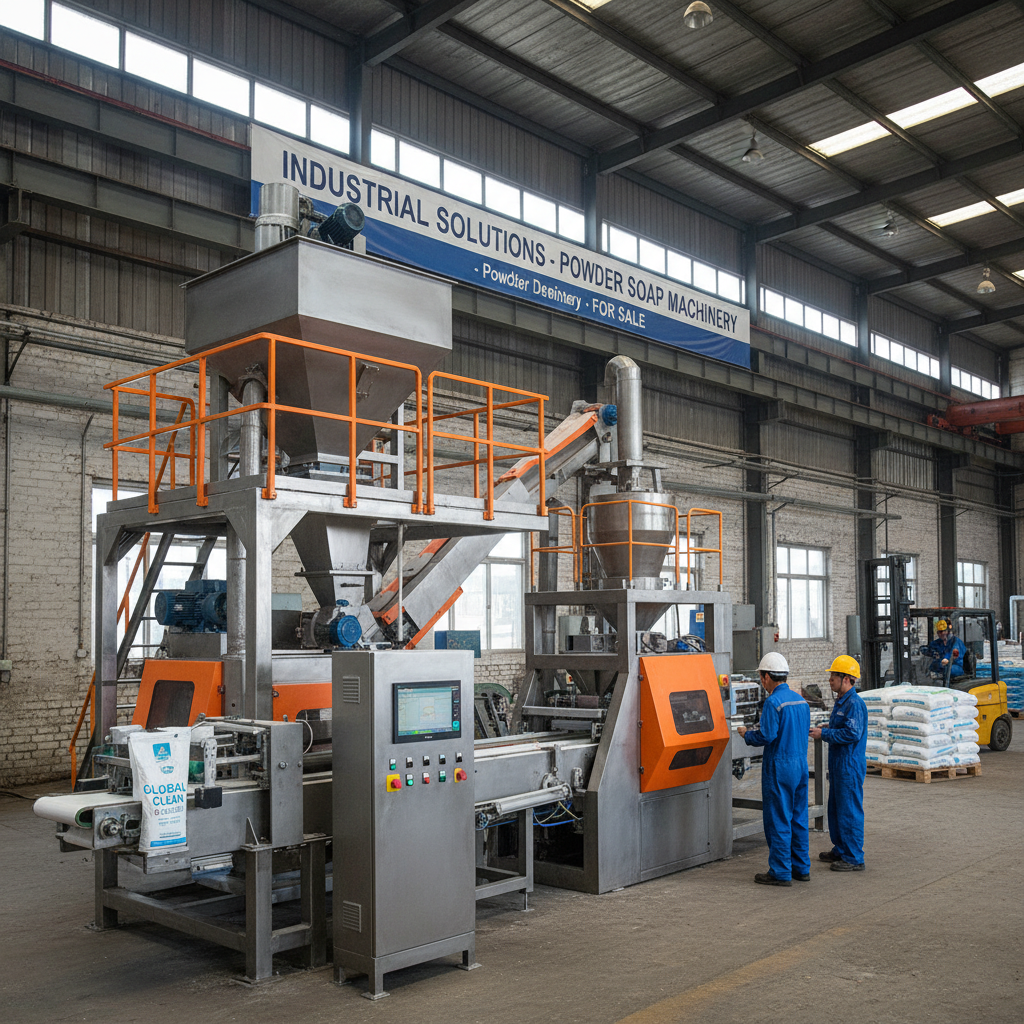
A professional soap production line is an integrated ecosystem rather than a collection of standalone machines. At its foundation, the process requires a sequence that manages the transition from raw chemical blending to final shaping. Key assets typically include sigma kneaders for initial mixing, three-roll grinders for refining the soap mass, and vacuum double-drawing machines for air removal and homogenization.
For those specializing in granules, the soap granulation production line equipment introduces a different logic, focusing on pelletizing and drying rather than molding. Shijiazhuang Ruisheng Machinery Manufacturing Co., Ltd. integrates these diverse components, utilizing CNC machining to ensure that each unit maintains the tight tolerances required for high-volume industrial output.
The Role of High-Precision Blending Tanks
The blending tank serves as the chemical heart of the production process. In the production of laundry, toilet, or transparent soaps, the tank must allow for the seamless integration of sodium silicate, coloring agents, and fragrances. If the homogenization is uneven, the finished bars will exhibit streaks of color or inconsistent scent profiles, which directly impacts consumer perception.
Beyond standard soap, these tanks are adapted for cosmetics and personal care, such as body scrubs and facial cleansers. The ability to handle high volumes while preserving the integrity of active ingredients ensures that the emulsion remains stable. For industrial chemical processing, these tanks facilitate the dispersion of stabilizers and bonding agents with minimal residue, maximizing batch efficiency.
Optimizing the Milling and Refining Process
Refining is where the "texture" of the soap is created. The transition from a crude soap base to a smooth, professional bar requires precise milling. The three-roll grinder is essential here, applying high shear forces to break down agglomerates. When paired with a soap refining machine, the process ensures that any remaining impurities are strained out, creating a "clean mass" that is ready for the plunger and molding stages.
Operational efficiency in refining is often measured by the reduction of air pockets and the uniformity of the soap's density. Utilizing vacuum technology during the drawing phase prevents the soap from becoming porous, which would otherwise lead to cracking during the curing process or a shorter shelf life for the end user.
Comparative Performance Metrics
Evaluating soap production equipment requires looking beyond raw output. Manufacturers must consider the relative impact of different machine configurations on product quality and operational cost. The following conceptual framework illustrates the relative priority of different technical factors across three common production scales.
The data provided is illustrative, representing a normalized score of importance (1-100). In small-scale artisan setups, versatility is the priority. In mid-to-large scale industrial plants, the focus shifts heavily toward throughput consistency and the minimization of manual intervention through automatic dicing and printing systems.
Customizing Lines for Specific Soap Types
Not all soap production equipment is universal. A line designed for laundry soap, which may prioritize high-volume output and basic additive integration, differs significantly from a line designed for transparent or perfumed toilet soaps. Transparent soaps require precise temperature control and specialized blending cycles to maintain clarity and prevent crystallization.
For manufacturers expanding into the "granulated" market, the Soap Granulation Production Line Equipment is the primary investment. This shift requires moving away from molding and stamping toward extrusion and drying. The choice of stainless-steel linings in blending tanks also becomes critical when the line is customized for food-grade or high-end cosmetic blends to meet stricter hygiene standards.
Common Integration Risks and Failures
The most frequent failure in soap production lines is the "bottleneck effect," where one machine's capacity does not match the others. For example, if the sigma kneader produces mass faster than the three-roll grinder can refine it, the system faces costly downtime or degrades product quality due to overheating the mass in the holding stage.
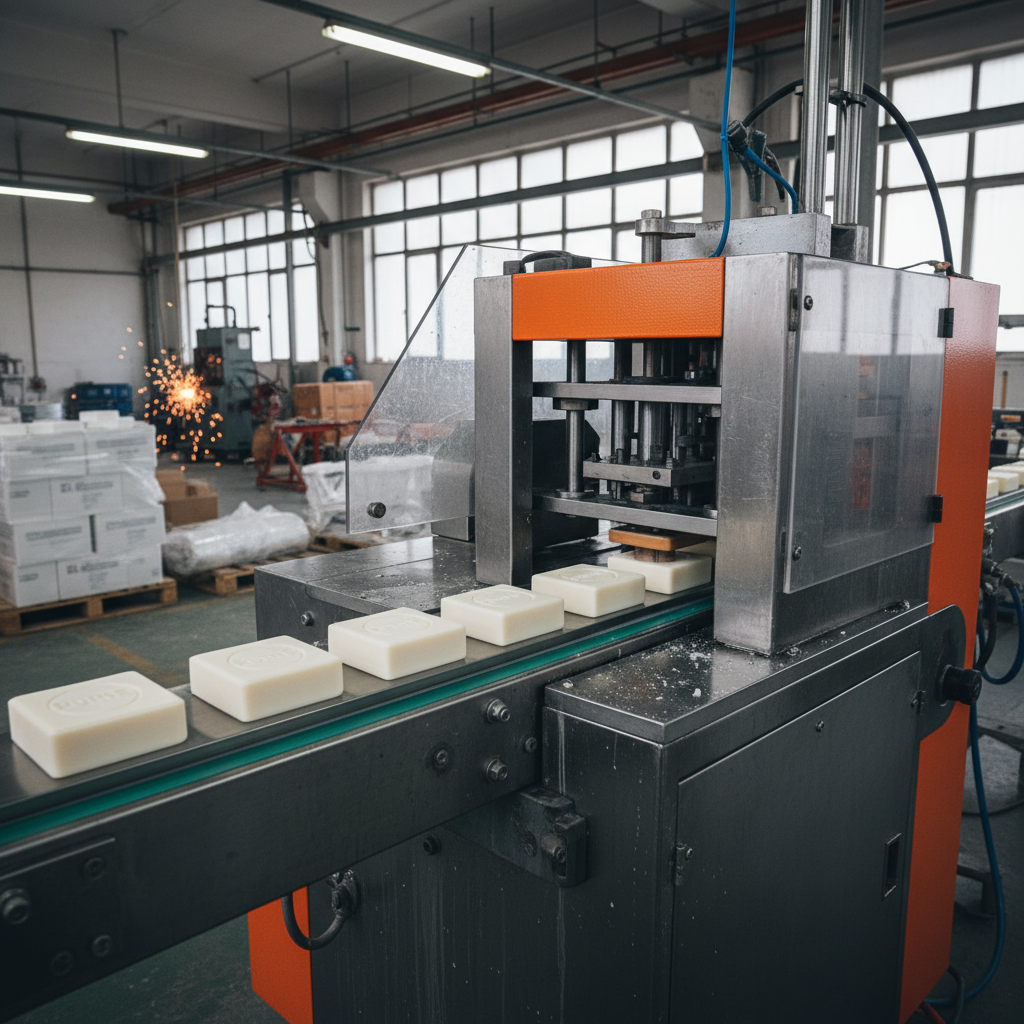
Another risk involves improper calibration of automatic dicing and printing machines. Inconsistent dicing leads to weight variances in the final bars, which can cause regulatory compliance issues. Ensuring that the electronic dicing machine is synchronized with the conveyor speed is essential for maintaining a continuous, waste-free flow of material.
Equipment Selection Framework
When choosing between different equipment configurations, manufacturers should use a dimension-based approach. The following table compares standard industrial approaches to help buyers align their investment with their specific output requirements.
| Configuration | Primary Strength | Best Application | Main Consideration |
|---|---|---|---|
| Basic Molding Line | Low Initial Cost | Laundry/Utility Soap | Higher Manual Labor |
| Automated Milling Line | High Texture Quality | Premium Toilet Soap | Higher Energy Use |
| Granulation Line | Product Versatility | Industrial Detergents | Drying Time Requirements |
| Vacuum-Enhanced Line | Zero Porosity | Transparent/Luxury Bars | Technical Complexity |
| Semi-Auto Modular | Scalability | Growing Mid-Sized Brands | Interfacing Parts |
| Full Industrial Hub | Maximum Throughput | Global Mass Market | Large Factory Footprint |
Ultimately, the decision should be based on the target product's chemical properties and the desired daily volume. Shijiazhuang Ruisheng Machinery provides customized solutions that balance these factors, ensuring that the machinery—from the vacuum double-drawing machine to the conveyor—works as a single, cohesive unit.
Frequently Asked Questions
A molding line focuses on shaping solid soap mass into bars using plungers and molds. A granulation line extrudes the soap into small pellets or granules, which are then dried and used as raw materials or final detergent products.
It removes air bubbles trapped during the mixing and milling stages. This increases the density of the soap, prevents cracking, and ensures a smooth, professional finish on the bar surface.
Fragrance stability depends on the blending tank's ability to homogenize additives at the correct temperature and speed, preventing the volatile fragrance oils from evaporating or separating from the soap base.
Yes, they are suitable for cosmetics (body scrubs, facial cleansers) and general chemical processing where additives or solvents must be evenly dispersed in a semi-liquid medium.
Inconsistent weights are usually caused by uneven soap mass density or poorly calibrated electronic dicing machines. Regular synchronization of the dicing speed with the conveyor flow is required.
The three-roll grinder and vacuum drawing machine are most critical, as they define the smoothness, opacity, and lack of porosity that characterize high-end soap bars.
Conclusion
Successful soap production depends on the seamless integration of blending, refining, and shaping technologies. By aligning equipment specifications—such as the precision of the blending tank or the capacity of the milling line—with the specific chemical requirements of the product, manufacturers can eliminate batch inconsistency and maximize operational throughput.
For those evaluating customized production lines, visiting www.rssoapmachinery.com provides access to a range of industrial solutions designed for the global soap and detergent market, ensuring technical reliability from initial mixing to final packaging.