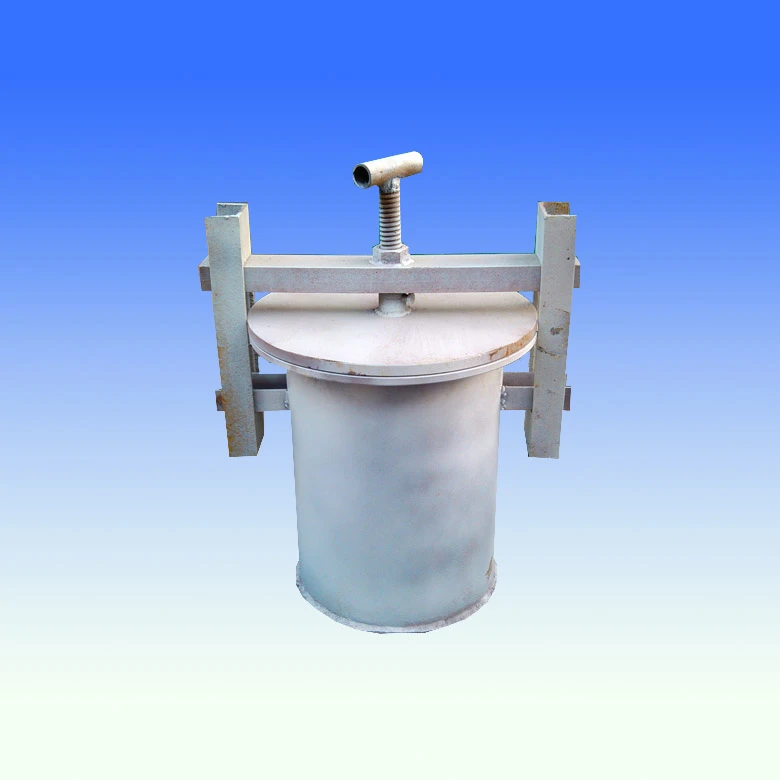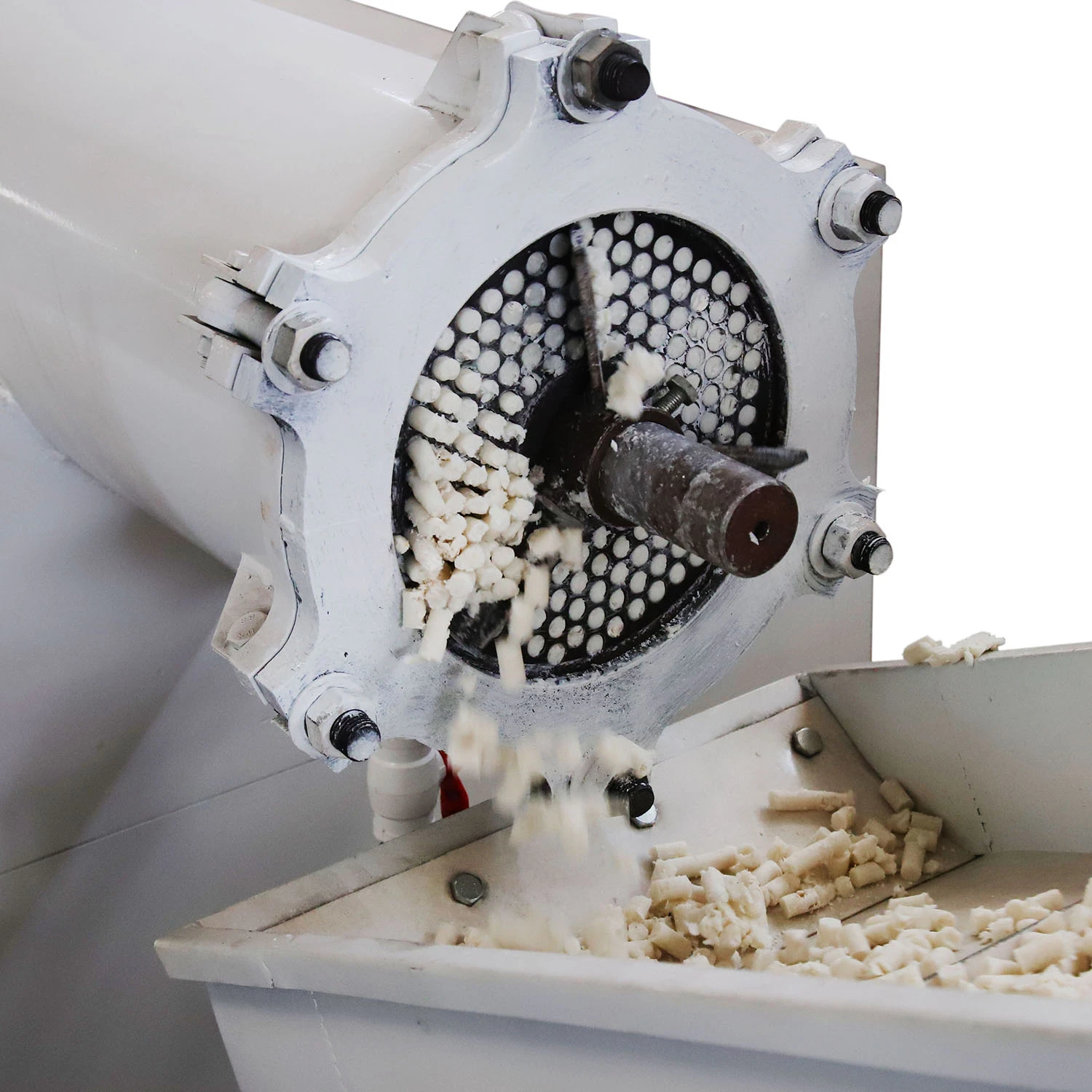
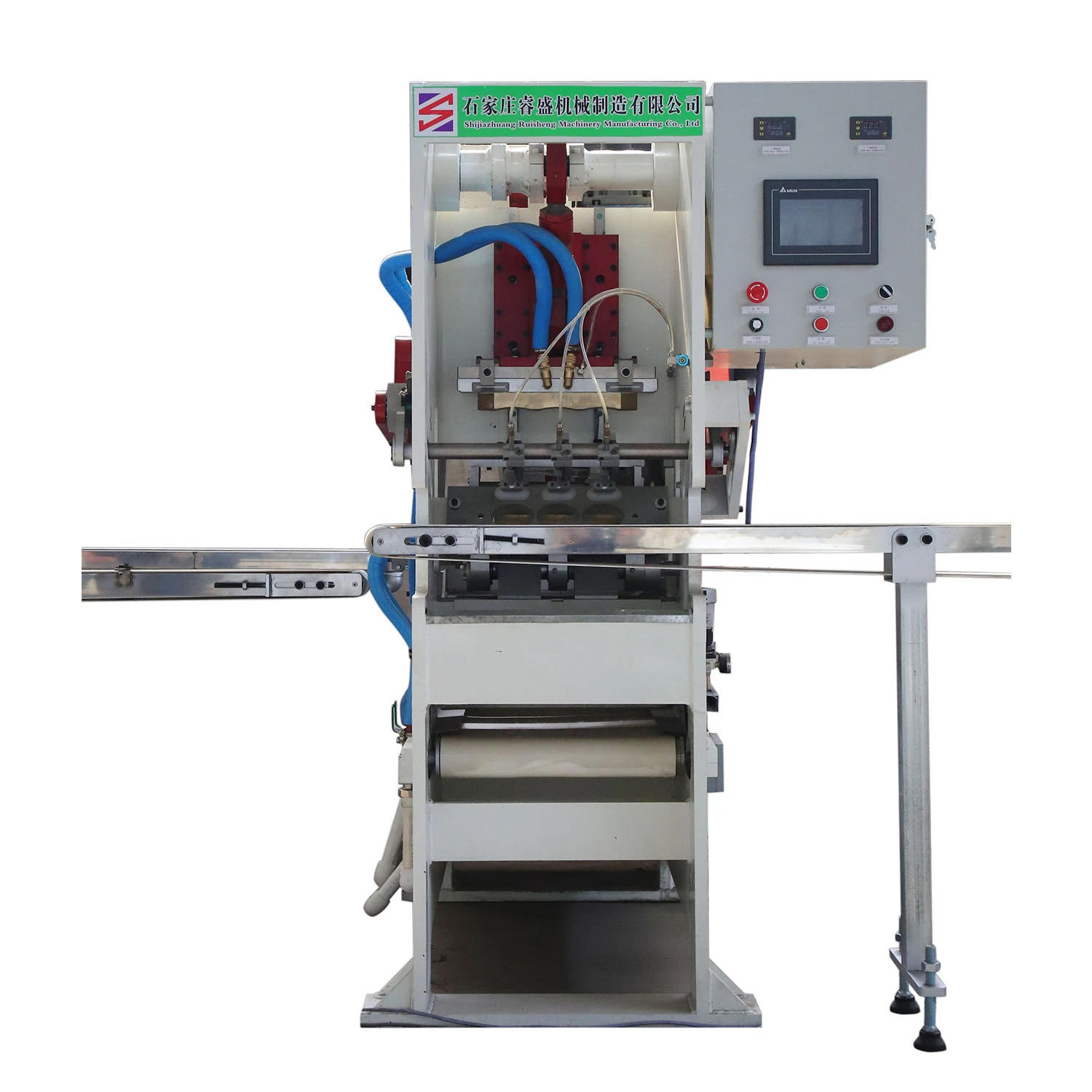
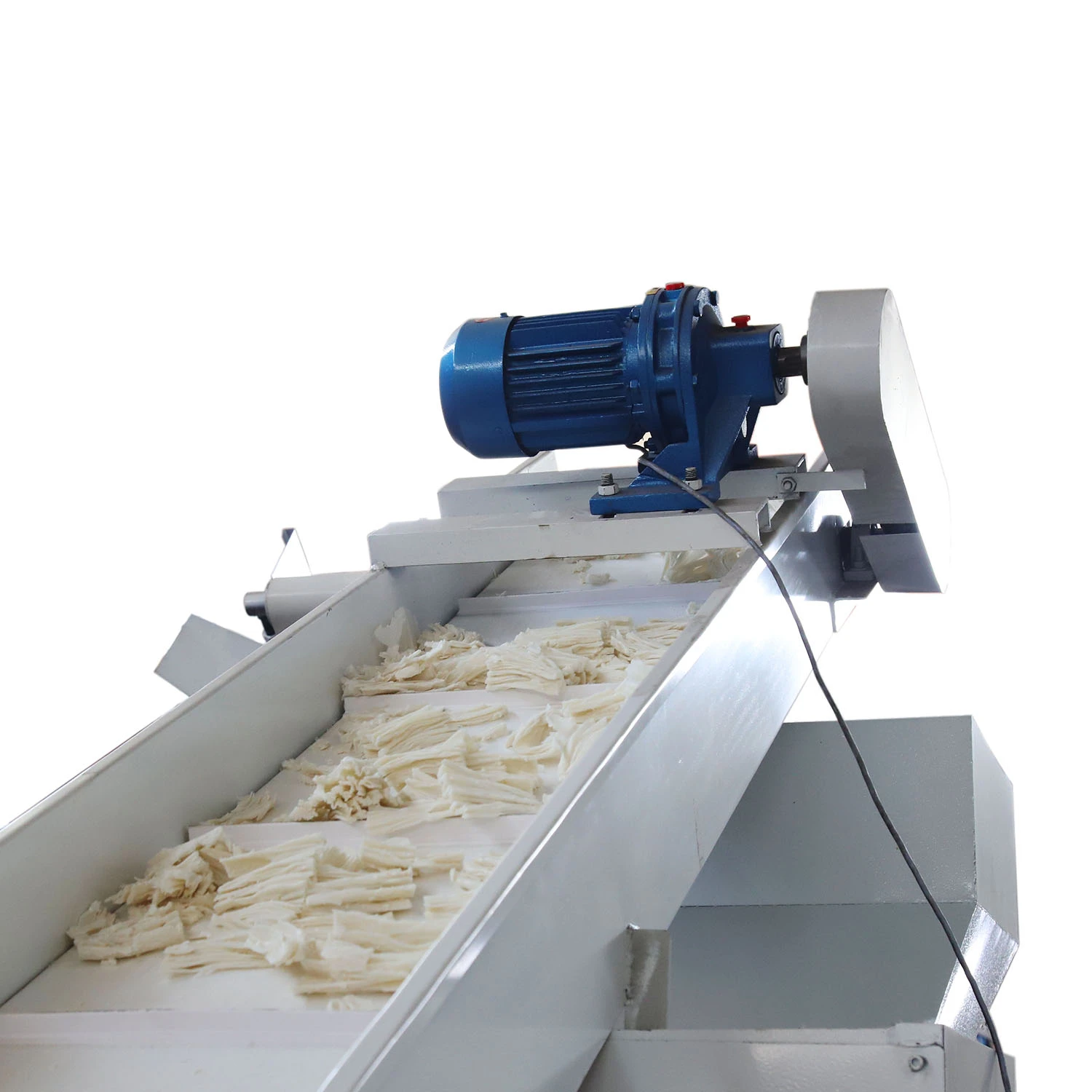
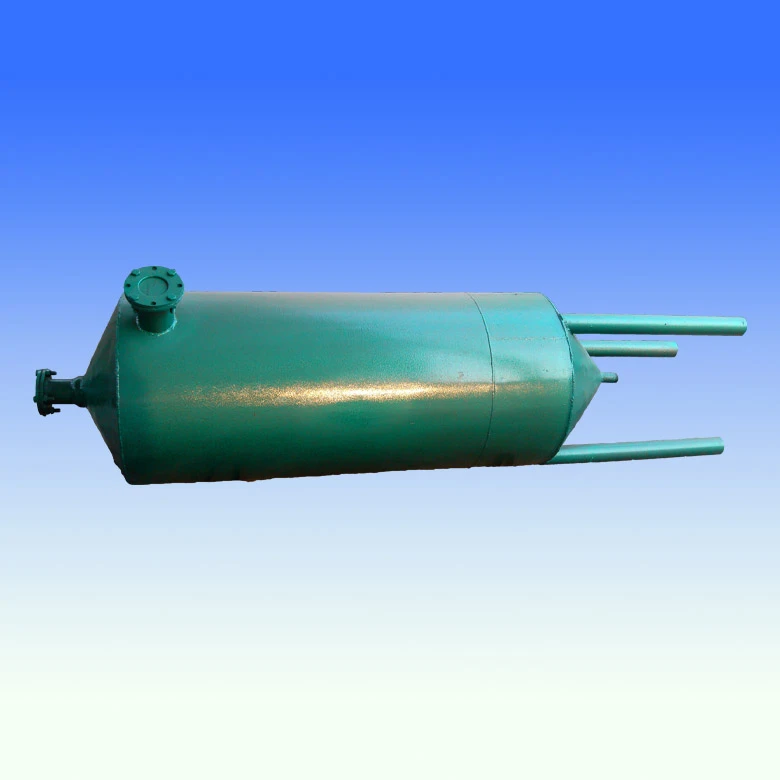
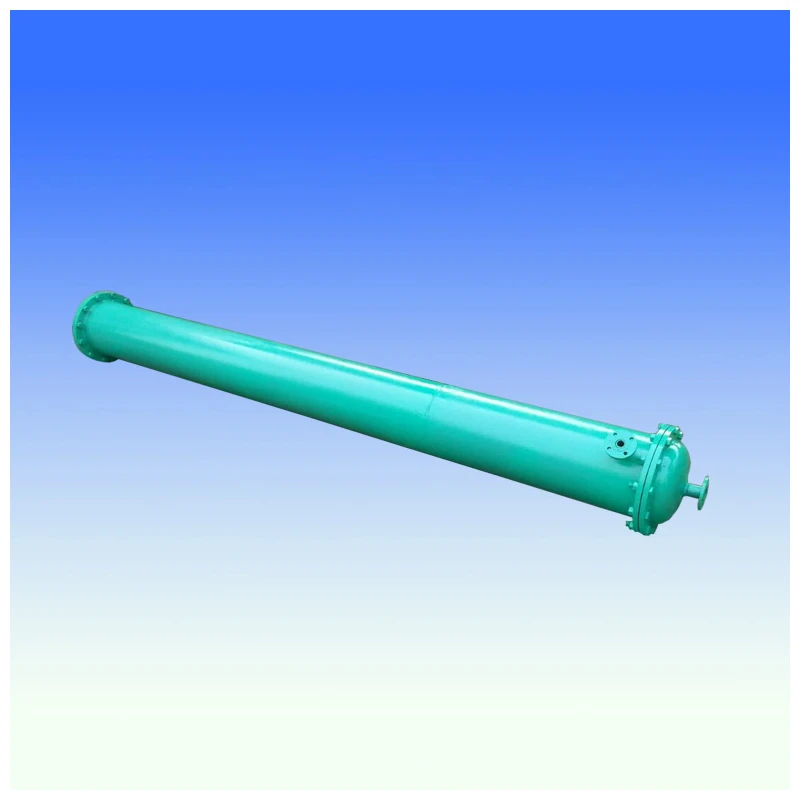
Advanced Duplex Vacuum Plodder Solutions for Soap Production in Yemen

Optimizing chemical and household soap manufacturing across Yemen with high-precision vacuum extrusion technology and durable industrial machinery.

High-Efficiency Vacuum Extrusion for Industrial Soap Making

Addressing the need for consistent product density and air-bubble removal in Yemen's soap factories through professional duplex vacuum plodder systems designed for durability.

Soap Manufacturing Landscape and Equipment Demand in Yemen

Analyzing the transition from manual processes to automated soap refining and pressing lines.

The soap manufacturing sector in Yemen is characterized by a strong demand for basic hygiene products, with a growing number of small to medium enterprises seeking to upgrade their production quality. Many local facilities rely on legacy equipment that lacks precise air extraction, leading to inconsistent bar density and aesthetic flaws in the finished product.

Logistically, the Yemeni market requires machinery that is robust and easy to maintain given the challenges of importing specialized spare parts. There is a clear shift toward integrating extruder vacuum technology to enhance the structural integrity of soap bars, ensuring they meet regional consumer expectations for hardness and longevity.

The primary barrier for many Yemeni producers is the gap between manual mixing and high-output automation. To overcome this, there is an increasing focus on procurement of reliable cold press soap machine units that can handle various raw material grades while maintaining high energy efficiency in warm climates.
Evolution of Soap Machinery Technology

From basic mechanical pressing to intelligent vacuum-assisted refining systems.

Industry Development Phases

Early Market Development
Initial production focused on manual stirring and simple open-air pressing, resulting in high air entrapment and irregular product shapes.

Mechanization and Refining
The introduction of milling rollers and basic extruders allowed for smoother textures, though vacuum capabilities remained limited and inconsistent.

Modern Vacuum Integration
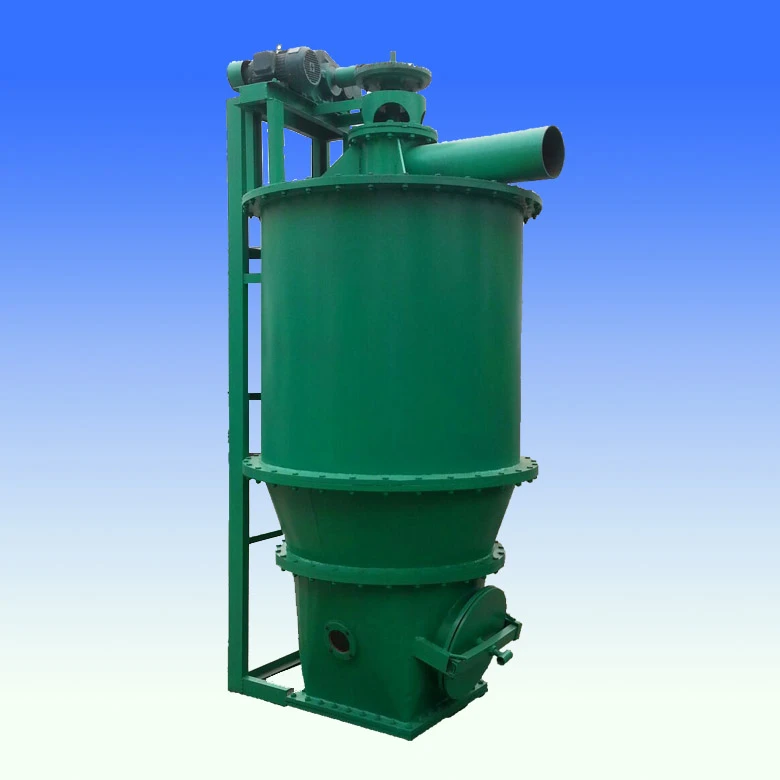
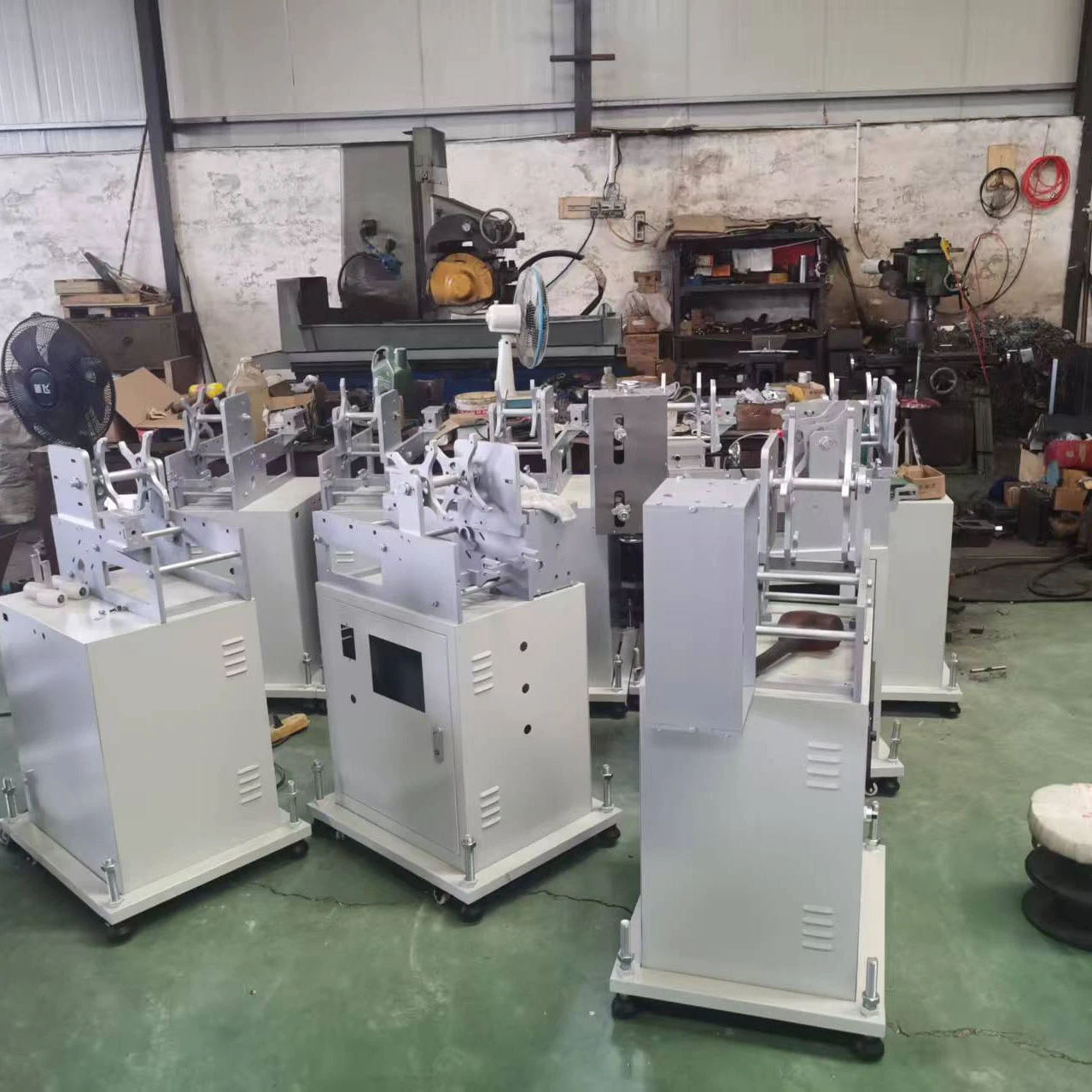
Current standards emphasize the use of soap roller machine technology and double-vacuum systems to ensure professional-grade homogeneity and surface finish.

Future Technical Trends

1. Enhanced Thermal Control

Integration of precise temperature monitoring within the plodder to prevent overheating of sensitive fragrance oils during the extrusion process.

2. Modular Production Lines

Shift towards scalable modules that allow Yemeni factories to expand from single-plodder setups to fully automated milling lines.

3. Energy-Efficient Vacuum Pumps

Development of low-power, high-suction vacuum systems to reduce operational costs in regions with unstable energy infrastructure.

How technological shifts are improving local manufacturing competitiveness.

Production Efficiency
Transitioning to double-drawing vacuum systems to double output while reducing manual handling and waste.
Process Intelligence
Using electronic dicing and automated cutting to ensure precise weight and dimensions for every bar.
Direct Procurement
Increasing trend of sourcing high-precision CNC-machined equipment directly from specialized manufacturers to reduce middleman costs.
Sustainable Materials
Adapting machinery to handle organic and biodegradable raw materials without compromising the extrusion quality.

Market Outlook for Yemen

Over the next few years, the Yemeni soap industry is expected to move toward greater standardization. The adoption of specialized equipment like the dish bar making machine will likely grow as consumer demand for diverse cleaning products increases.

This evolution will be driven by a need for higher quality control and a reduction in production downtime. Manufacturers who invest in durable, vacuum-capable machinery will be better positioned to compete with imported goods by offering superior local alternatives.

Operational Applications in Yemeni Factories

Real-world implementation of soap machinery across different production scales.

Laundry Soap Mass Production

Local manufacturers producing high-volume laundry bars use double-vacuum plodders to ensure the soap is compressed enough to prevent rapid dissolving during use, increasing product value.

Specialty Dish Bar Lines

Using a dedicated dish bar making machine to create concentrated cleaning bars with specific additives, requiring precise extrusion to maintain formula stability.

Artisan Soap Scaling

Small workshops transitioning to semi-automatic cold press machines to increase daily output from hundreds to thousands of bars while maintaining handcrafted quality.

Industrial Degreaser Bars

Factories producing heavy-duty industrial soaps utilize vacuum plodders to create extremely dense bars that withstand harsh environments and prolonged handling.

Export-Grade Quality Upgrades

Enterprises targeting neighboring markets implement three-roll grinders and vacuum extruders to achieve a mirror-smooth finish that meets international export standards.

The Heritage of Shijiazhuang Ruisheng Machinery

Decades of commitment to precision engineering and innovation in soap machinery manufacturing.

1992

Company Establishment

Founded in Shijiazhuang City, Hebei Province, beginning a journey focused on high-quality machinery manufacturing.

Recent Years

Industrial Expansion

Expanded operations to a 6000 square meter facility featuring advanced CNC machining centers and intelligent production lines, earning the Ingenuity Award and High-Tech Enterprise certification.

Comprehensive Soap Production Equipment Portfolio

Integrated solutions from refining and mixing to final extrusion and cutting for the Yemeni market.

Frequently Asked Questions for Soap Machinery in Yemen

Expert guidance on selecting and maintaining extrusion equipment in regional conditions.

What is the benefit of using a duplex vacuum plodder over a single plodder?

A duplex vacuum plodder provides two stages of air removal, which significantly reduces internal voids in the soap bar. This results in a denser, higher-quality product with a smoother finish and longer usage life for the end consumer.

How do I choose between a cold press and a hot extrusion soap machine?

The choice depends on your formula. Cold press machines are ideal for soaps that cannot withstand high heat, while vacuum extruders are preferred for high-volume industrial bars where maximum density and uniformity are required.

Why is vacuum extrusion critical for the Yemeni soap market?

Due to the variety of local raw materials, vacuum extrusion ensures that the soap mass is homogenized and air-free, preventing the bars from cracking or crumbling in Yemen's hot and dry climate.

Can these machines be customized for specific dish bar dimensions?

Yes, we provide customized nozzle and cutter configurations. Our professional team can adjust the technical specifications of the dish bar making machine to meet your exact product size and weight requirements.

What maintenance is required for a soap roller machine in dusty environments?

Regular lubrication of bearings and cleaning of the roller surfaces are essential. We recommend daily checks of the vacuum seal integrity to ensure maximum air extraction efficiency in dusty industrial settings.

How do I evaluate the ROI of upgrading to an automated soap line?

ROI is calculated by comparing the increase in hourly output and the reduction in raw material waste against the initial investment. Automated vacuum systems typically pay for themselves through lower labor costs and higher product yield.

Ready to Upgrade Your Production in Yemen?

Get expert technical support and customized quotations for high-performance soap machinery tailored to your local factory needs.

Request Information

If you are interested in our products, you can choose to leave your information here, and we will be in touch with you shortly.


phone
email
up

If you are interested in our products, you can choose to leave your information here, and we will be in touch with you shortly.