
Regional Analysis
The Soap Manufacturing Landscape in Greece
Balancing artisanal traditions with modern industrial efficiency in the Mediterranean region.
Greece possesses a deep-rooted history of soap making, particularly those utilizing olive oil and botanical extracts. Historically, the market was dominated by small-scale artisanal workshops using traditional cold-process methods. However, as demand for standardized, high-volume hygiene products grows within the EU, there is a significant transition toward semi-automated and fully automated production lines. The Greek industrial environment now requires machinery that can maintain the perceived "natural" quality of artisanal soap while achieving the precision and throughput of modern industrial manufacturing.
Current market trends in Greece indicate a shift toward "Clean Beauty" and organic certifications. This has increased the demand for machinery that prevents contamination and ensures exact ingredient dosing. Producers are increasingly investing in cold press soap machine technology and advanced vacuum plodders to eliminate the need for harsh chemical stabilizers. There is also a growing movement toward energy-efficient equipment to align with EU Green Deal initiatives, reducing the carbon footprint of the soap milling and extrusion process.
The primary opportunity for Greek producers lies in the export of premium Mediterranean soaps to the rest of Europe. To compete on a global scale, local factories must resolve bottlenecks in the finishing stage. The integration of synchronized cutting and rolling systems is no longer optional but a necessity for scaling. While the cost of upgrading machinery is a constraint for some, the long-term ROI is driven by reduced waste, lower labor costs per unit, and the ability to meet the stringent quality audits required for international distribution.
Technology Path
Evolution of Soap Extrusion Technology
From manual pressing to intelligent vacuum-driven automation.
Early Stage
Mechanical Pressing
Production relied on manual molds and simple mechanical presses. Soap bars often had uneven density and high air inclusion, limiting production to small batches with significant waste.
Growth Phase
Introduction of Vacuum
The adoption of basic vacuum plodders allowed for the removal of air pockets. This shifted the industry toward continuous extrusion, drastically increasing output and improving bar stability.
Modern Era
Precision Automation
Integration of CNC-machined screws and dish bar making machine technology allows for extreme precision, high-speed throughput, and fully synchronized production lines.
From Batch to Continuous Flow
The transition from batch processing to continuous extrusion has eliminated the downtime associated with unloading and reloading. Modern lines now allow soap mass to flow from the sigma kneader through the plodder and into the roller in one uninterrupted sequence.
Material Science Advancement
The shift from cast iron to high-grade stainless steel and hardened alloys has reduced contamination and increased the lifespan of the machinery. This ensures that soaps intended for sensitive skin remain pure and free from metallic residue.
Digitization of Process Control
Modern equipment now incorporates electronic dicing and precision timing, replacing manual estimation with digital accuracy. This ensures that every bar of soap is identical in weight and dimension, reducing raw material waste.
Future Outlook
Emerging Trends in Global Soap Manufacturing
How technology is reshaping the production of personal care products.
Smart Extrusion Control
The integration of IoT sensors in vacuum plodders allows operators to monitor pressure and temperature in real-time, adjusting parameters automatically to prevent mass overheating.
Sustainable Energy Integration
Manufacturers are moving toward energy-recovery systems and high-efficiency motors in milling lines to reduce electricity consumption per ton of soap produced.
Customized Shape Engineering
Increased demand for ergonomic and branded soap shapes is driving the development of interchangeable roller dies and flexible molding systems in production lines.
Eco-friendly Material Handling
Reduction of waste through precision cutting and the implementation of scrap-recycling conveyors that feed excess soap back into the mixer without contamination.
The trajectory of the soap industry is leaning heavily toward the convergence of traditional soap-making expertise and advanced mechanical engineering. In regions like Greece, this means maintaining the high-quality standards of natural oils while utilizing industrial-scale vacuum systems to ensure the product is competitive in the global market. The focus is no longer just on quantity, but on the consistency of the micro-structure of the soap bar, which directly affects the user's sensory experience and the product's shelf life.
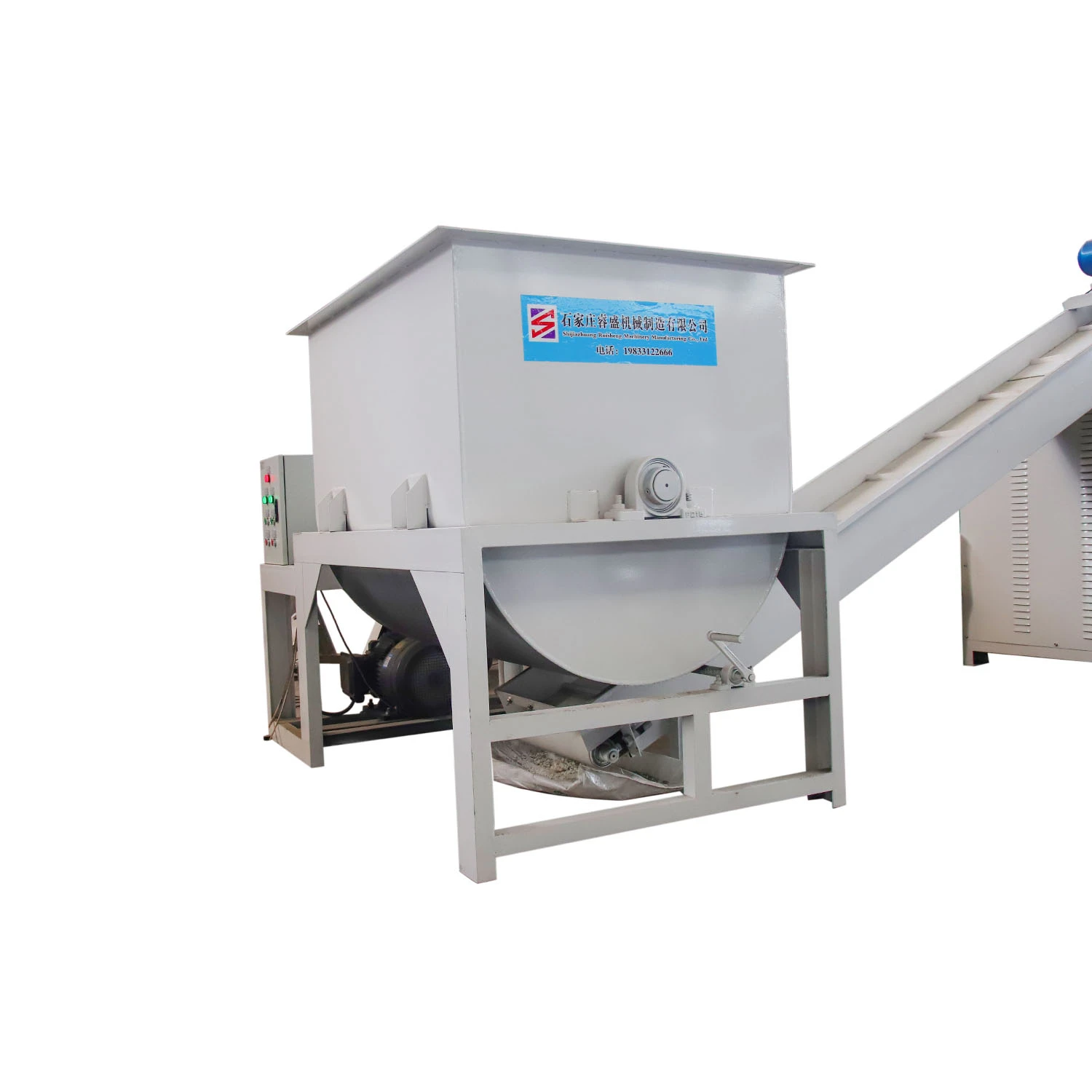
Furthermore, the shift toward automated "all-in-one" lines—combining the sigma kneader, three-roll grinder, and vacuum plodder—is reducing the physical footprint of factories. This allows producers to optimize their facility layout for better logistics and hygiene control. As regulatory pressures regarding wastewater and chemical runoff increase, the move toward closed-loop machinery systems will become the primary driver for new capital investments in the coming decade.
Real-World Application
Implementation Scenarios in the Greek Market
How our equipment solves specific production challenges in different business contexts.
01
Olive Oil Soap Production in Crete
A medium-sized producer focusing on traditional olive oil soaps faced issues with air bubbles causing the bars to crack during curing. By implementing a duplex vacuum plodder, they achieved a denser mass that cured uniformly. The vacuum technology removed internal gases, resulting in a professional, smooth finish that allowed them to enter high-end retail boutiques across Athens.
02
Industrial Dish Bar Manufacturing in Thessaloniki
A factory specializing in utility cleaning bars needed to increase throughput without sacrificing bar density. The deployment of a high-capacity dish bar making machine integrated with an automatic cutter allowed them to triple their daily output. The synchronized vacuum system ensured that the high-volume extrusion remained consistent, preventing the "soft center" common in fast-tracked production.
03
Artisanal Botanical Soap Scaling in Peloponnese
A small botanical soap brand transitioning from manual to semi-automatic production struggled with inconsistent scent distribution. By introducing a soap refining line featuring a three-roll grinder and a compact vacuum extruder, they achieved perfect homogeneity. This technical upgrade ensured that every bar contained the exact ratio of essential oils, critical for maintaining their luxury brand positioning.
04
Hygiene Product Line for Export in Athens
An export-oriented manufacturer needed to meet strict EU cosmetic certifications. They upgraded their entire line to stainless steel equipment, incorporating a cold press soap machine and vacuum plodder. This eliminated the risk of metallic contamination and provided the sanitary documentation required for EU certification, opening new markets in Germany and France.
05
Specialty Laundry Soap Production in Central Greece
A producer of high-alkaline laundry soaps experienced frequent screw wear and tear due to the abrasive nature of their ingredients. By switching to Ruisheng's hardened alloy extruder barrels and screws, they reduced their maintenance downtime by a significant margin. The improved durability of the equipment ensured a stable production cycle and lowered the total cost of ownership.
Operational Perspectives
Representative Use Cases
Illustrating the impact of precision machinery on soap production outcomes.
The transition to a double-drawing vacuum system completely solved our issue with internal soap voids. The density of the bars is now consistent across all batches, which has significantly reduced our rejection rate during the final quality check. The machinery's stability allows us to focus on fragrance development rather than troubleshooting production errors.
Integrating a professional soap roller machine with our extrusion line has streamlined our entire finishing process. We no longer face the bottlenecks associated with manual shaping. The precision of the dimensions is impressive, ensuring that our packaging fits perfectly every time, which is essential for our export shipments to the EU market.
The durability of the hardened alloy screws has been a game-changer for our specialty laundry soap line. Previously, we had to replace worn parts every few months, but the current system has shown remarkable resilience. This reliability has stabilized our production costs and increased our overall factory efficiency significantly.
Our Legacy
About Shijiazhuang Ruisheng Machinery
Three decades of engineering excellence in the specialized equipment manufacturing sector.
1992
Foundation and Early Innovation
Established in Shijiazhuang City, Hebei Province, Ruisheng began its journey with a commitment to quality and durability in machinery manufacturing, focusing on the fundamental needs of soap production factories.
Expansion Phase
Technical Infrastructure Growth
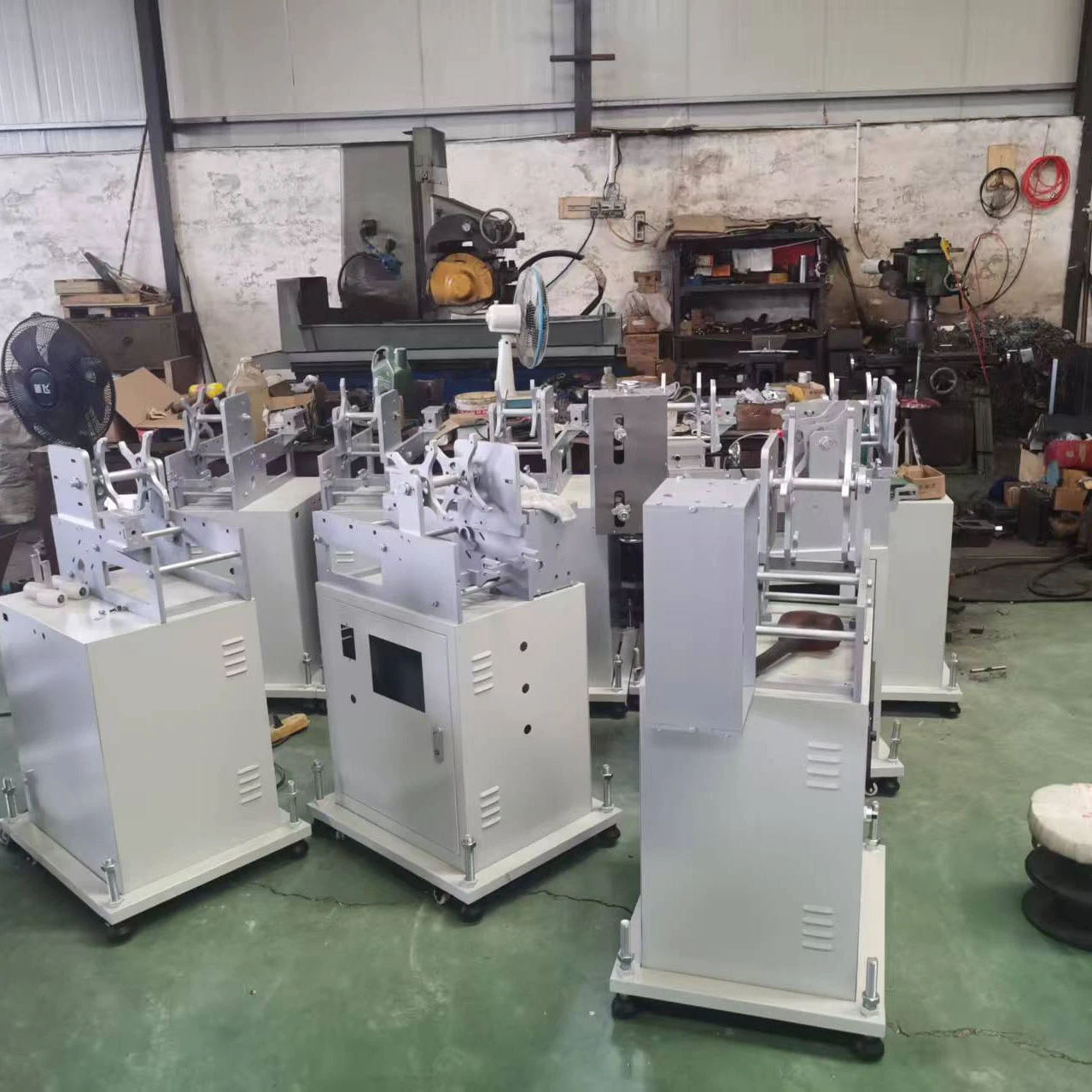
The factory expanded to cover 6000 square meters, integrating high-precision CNC machining centers and intelligent automatic production lines to ensure the highest accuracy in every component produced.
Recent Era
Global Market Penetration
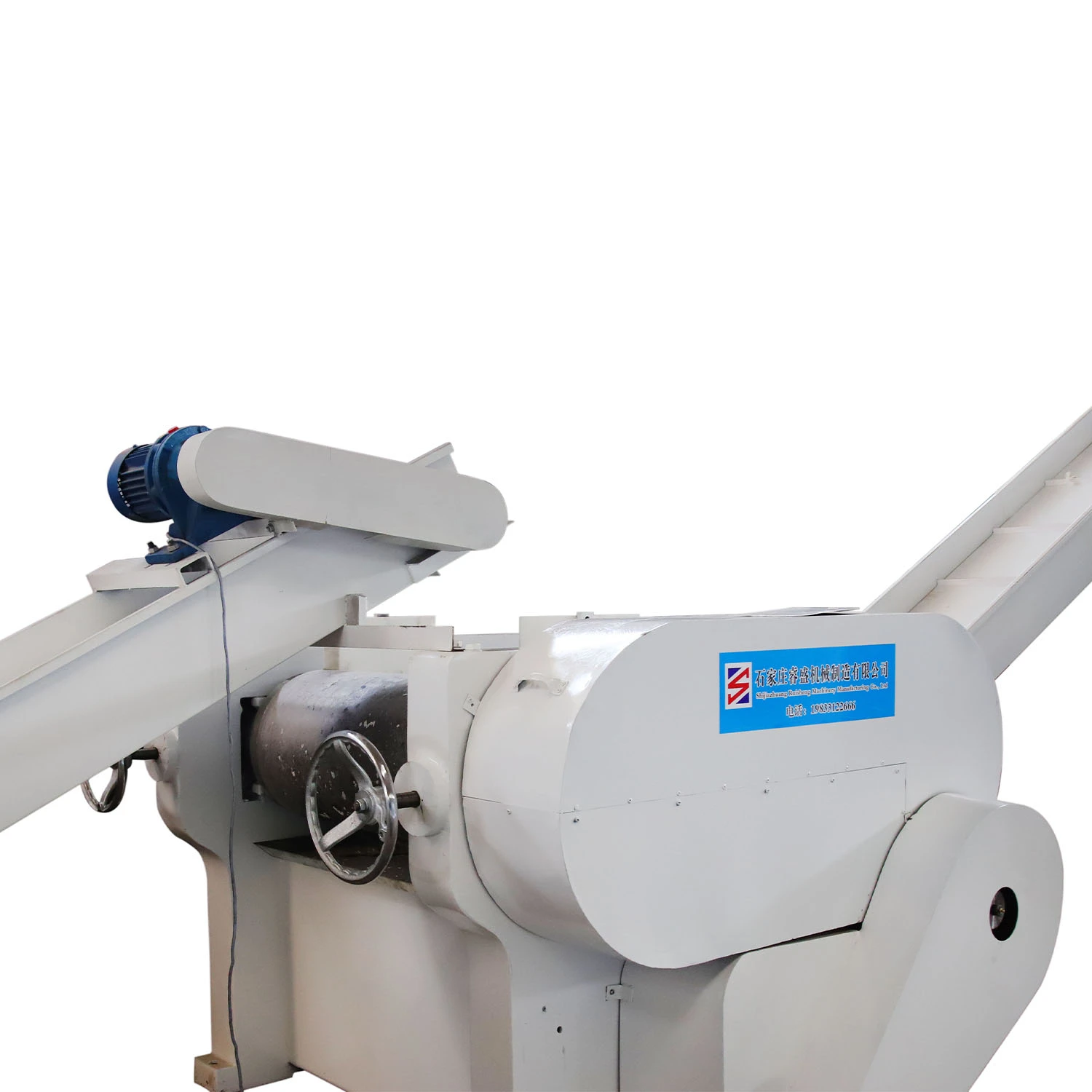
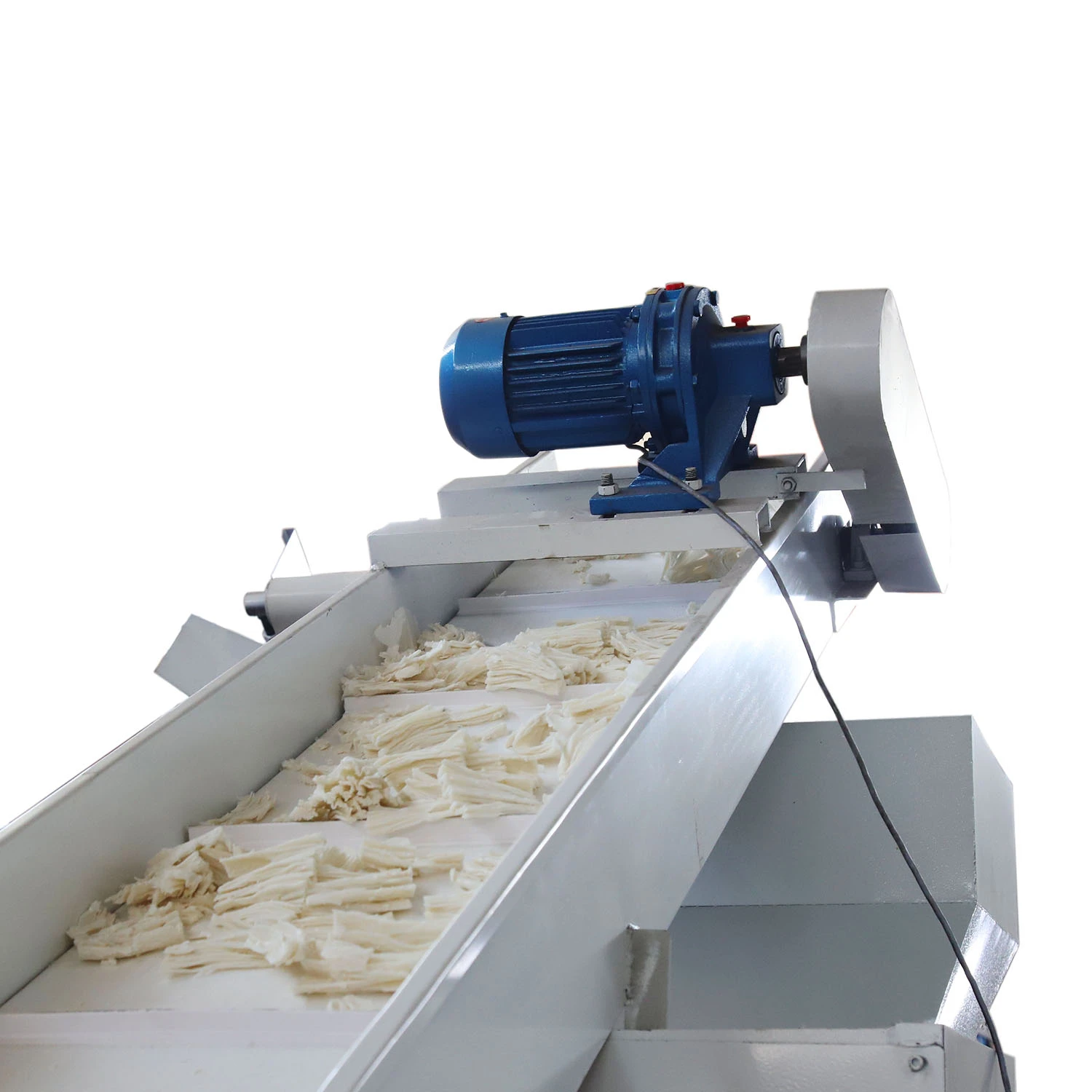
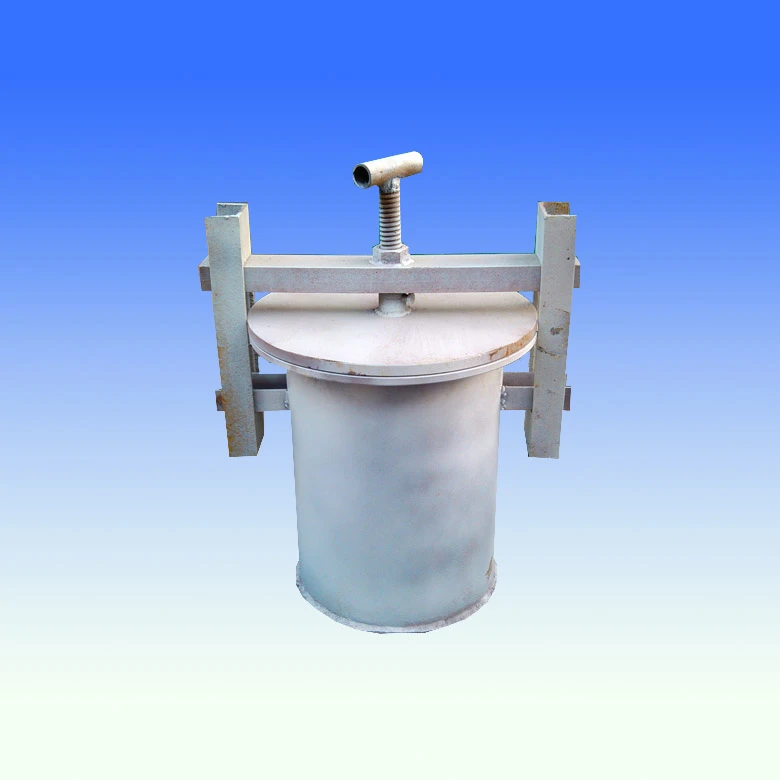
Having won the Ingenuity Award and High-Tech Enterprise certification, the company now exports to diverse markets including Ethiopia, Kenya, Algeria, the United States, and New Guinea, providing customized machinery solutions worldwide.
Buyer's Guide
Frequently Asked Questions
Technical and commercial clarifications for soap machinery investment.
What is the primary benefit of using a duplex vacuum plodder over a single-stage extruder?
A duplex vacuum plodder provides two sequential stages of vacuum de-aeration and compression. This ensures that virtually all air bubbles are removed from the soap mass, resulting in a significantly denser bar with a smoother surface. For manufacturers, this means fewer structural defects, a more professional product appearance, and increased bar longevity, which is critical for high-end soap products in the European market.
How does the vacuum system impact the preservation of essential oils in artisanal soaps?
Our vacuum systems are designed to operate with optimized thermal control. By reducing the friction generated during the extrusion process, the machinery prevents the soap mass from overheating. This is essential for artisanal soaps that use volatile essential oils, as it prevents the degradation of the fragrance and the therapeutic properties of the oils, ensuring the final product retains its original aromatic profile.
Are these machines compatible with the strict hygiene regulations required in Greece and the EU?
Yes. All components that come into direct contact with the soap mass are manufactured from high-grade stainless steel. This material choice ensures that there is no corrosion or metallic contamination, meeting the strict sanitary standards of EU cosmetic and hygiene regulations. The smooth surfaces also facilitate easy cleaning and sterilization, reducing the risk of cross-contamination between different product batches.
What maintenance is required for the extruder screws to prevent production downtime?
We use hardened alloys and precision CNC machining to minimize wear. Regular maintenance typically involves checking the vacuum seal integrity and lubricating the gearbox. Because of the wear-resistant nature of our materials, the interval between screw replacements is significantly extended compared to standard cast-iron equipment. We recommend a scheduled monthly inspection of the vacuum pump and seals to ensure peak efficiency.
Can the machinery be customized for specific soap bar shapes or sizes?
Absolutely. We provide customized nozzle designs for the plodder and interchangeable dies for the soap roller machine. Whether you are producing small guest soaps or large laundry bars, our engineering team can design a specific extrusion profile to meet your dimensional requirements. This flexibility allows producers to pivot their product line based on market demand without replacing the entire machinery setup.
What is the best way to integrate these machines into an existing manual production line?
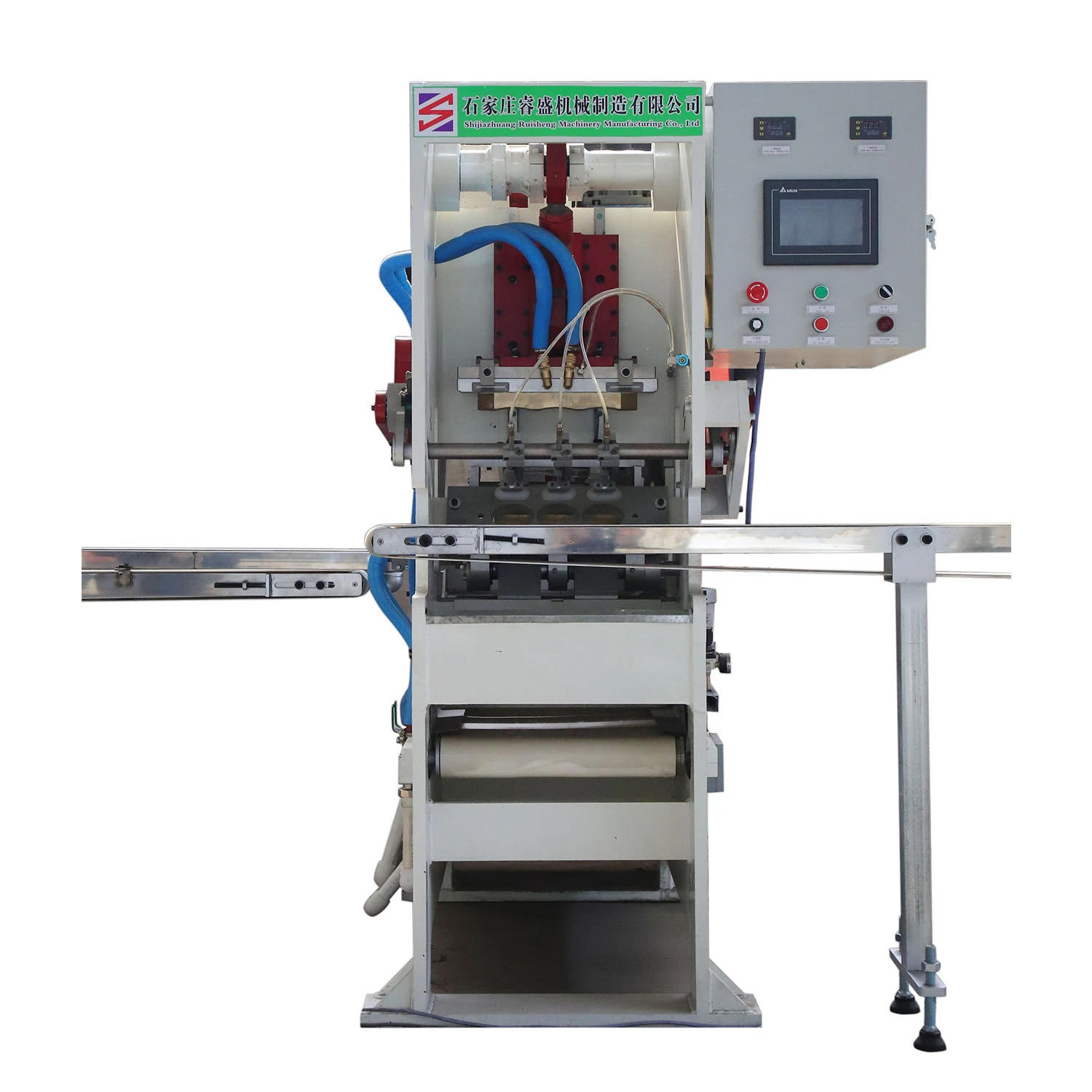
The most efficient approach is a phased integration. We recommend starting with the vacuum plodder to improve bar quality, followed by the addition of a soap roller machine for automated shaping. By creating a linear flow from the mixer to the plodder and then to the roller, you eliminate the bottlenecks associated with manual handling. Our team provides technical support to help you design the layout for optimal workflow and space utilization.
Expert Consultation
Upgrade Your Soap Production Facility in Greece
Whether you are scaling an artisanal workshop in Crete or optimizing an industrial plant in Athens, Shijiazhuang Ruisheng Machinery provides the precision engineering needed to excel. From vacuum plodders to automated rolling systems, we help you achieve EU-standard quality with maximum efficiency. Contact our technical team today to discuss your specific requirements and receive a detailed production solution.
Discuss Your Requirements


