
Regional Analysis
The Soap Manufacturing Landscape in Sri Lanka
Understanding the intersection of local demand and industrial capability.
Sri Lanka possesses a robust consumer market for both laundry and toilet soaps, driven by a strong cultural emphasis on hygiene and the availability of local raw materials. The manufacturing sector ranges from small-scale artisanal workshops to large industrial plants. However, the industry often struggles with the transition from traditional semi-manual processes to fully automated lines. The local environment, characterized by high humidity, places additional stress on machinery and affects the drying and curing phases of soap production, making precise extrusion critical.
Current market trends indicate a shift toward "premiumization," where consumers demand soaps with smoother textures, specific fragrance retentions, and more complex shapes. This has increased the demand for sophisticated machinery like the duplex vacuum plodder, which allows for better air removal and a more refined final product. Furthermore, there is a growing movement toward energy-efficient production to offset rising utility costs, pushing factories to upgrade from aging equipment to modern, CNC-machined systems that offer higher output per kilowatt.
The primary opportunity for Sri Lankan manufacturers lies in upgrading their technical infrastructure to meet international export standards. While constraints such as initial capital investment exist, the long-term ROI of automated vacuum extrusion is clear: lower waste, higher consistency, and reduced labor costs. The outlook for the industry is positive, with a projected increase in the adoption of integrated milling lines that combine mixing, refining, and plodding into a single, cohesive operational flow to maximize efficiency.
Technological Journey
The Evolution of Soap Extrusion Technology
From manual pressing to intelligent vacuum-controlled systems.
Early Phase
Manual Compaction
Early production relied on simple mechanical presses. This resulted in high air inclusion, inconsistent density, and significant manual labor, leading to low-quality bars with a short shelf life.
Development Phase
Mechanical Plodding
The introduction of the plodder allowed for continuous extrusion. While output increased, the lack of vacuum control meant that air bubbles still plagued the product, limiting the soap's premium appeal.
Current Phase
Vacuum Optimization
Modern systems now integrate high-power vacuum pumps and duplex extrusion, removing nearly all air and ensuring a perfectly smooth, high-density bar ready for precise cutting.
Shift to Automation
The industry is moving away from fragmented machines toward integrated lines. This reduces the "touch-time" of the soap mass, preventing contamination and maintaining temperature stability during the extrusion process.
Material Science Integration
Advancements in screw metallurgy, such as the use of specialized wear-resistant alloys, have extended the lifespan of plodders, reducing the total cost of ownership for factory operators.
Precision Vacuum Control
Modern vacuum systems are no longer just "on or off." Variable vacuum pressure allows manufacturers to adjust the density of the soap based on the specific formula (e.g., glycerin-rich vs. laundry soap).
Future Outlook
Emerging Trends in Global Soap Manufacturing
How technology is redefining the standards of soap production.
Intelligent Process Monitoring
Integration of sensors to monitor pressure and vacuum levels in real-time, allowing for automatic adjustments to ensure consistent bar density across different batches.
Eco-Friendly Energy Recovery
Designing extrusion lines that recapture heat from the motors to pre-warm the soap mass, significantly reducing the overall carbon footprint of the production facility.
Modular Equipment Design
The move toward modular plodders that can be easily scaled or reconfigured to handle different production volumes without requiring a full plant redesign.
High-Precision Shape Molding
Integration of advanced nozzles and cold-press technology to create complex, ergonomic soap shapes that appeal to modern consumer aesthetics.
The convergence of digital control and mechanical precision is transforming the soap industry from a craft-based approach to a scientific manufacturing process. In regions like Asia, the adoption of these technologies is driven by the need to compete with global brands on quality while maintaining local cost advantages. The focus is now on the "total lifecycle" of the machine, where predictive maintenance and energy efficiency are as important as the hourly output.
Furthermore, the industry is seeing a rise in specialized soap lines—such as organic or medical-grade soaps—which require extremely gentle but thorough extrusion to preserve active ingredients. This requires a highly tunable vacuum plodder that can adjust its compression ratio and air-removal rate without overheating the soap mass, ensuring that the chemical properties of the product remain intact throughout the production cycle.
Application Cases
Practical Deployment Scenarios in Sri Lanka
How our machinery solves real-world production challenges across different scales.
01
Medium-Scale Laundry Soap Plant in Colombo
A facility producing high-volume laundry bars faced significant "air-pocket" issues that led to fragile bars. By installing a duplex vacuum plodder, they replaced a single-stage extruder. The dual-stage vacuum removal eliminated internal voids, increasing the bar's structural strength and reducing waste by ensuring consistent weight across all extruded blocks.
02
Artisanal Toilet Soap Workshop in Kandy
A producer of high-end fragranced soaps struggled with a "grainy" texture that discouraged premium buyers. The implementation of a soap roller machine as part of a refining line ensured the soap mass was perfectly smooth. This transition from simple mixing to professional refining allowed the operator to command a higher market price due to the superior skin-feel.
03
Industrial Soap Base Manufacturer in Gampaha
A supplier of soap bases to other factories required a high-throughput system that could handle various formulas. By deploying an extruder vacuum setup, they achieved a consistent density across different batches. The ability to precisely control the vacuum pressure meant they could produce both soft and hard bases on the same line with minimal reconfiguration.
04
Specialty Dish Bar Line in Jaffna
A manufacturer specializing in dish-washing bars needed a way to maintain a specific "hard-press" density to ensure the bars didn't dissolve too quickly. The introduction of a dish bar making machine provided the necessary compression ratio. This resulted in a product with a longer usage life, directly increasing customer satisfaction and brand loyalty.
05
Eco-Friendly Soap Startup in Galle
A startup using organic oils faced challenges with inconsistent viscosity in their soap mass. By using a cold press soap machine, they were able to form bars without applying excessive heat, which preserved the natural properties of their organic ingredients while ensuring the bars were firm and professionally shaped.
Operational Perspectives
Representative Deployment Insights
Illustrative outcomes from typical soap production environments.
In a typical high-volume environment, the transition to duplex vacuum extrusion solves the most persistent problem: internal air bubbles. Operators find that the density of the bar becomes uniform, which drastically reduces the amount of scrap produced during the cutting phase, directly impacting the daily profit margin.
For specialty soaps, the critical factor is the refining stage. Using a professional roller machine instead of simple mixers changes the product's market positioning. The resulting smooth texture is what allows a local brand to compete with imported premium soaps in the retail sector.
The reliability of the screw metallurgy is often overlooked until a machine fails. High-precision CNC-machined components significantly extend the time between maintenance intervals, which is vital in regions where specialized replacement parts may have long lead times.
Our Heritage
Shijiazhuang Ruisheng Machinery Manufacturing
Decades of dedication to precision engineering and soap production technology.
1992
Company Foundation
Established in Shijiazhuang City, Hebei Province, the company began its journey with a commitment to quality and innovation in the machinery manufacturing sector, focusing on durable industrial equipment.
Growth Phase
Facility Expansion
Expanded to a modern 6000 square meter production area, integrating high-precision CNC machining centers and intelligent automatic production lines to guarantee product consistency.
Recognition
Industry Awards
Earned the Ingenuity Award, high-tech enterprise certification, and the industry quality gold award, solidifying its position as a leader in vacuum soap machinery.
Global Reach
International Export
Successfully expanded into markets including Ethiopia, Kenya, Zambia, Algeria, Nigeria, Cuba, Ghana, Uganda, Angola, the United States, and New Guinea.
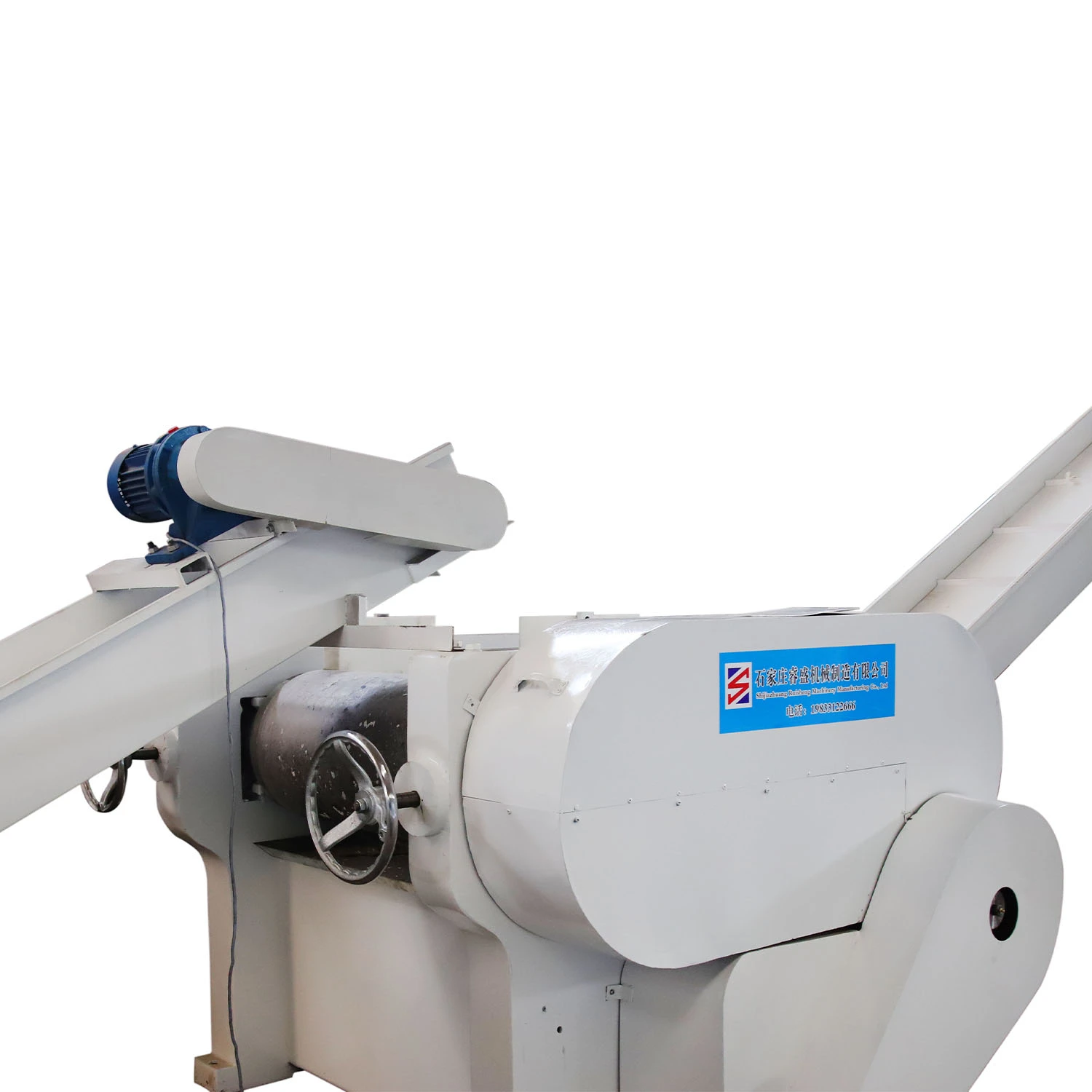
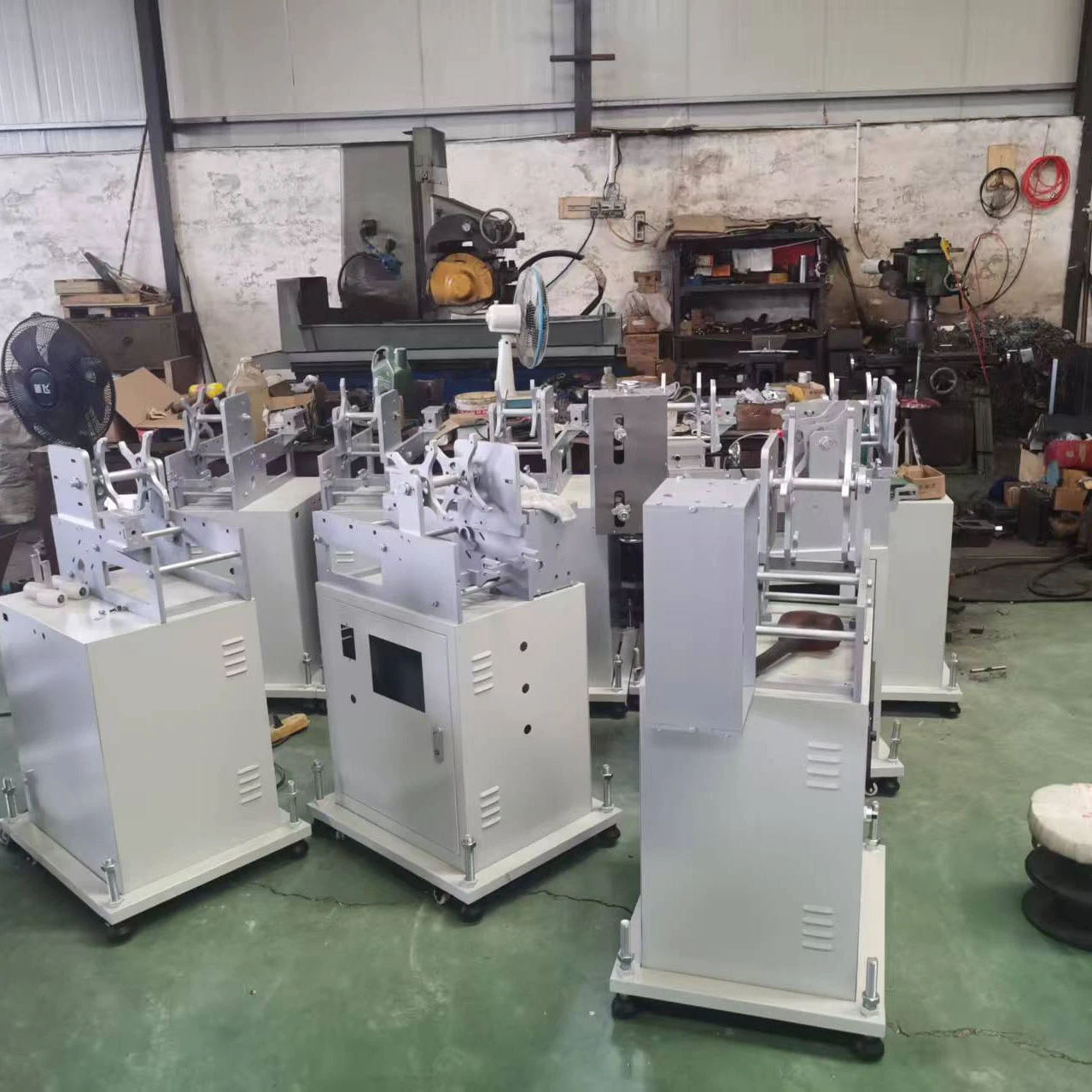
Three Roll Mill (S405)
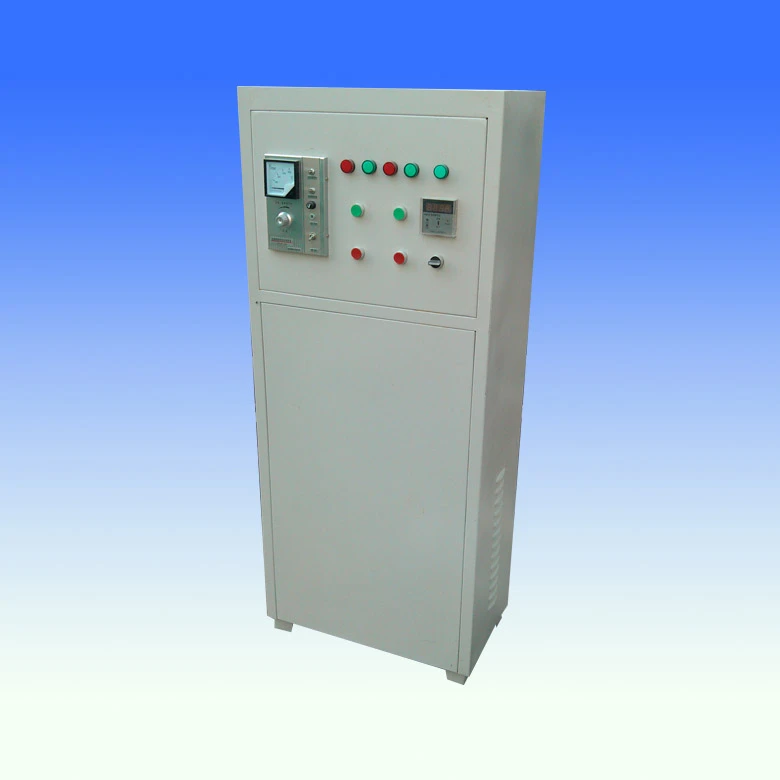
Power Distribution Cabinet
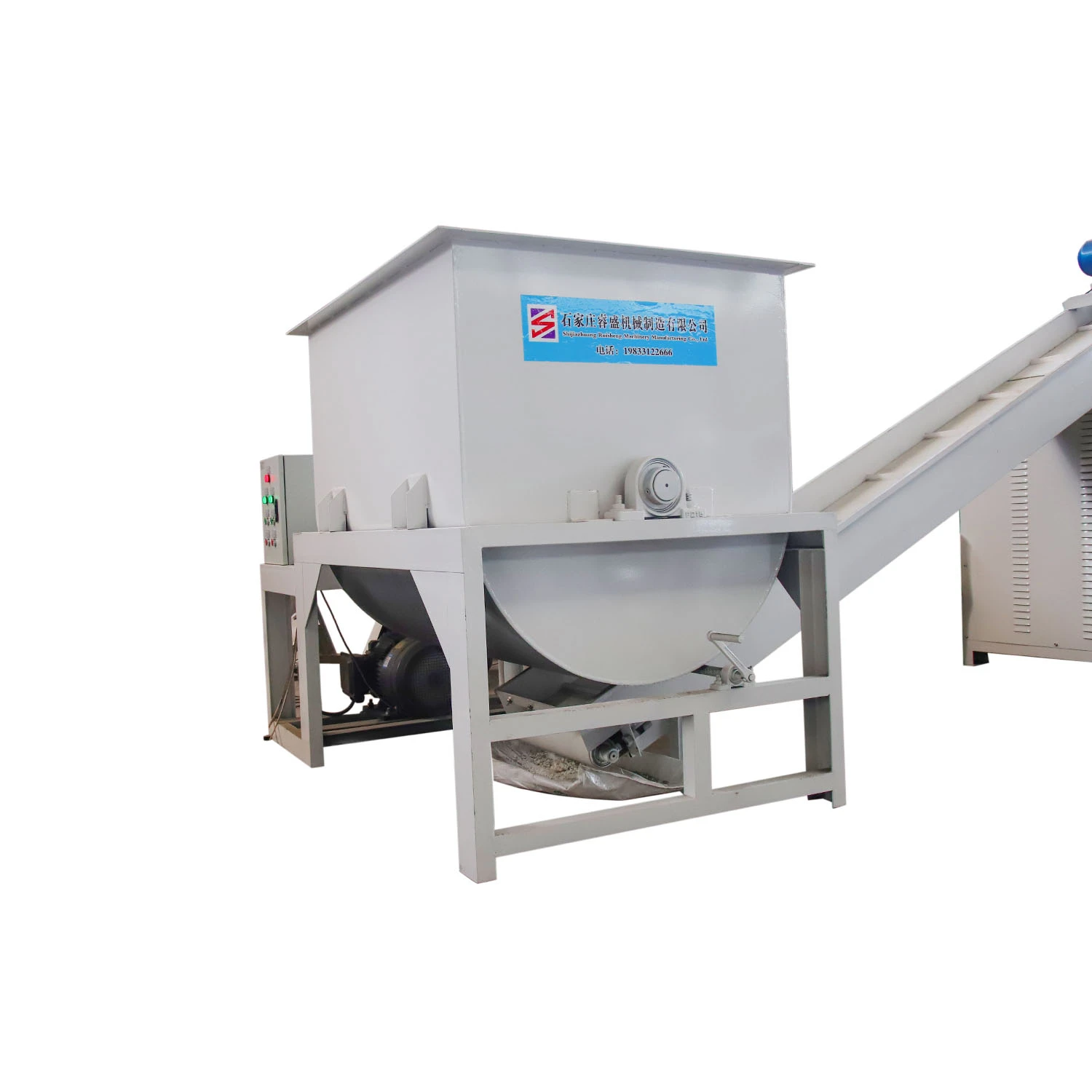
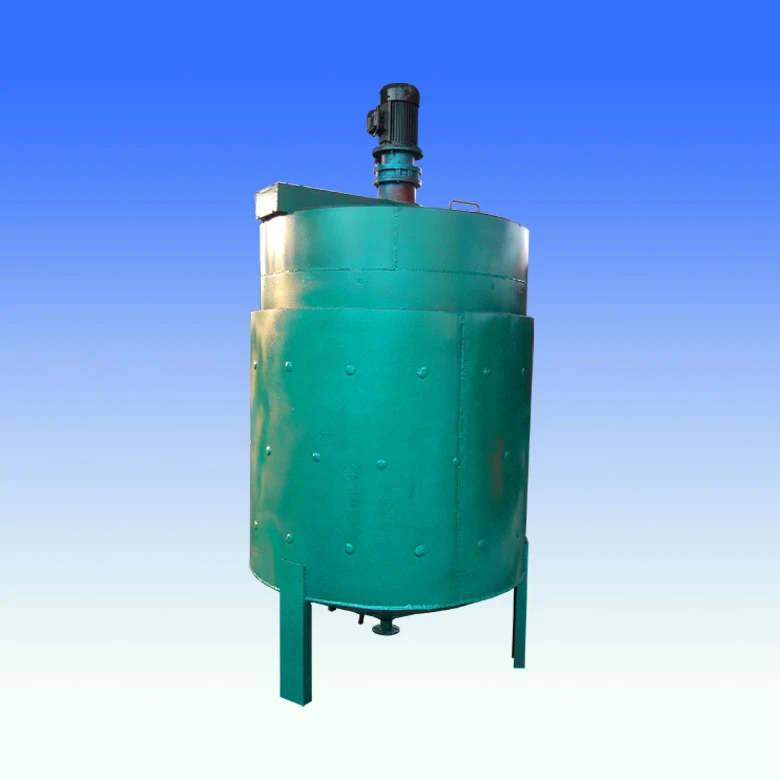
Mixer (Model 1000) 23000
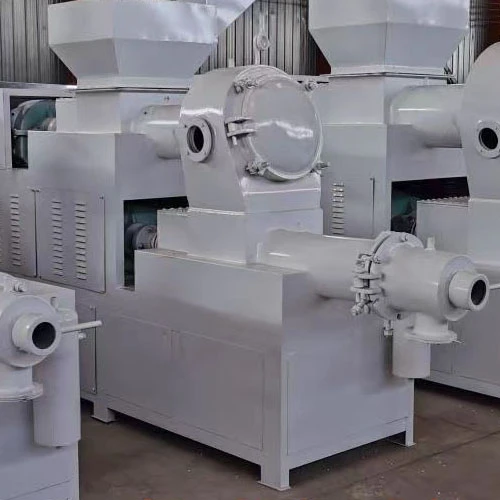
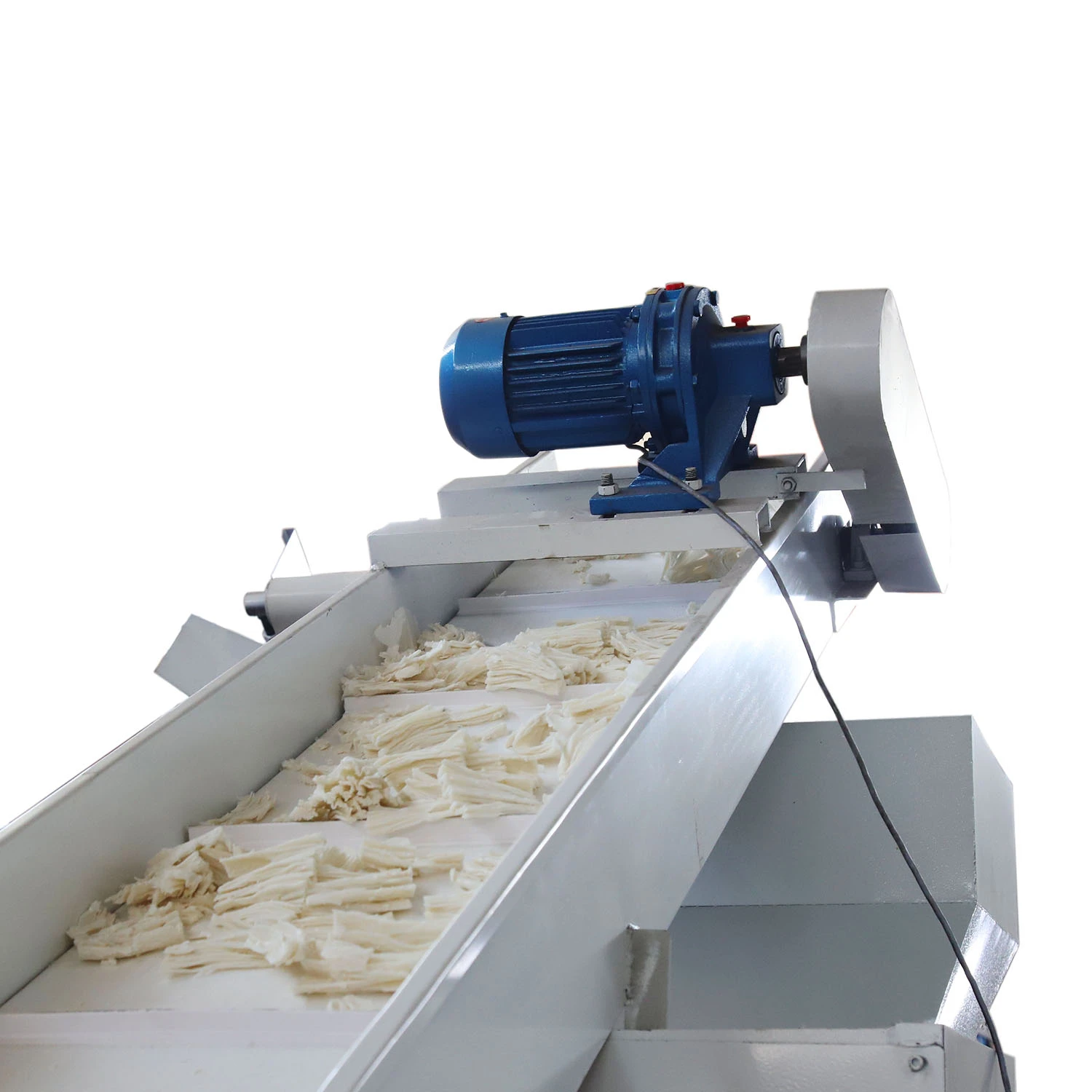
Double Vacuum Stripper (Model 325) 92000
Technical Support
Frequently Asked Questions
Expert answers to common queries regarding soap extrusion and vacuum systems.
What is the main advantage of a duplex vacuum plodder over a single-stage extruder?
The main advantage is the significantly higher efficiency of air removal. A duplex system uses two stages of vacuum and compression, which ensures that virtually all microscopic air bubbles are extracted from the soap mass. This results in a much denser, more homogenous bar that is less prone to cracking and has a more professional, glossy surface finish compared to single-stage machines.
How does a soap roller machine improve the final quality of the bar?
A soap roller machine, or three-roll grinder, performs the critical task of refining. It crushes any remaining soap lumps and homogenizes the additives and fragrances into the base. This process eliminates the "grainy" texture often found in lower-quality soaps, producing a smooth, creamy consistency that is essential for premium toilet soaps and skin-care bars.
Can these machines be adapted for the humid climate in Sri Lanka?
Yes, our machinery is designed for global deployment. We use high-grade, corrosion-resistant materials and precision-sealed components to prevent humidity from affecting the mechanical performance. Furthermore, the high-efficiency vacuum systems are specifically beneficial in humid environments as they ensure a dense bar that resists moisture-induced degradation during the curing process.
What maintenance is required for a vacuum extruder to ensure longevity?
Regular maintenance focuses on three areas: lubrication of the gearbox, inspection of the vacuum pump seals, and monitoring the wear of the extruder screws. Because we use CNC-machined high-alloy steels, the screws have a long life, but periodic checks ensure that the compression ratio remains constant, which is key to maintaining a consistent bar density.
How do I choose between a cold press soap machine and a standard plodder?
The choice depends on your product formula and desired finish. A standard plodder is ideal for general laundry and toilet soaps. A cold press machine is preferred for specialty soaps (like organic or glycerin bars) where you want to avoid excessive frictional heat that could degrade sensitive ingredients, while still achieving a firm, well-defined shape.
What is the first step in upgrading my current soap production line?
The first step is to conduct a production audit to identify your main bottleneck—whether it is texture, air entrapment, or output volume. We recommend starting with a vacuum extruder if you have quality issues (bubbles/cracks) or a refining roller if you have texture issues. Contacting our technical team with your current output and formula allows us to provide a customized equipment configuration.
Consult Our Experts
Ready to Elevate Your Soap Production Standards in Sri Lanka?
Whether you are scaling up a local workshop or optimizing an industrial plant, our team provides the technical expertise and high-precision machinery needed to eliminate production defects. From vacuum plodders to complete refining lines, we help you achieve international quality standards. Discuss your specific production requirements with our engineers today for a detailed technical quotation.
Discuss Your Requirements


