
Market Insights
The Soap Manufacturing Landscape in Slovakia
Analyzing the transition from traditional soap making to high-efficiency industrial production.
Slovakia's soap manufacturing sector is characterized by a blend of boutique organic producers and medium-scale industrial plants. The market is increasingly influenced by stringent European Union regulations regarding chemical safety and environmental sustainability. In this environment, the demand for machinery that ensures complete material utilization and minimizes waste is paramount. Operators in the region are shifting away from basic mixing toward integrated lines that can handle specialized formulations, including glycerin-based and natural soaps, which require precise thermal and pressure control during the extrusion phase.
Current market trends indicate a strong push toward automation to combat rising labor costs across Central Europe. There is a notable transition from manual pressing to the adoption of the cold press soap machine and automated vacuum plodders. This shift is driven by the need for higher throughput without compromising the structural integrity of the soap bar. Furthermore, there is a growing preference for energy-efficient machinery that reduces the carbon footprint of the production process, aligning with the broader "Green Deal" initiatives prevalent in the European industrial sector.
The primary opportunity for Slovakian producers lies in the diversification of product lines, such as luxury dish bars and specialized industrial cleaners. However, constraints remain in the form of high initial capital expenditure for top-tier automation. The outlook suggests that modular production lines—where components like the dish bar making machine can be integrated into existing workflows—will become the dominant investment strategy. Success in this market will depend on the ability to balance high-volume output with the artisanal quality expectations of the European consumer.
Technological Journey
Evolution of Soap Extrusion Technology
From manual molding to intelligent vacuum-assisted processing.
Early Stage
Manual Plodding
Production relied on simple mechanical presses and manual molding. Air entrapment was common, and production speeds were limited by human capacity, leading to high variance in bar quality.
Growth Phase
Vacuum Integration
The introduction of vacuum chambers allowed for the removal of air during the extrusion process. This marked a transition toward industrial-grade consistency and the elimination of internal voids.
Current Era
Intelligent Automation
Modern systems now integrate CNC-precision components and automated control panels, allowing for rapid product changeovers and optimized energy consumption across the production line.
Material Science Advancement
The shift toward using specialized stainless steels and hardened alloys has drastically reduced the frequency of equipment failure. Modern extruders are now designed to withstand the corrosive nature of various soap bases while maintaining tight tolerances for a smoother finish.
Precision Vacuum Control
Earlier vacuum systems were binary (on/off). Current technology employs variable vacuum levels that can be adjusted based on the viscosity of the soap mass, ensuring that different formulations are processed with optimal air extraction.
Modular Line Architecture
The industry has moved toward a "plug-and-play" modular approach. This allows manufacturers to start with a basic extruder vacuum unit and gradually add dicing, stamping, and wrapping machines as their business scales.
Future Outlook
Emerging Trends in Soap Manufacturing
Key drivers shaping the next decade of personal care product manufacturing.
Smart Process Monitoring
The integration of IoT sensors into plodders allows for real-time monitoring of pressure and temperature. This prevents batch failures by alerting operators to deviations before they affect the final product.
Eco-Friendly Formulations
With a rise in organic soap demand, machinery must now handle more diverse and sometimes less stable raw materials. This requires more flexible extrusion settings to avoid overheating natural oils.
Zero-Waste Production
Advanced recycling systems are being integrated into the plodding stage, allowing scrap soap to be reintroduced into the vacuum extruder without affecting the quality of the virgin batch.
Customized Bar Geometry
Demand for ergonomically shaped bars is increasing. This trend is driving the development of interchangeable nozzle systems for plodders, allowing for rapid shifts in product shape.
The convergence of these trends points toward a future where soap production is less about bulk output and more about precision customization. The ability to pivot between a standard laundry soap and a high-end organic beauty bar on the same production line will be a key competitive advantage. This requires machinery that is not only robust but also highly adaptable, featuring digital interfaces that store specific profile settings for different product recipes, thereby eliminating the trial-and-error period during changeovers.
Moreover, the impact of global supply chain volatility is pushing European manufacturers to optimize every gram of raw material. Vacuum technology plays a critical role here, as it ensures that the soap mass is perfectly compacted, reducing the amount of scrap generated during the cutting and stamping process. As the industry moves toward a circular economy, the integration of high-efficiency extrusion systems will be the primary driver for reducing operational costs and enhancing product marketability.
Practical Applications
Deployment Scenarios in Central Europe
How our machinery solves real-world production challenges in different settings.
01
Medium-Scale Industrial Plant upgrading to Vacuum Extrusion
A manufacturer transitioning from basic plodders to a duplex vacuum system to meet higher EU quality standards. By removing air pockets, the plant reduces its rejection rate of fragile bars by a significant margin. The integrated vacuum ensures that every bar has a consistent density, which is critical for the automated stamping machines used later in the line, resulting in a more professional retail product.
02
Artisanal Soap Collective scaling to Commercial Volume
A group of producers moving from hand-pouring to a cold press soap machine. Facing the challenge of maintaining "handmade" quality at scale, they implement low-temperature extrusion to preserve the integrity of organic essential oils. This allows them to increase output while ensuring that the scent and skin-feel of their products remain consistent across thousands of units.
03
Specialized Facility for Dish and Laundry Bar Production
A plant focusing on high-utility soaps where structural hardness is the primary requirement. By utilizing a dish bar making machine with high-pressure extrusion, the operator achieves a denser bar that lasts longer for the end-user. This increased density is achieved through the precise coordination of screw speed and vacuum pressure, ensuring no air is trapped in the harder mass.
04
Cosmetic Laboratory expanding into Trial Production
A R&D facility requiring small-batch, high-precision extrusion to test new formulations. They utilize modular extruder vacuum units that allow for rapid cleaning and reconfiguration. This enables the team to test how different additives affect the flow and density of the soap without needing a full-scale production line, drastically shortening the time-to-market for new products.
05
Eco-Conscious Manufacturer optimizing for Zero-Waste
A plant implementing a closed-loop system where cutting scraps are immediately fed back into a soap roller machine and then through a vacuum plodder. The vacuum system is essential here to remove any air introduced during the scrap collection process, ensuring that the recycled material doesn't create weak spots in the new bars, effectively achieving zero-material waste.
Representative Use Cases
Operator Perspectives on Equipment Performance
Illustrating the impact of precision machinery on production outcomes.
In a typical industrial upgrade, moving to a duplex vacuum plodder solves the chronic issue of internal air bubbles. This result is a noticeably smoother surface finish and a significant reduction in bar breakage during the automated packaging phase, which directly improves the overall yield per batch.
For producers focusing on natural soap, the transition to cold press machinery is essential. Maintaining low temperatures during extrusion ensures that the volatile fragrances and organic oils are not destroyed by friction, preserving the therapeutic properties and scent profile of the final product.
Integrating a dedicated dish bar making machine allows for the production of high-density cleaning bars. The ability to control pressure and vacuum levels means we can produce a harder bar that meets specific industrial durability requirements without compromising the chemical blend.
Our Legacy
Shijiazhuang Ruisheng Machinery Manufacturing
Three decades of excellence in professional soap machinery engineering.
1992
Foundation and Early Innovation
Established with a commitment to quality, the company began its journey in machinery manufacturing, focusing on providing reliable tools for the soap production industry and building a reputation for durability.
Development Phase
Expansion of Technical Capability
The factory expanded to 6,000 square meters, integrating advanced CNC machining centers and intelligent automatic production lines. This allowed for the development of high-precision vacuum double-drawing machines and refining equipment.
Current Era
Global Market Reach
Now a recognized leader with a 50% professional technical staff ratio, exporting high-performance soap machinery to Ethiopia, Kenya, the USA, and beyond, winning numerous quality and high-tech enterprise certifications.
Expert Advice
Soap Machinery Technical FAQ
Answers to the most critical questions regarding equipment selection and operation.
What is the primary advantage of a duplex vacuum plodder over a single-stage extruder?
The primary advantage is the significantly more efficient removal of air from the soap mass. A duplex system provides two stages of vacuum extraction and compression, which ensures that even the most viscous soap bases are completely deaerated. This prevents the formation of internal voids and "honeycombing" in the final bar, resulting in a denser, more stable product with a superior smooth finish and higher structural integrity.
How does a cold press soap machine differ from traditional hot extrusion?
Cold press machinery is designed to minimize frictional heat during the extrusion process. While traditional extruders may rely on heat to soften the mass, cold press systems use optimized screw geometries and precise speed controls to process the soap without causing thermal degradation. This is critical for organic or luxury soaps where heat would otherwise evaporate essential oils or alter the chemical properties of natural additives.
Can these machines be integrated into an existing Slovakian production line?
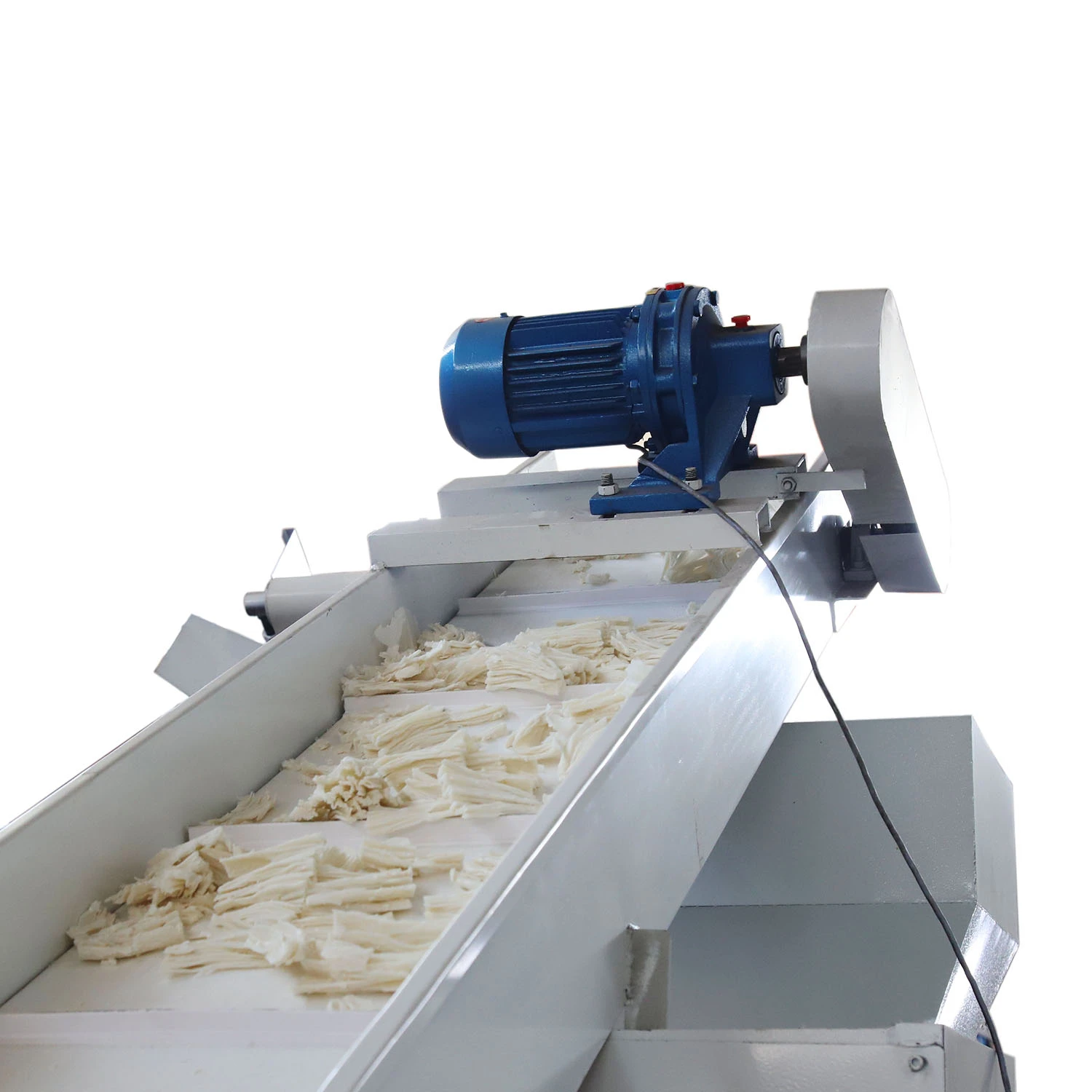
Yes, our equipment is designed with modularity in mind. Most of our plodders and rollers can be integrated into existing lines by matching the output dimensions and conveyor speeds. We provide technical specifications for input and output interfaces to ensure a seamless transition. For Slovakian plants, we recommend a site audit or technical drawing review to ensure the machinery fits within the current factory layout and matches existing power requirements.
What maintenance is required to ensure the longevity of the vacuum extruder?
The most critical maintenance tasks include regular inspection of the vacuum pump seals and lubrication of the drive gearboxes. Because soap mass can be abrasive, monitoring the wear on the extrusion screw is essential. We recommend using our CNC-machined replacement parts and following a quarterly calibration schedule for the vacuum pressure sensors to maintain consistent product density and avoid unplanned downtime.
How do I choose between a soap roller machine and a direct plodder?
The choice depends on your required homogeneity. A soap roller machine is typically used for refining and homogenizing the soap mass before it enters the plodder. If you are producing high-end soaps with many additives or fragrance oils, a roller is necessary to ensure a perfectly smooth blend. For basic laundry or utility soaps, a high-performance vacuum plodder may be sufficient on its own to achieve the desired consistency.
What is the first step to getting a customized machinery quotation for my facility?
The first step is to provide your desired output capacity (kg/hour) and the type of soap you intend to produce (e.g., toilet soap, laundry soap, or specialized bars). Once we have these details, our engineering team will suggest the optimal configuration of vacuum plodders, rollers, and conveyors. You can then request a detailed technical proposal and quotation via our contact page, which will include lead times and shipping logistics for Slovakia.
Get Expert Consultation
Ready to Optimize Your Soap Production in Slovakia?
Whether you are upgrading an existing plant or establishing a new production line, Shijiazhuang Ruisheng Machinery provides the technical expertise and precision equipment needed to excel in the European market. Our team is ready to help you select the right vacuum plodders and refining machinery to increase your output and quality. Contact us today to discuss your specific requirements and receive a professional technical quotation tailored to your operational goals.
Discuss Your Requirements


