
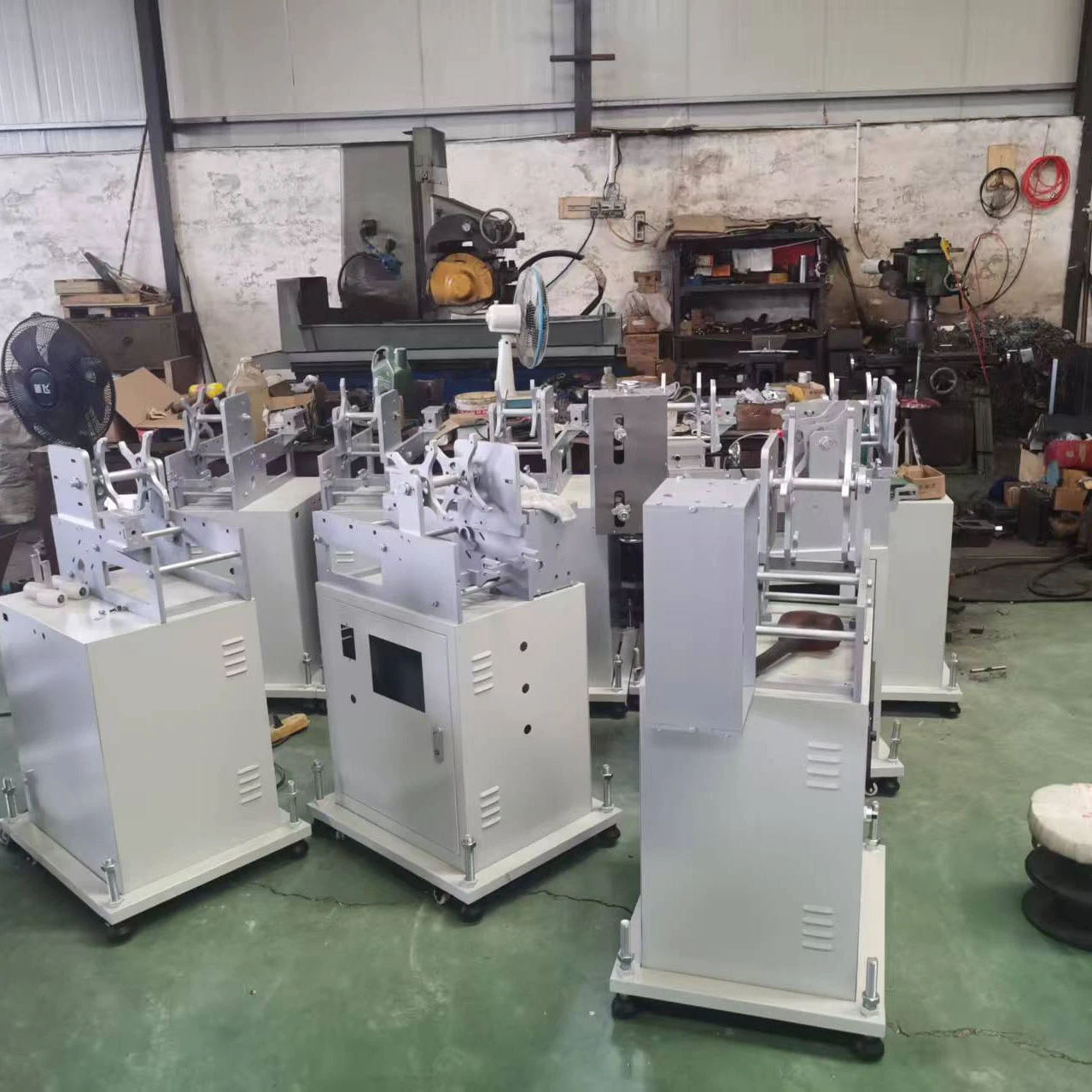
Advanced Soap Processing Equipment
Engineered for precision and durability to meet the rigorous demands of professional detergent and soap manufacturing.
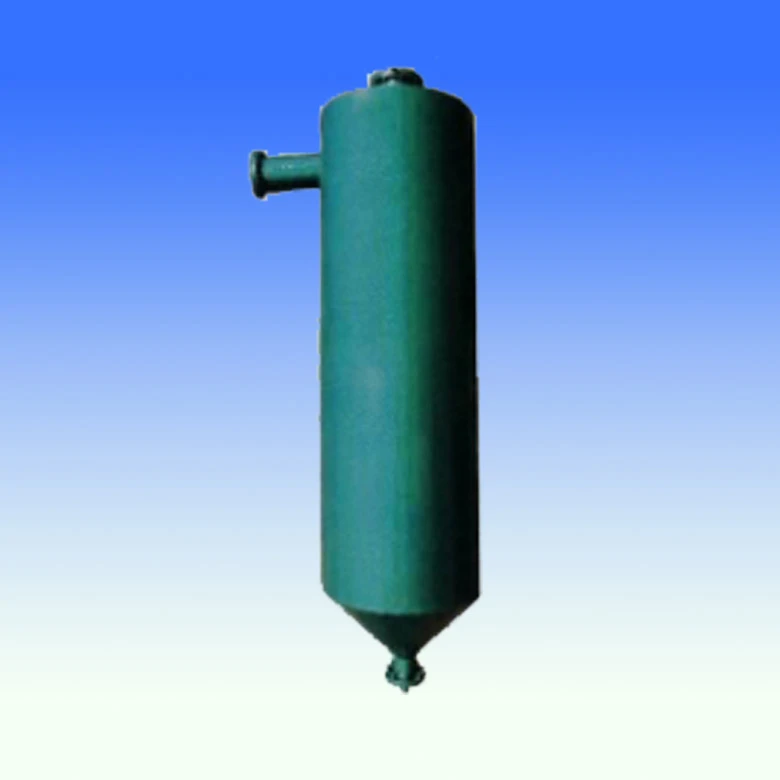
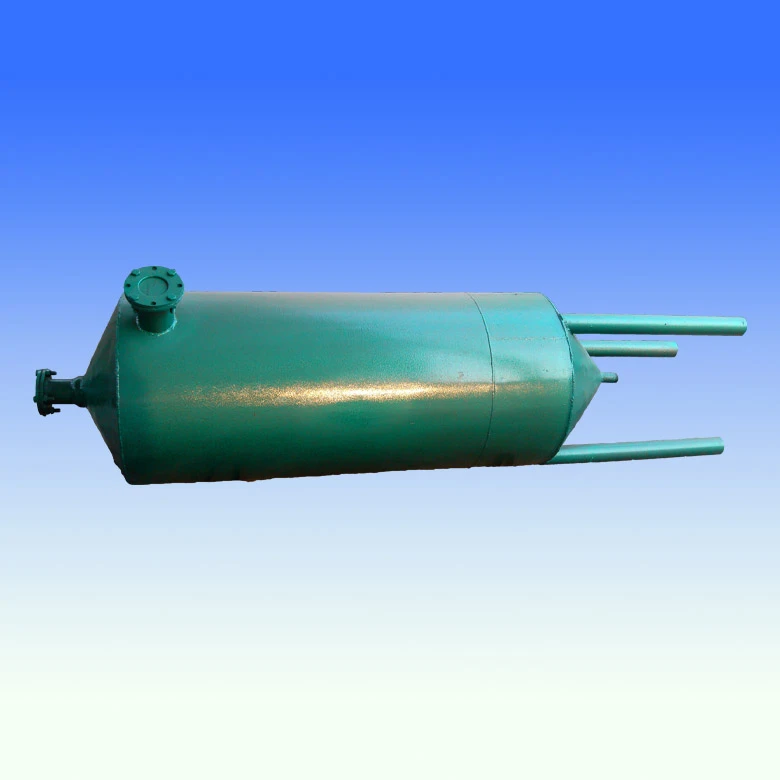
Cyclone Separator (Model 960)
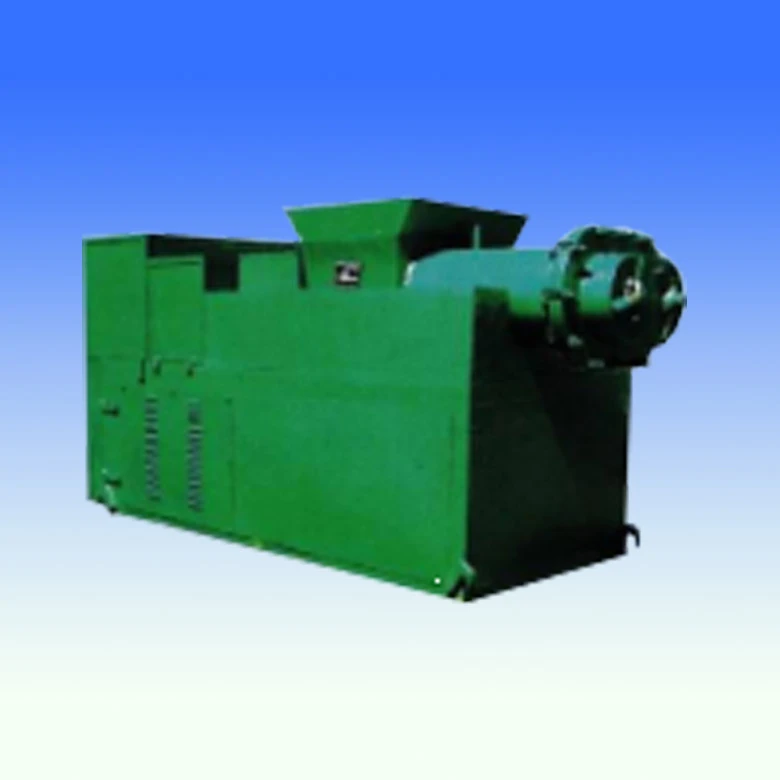
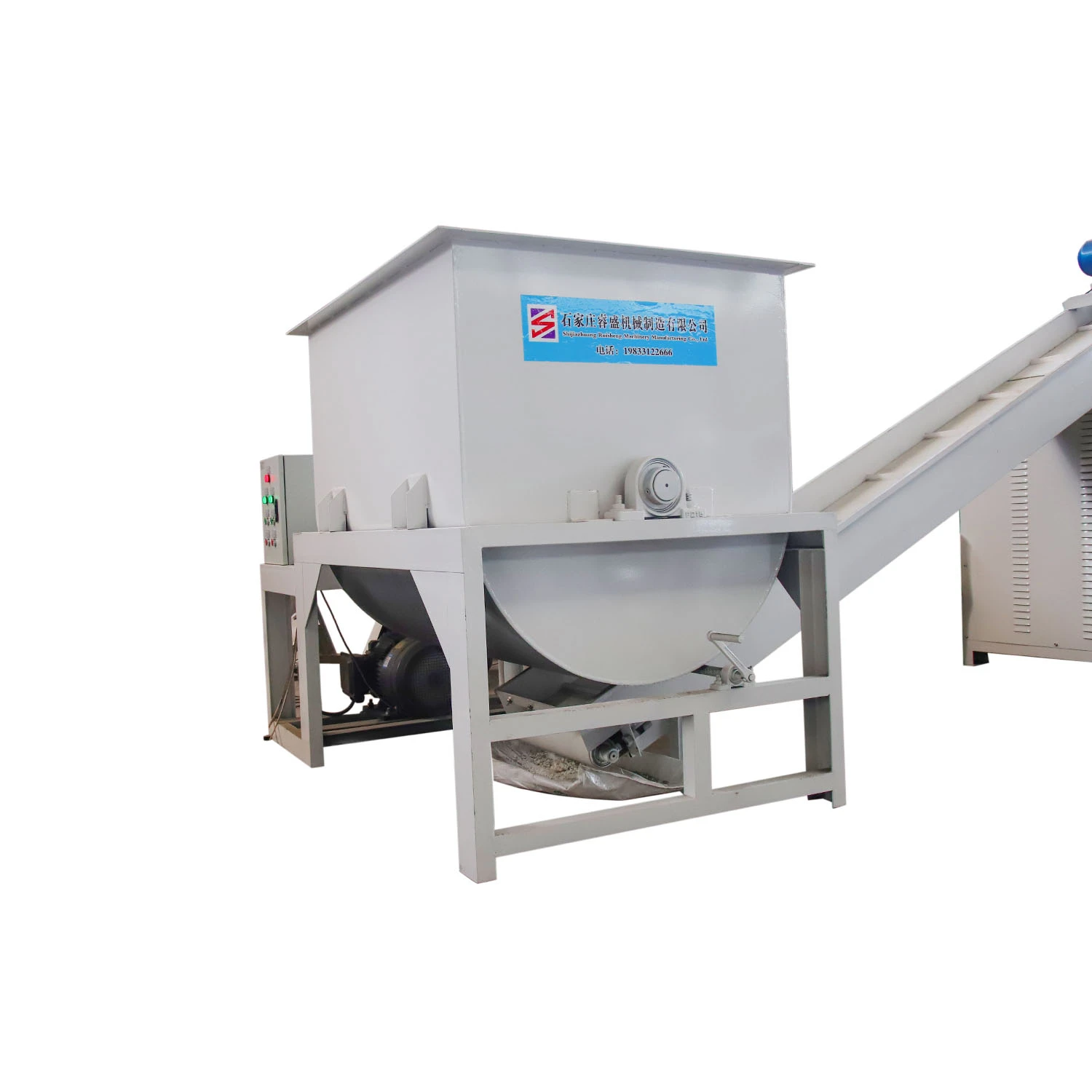
Twin-screw Granulator
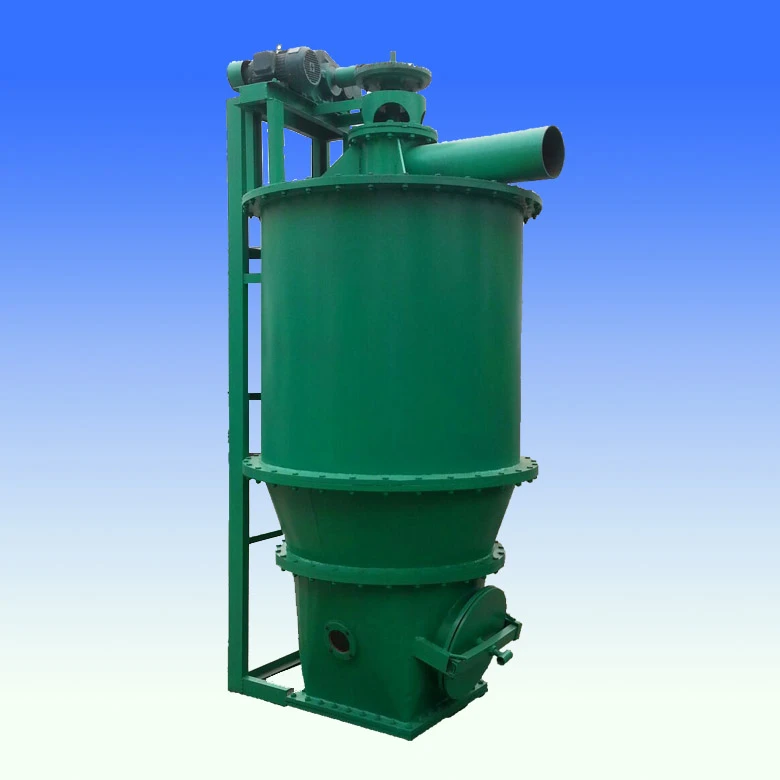
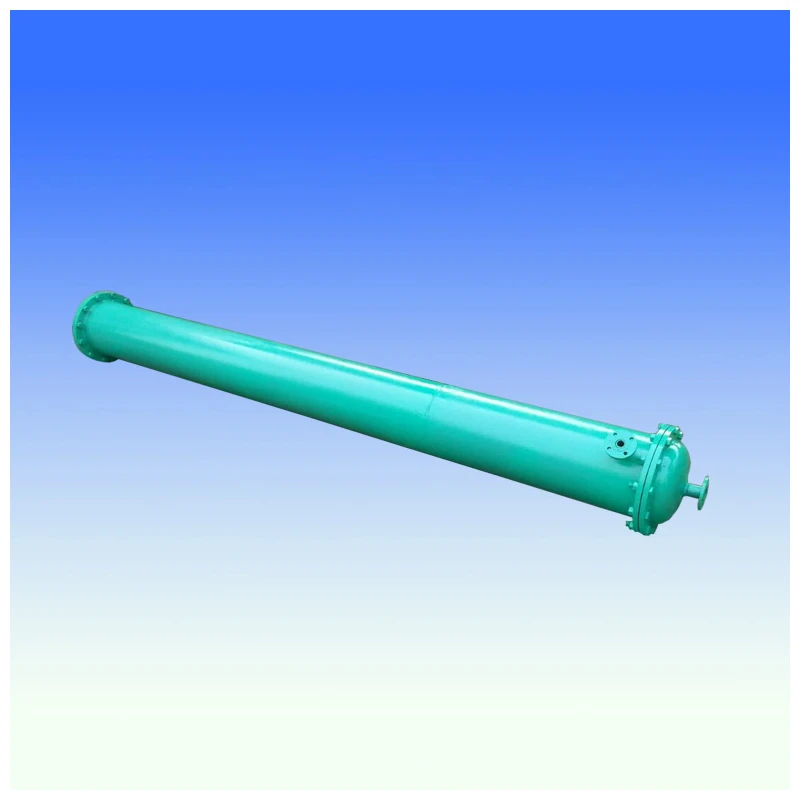
Vacuum Freeze Dry Chamber
Optimizing Soap Production in the Palestinian Market
Analyzing the intersection of regional manufacturing needs and technical equipment requirements.
The regional industrial landscape in Palestine often requires machinery that balances high output with operational resilience. Given the specific logistics and infrastructure environment, local producers prioritize equipment that is easy to maintain and highly reliable during continuous production cycles.
Buyer needs in this market are shifting toward automation to reduce labor costs and improve consistency. There is a growing demand for an extruder vacuum system that can ensure a dense, air-bubble-free soap mass, which is critical for high-quality finished bars.
Procurement strategies in the region emphasize long-term cost-performance. This means selecting machinery that offers a low total cost of ownership through energy efficiency and the use of high-precision CNC machined components to reduce wear and tear.
Evolution of Soap Manufacturing Technology
From manual processing to high-vacuum automated systems.
Market Development History
-
Early Adoption Stage
Reliance on basic mixing and open-air plodding, resulting in variable product density and higher air inclusion in the soap bars. -
Technology Standardization Stage
Introduction of mechanical vacuum systems and standardized rolling, improving the structural integrity of the soap mass. -
Current Integration Stage
Adoption of fully integrated lines featuring soap roller machine technology and electronic dicing for precise shaping.
Future Development Trends
- Modular Automation — Transitioning toward plug-and-play machinery modules that allow factories to scale production capacity incrementally.
- Energy Optimization — Implementing high-efficiency motors and improved vacuum seals to reduce electricity consumption per ton of soap.
- Precision Material Control — Using intelligent dosing and temperature monitoring to ensure the consistency of chemical reactions during saponification.
Strategic Trends in Chemical Equipment
Key drivers shaping the future of specialized soap machinery.
Vacuum Efficiency
Enhanced vacuum stability in plodders to eliminate porosity and improve the shelf-life of cold-process soaps.
Customized Formatting
Increased flexibility in the cold press soap machine settings to accommodate various bar sizes and shapes.
Material Durability
Use of high-grade stainless steel and reinforced alloys to prevent corrosion from alkaline soap bases.
Production Integration
Seamless linking of sigma kneaders, three-roll grinders, and plodders into a single automated workflow.
Outlook for Regional Soap Manufacturing
The industry is moving toward a more diversified product range, where manufacturers no longer produce only generic laundry soap but also specialized beauty and medicinal bars. This transition requires equipment that can handle varying viscosities and additive concentrations without sacrificing output speed.
From an operational standpoint, the integration of digital monitoring for vacuum levels and temperature will allow Palestinian factories to achieve international quality standards, enabling better competitiveness in both domestic and neighboring export markets.
Industrial Application Scenarios
Practical implementations of soap machinery across different production scales.
1
Large-Scale Laundry Soap Plants
Utilizing a duplex vacuum plodder to process high volumes of soap noodles, ensuring a consistent, air-free extrusion for industrial-grade laundry bars.
2
Specialized Dish Bar Production
Implementing a dish bar making machine specifically configured for high-glycerin formulas to produce smooth, moisturizing cleaning bars.
3
Artisan Soap Manufacturing
Applying a cold press soap machine for small-to-medium batches of organic or herbal soaps, where maintaining the integrity of active ingredients is paramount.
4
Integrated Refining Lines
Combining three-roll grinders and vacuum plodders to create a refined soap mass with a high-gloss finish, suitable for premium beauty soap markets.
5
Automated Dicing and Packing
Integrating electronic dicing machines with automatic printers to streamline the transition from extruded soap logs to finished, branded retail units.
About Shijiazhuang Ruisheng Machinery Manufacturing Co., Ltd.
Decades of expertise in specialized chemical and soap equipment manufacturing.
92
1992
Company Foundation
Established in Shijiazhuang City, Hebei Province, focusing on the pursuit of quality in the machinery manufacturing sector.
Capability
Infrastructure Expansion
Modernization of Production
Developed a 6000 square meter facility equipped with high-precision CNC machining centers and intelligent automatic production lines.
Current
Global Reach
International Market Recognition
Expanded exports to regions including Africa, the Americas, and Asia, winning the Ingenuity Award and high-tech enterprise certification.
Soap Machinery Solutions for Palestine Industry
Tailored equipment configurations designed to maximize efficiency and product quality for local manufacturers.
Soap Equipment Technical FAQ
Expert answers to common procurement and operational questions in the soap industry.
How do I choose between a single and a duplex vacuum plodder?
The choice depends on your required output and product quality. A duplex vacuum plodder provides two stages of compression and air removal, resulting in a much denser, smoother soap bar with a superior finish compared to single-stage machines. It is recommended for premium soaps and high-volume production.
What are the main advantages of using an extruder vacuum for soap?
An extruder vacuum removes air bubbles from the soap mass during the extrusion process. This prevents the bars from cracking during cutting and ensures a uniform density, which is essential for the soap's longevity and appearance.
Can a cold press soap machine be used for different soap types?
Yes, cold press machines are versatile. By adjusting the temperature and pressure settings, they can handle a variety of soap bases, including glycerin-based and natural oil soaps, without requiring high heat that might degrade certain ingredients.
What maintenance is required for a soap roller machine to ensure longevity?
Regular lubrication of bearings and periodic inspection of the roller surfaces are critical. Because soap can be corrosive, cleaning the machine after each production run and checking vacuum seal integrity are the most effective ways to prevent downtime.
How is a dish bar making machine different from a regular soap plodder?
Dish bars often have different chemical compositions (higher surfactants) that make the mass stickier. Specialized dish bar machines feature modified screw geometries and temperature controls to handle this specific viscosity and ensure a smooth extrusion.
Does Shijiazhuang Ruisheng Machinery provide customization for Palestinian factories?
Yes, the company provides customized solutions based on specific production needs. This includes adjusting machine capacity, material specifications for corrosion resistance, and integrating different components like sigma kneaders and conveyors into a cohesive line.
Ready to Upgrade Your Production Line?
Whether you are establishing a new plant or optimizing an existing one in Palestine, our professional team is available to discuss your technical requirements and provide detailed machinery configurations.
Contact Us Now


