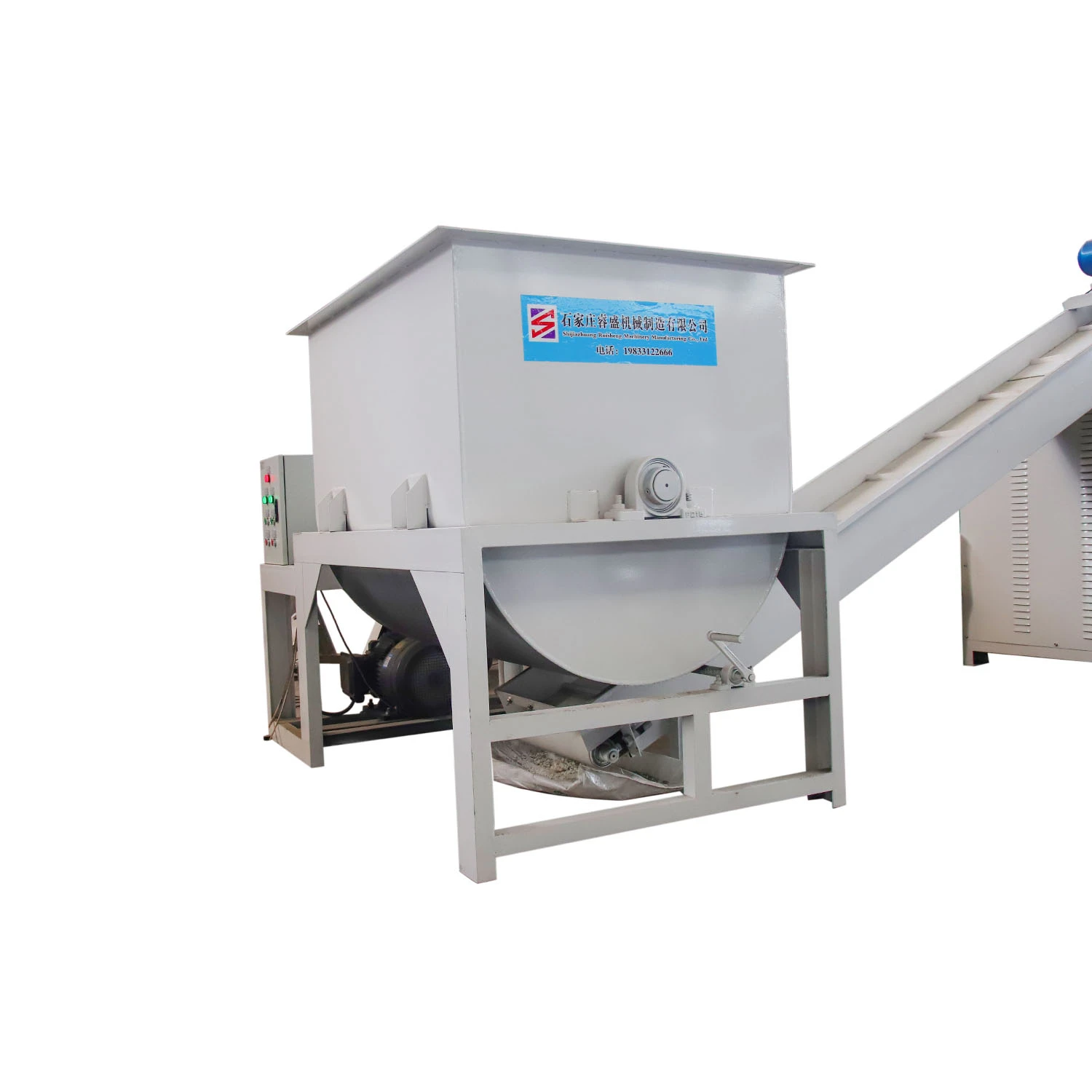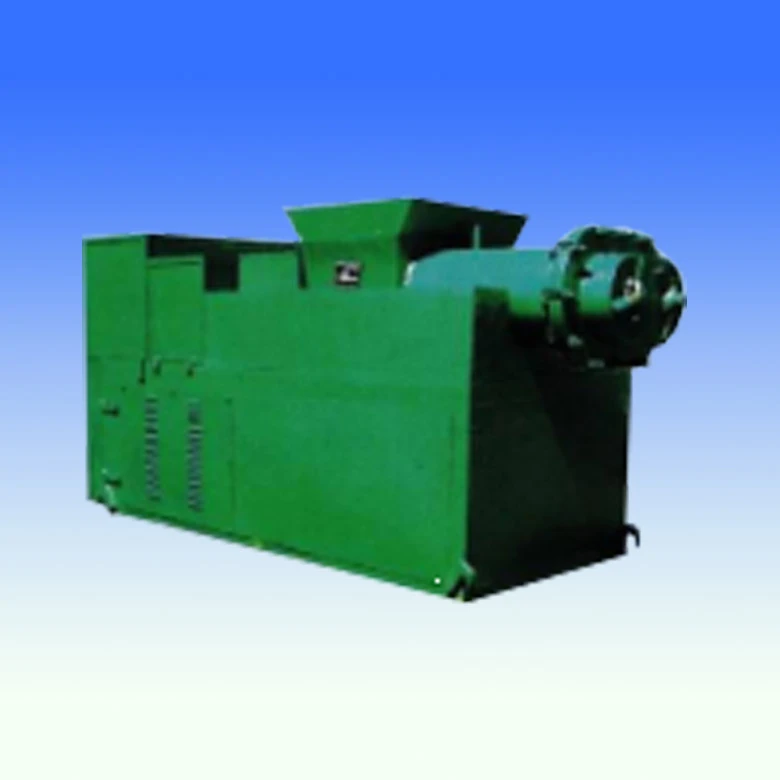
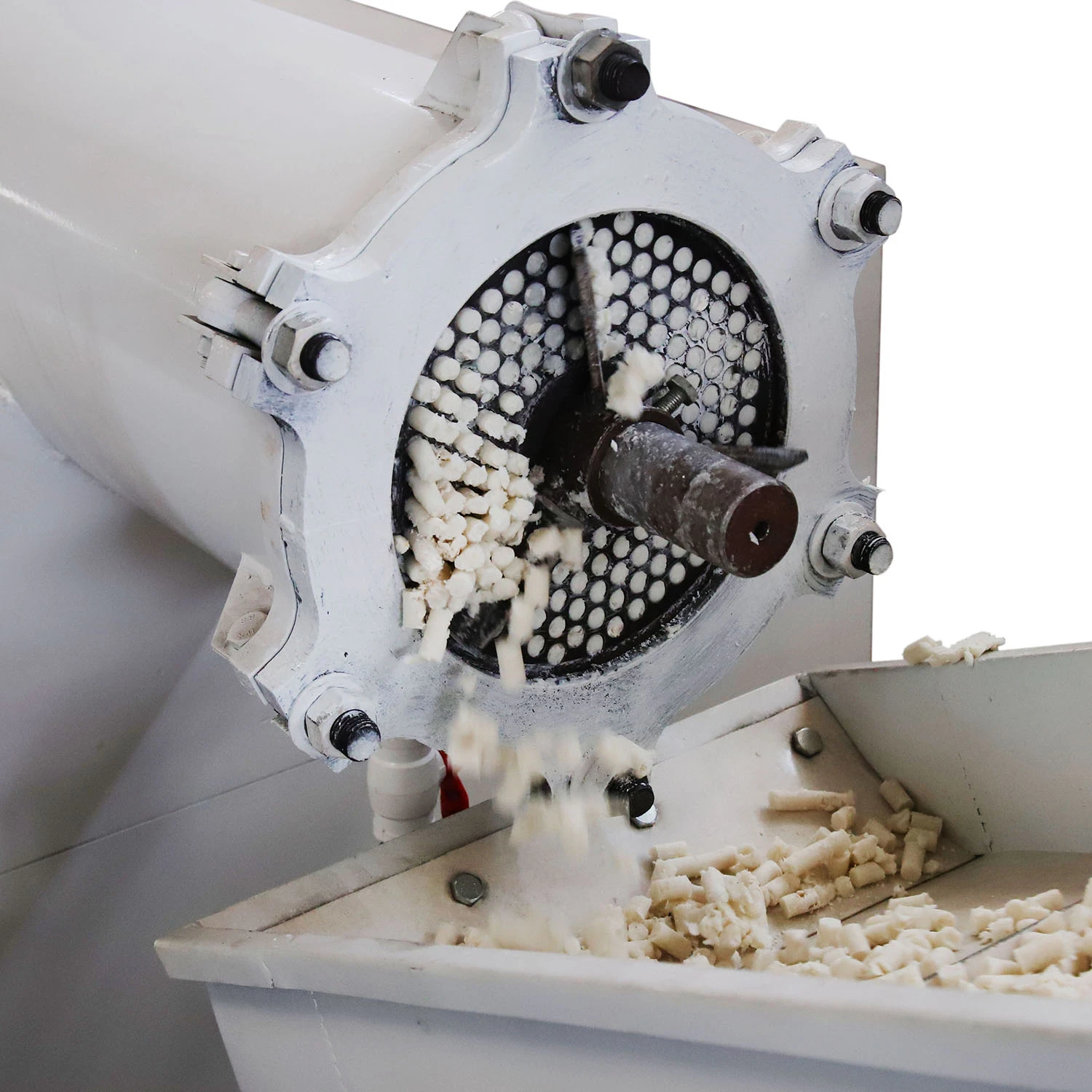
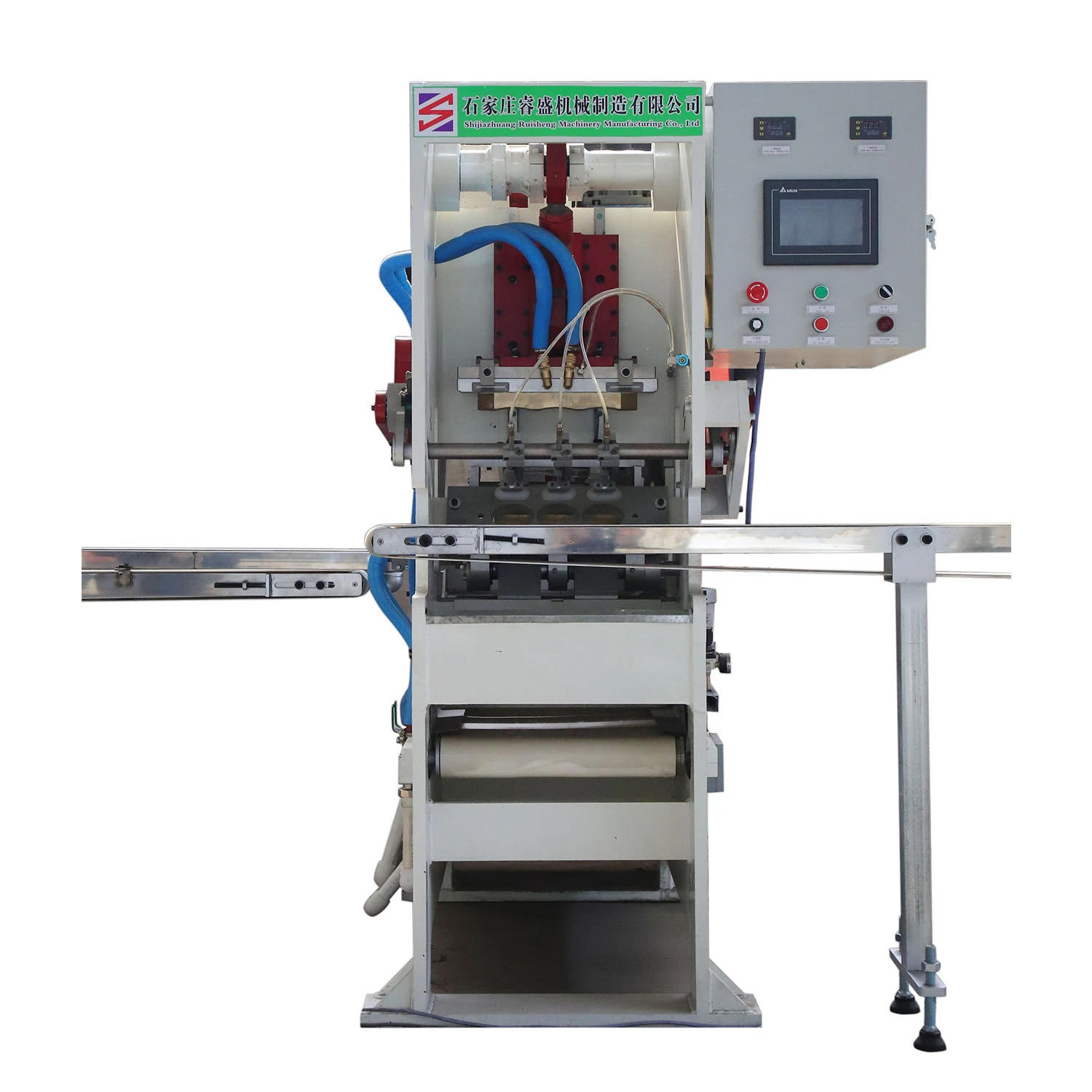
The soap manufacturing sector in Iraq is currently undergoing a transition from traditional small-batch processes to more standardized industrial outputs. Given the region's growing urban population and increasing demand for hygiene products, local factories are seeking ways to improve output consistency. The adoption of a duplex vacuum plodder has become essential for those aiming to eliminate air bubbles and ensure a dense, smooth texture in laundry and toilet soaps, which is critical for product longevity in arid climates.
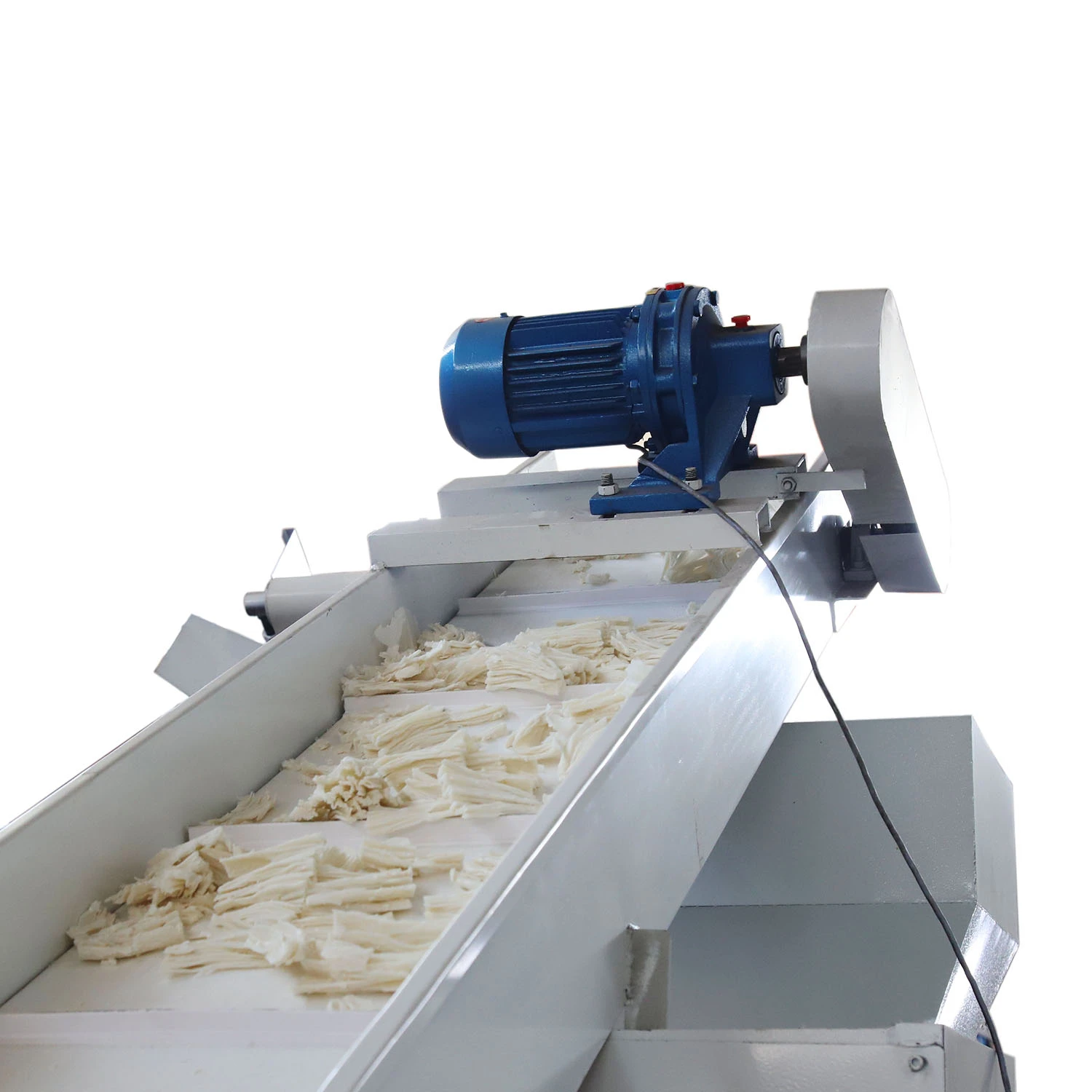
From a technical perspective, the primary challenge for Iraqi producers is maintaining precise temperature and pressure control during the extrusion phase. Utilizing a high-efficiency extruder vacuum allows manufacturers to process soap noodles more uniformly, reducing waste and improving the overall structural integrity of the bar. As the market shifts toward diversified product lines, including specialized dish soaps, the need for versatile machinery that can handle different formulations has increased significantly.
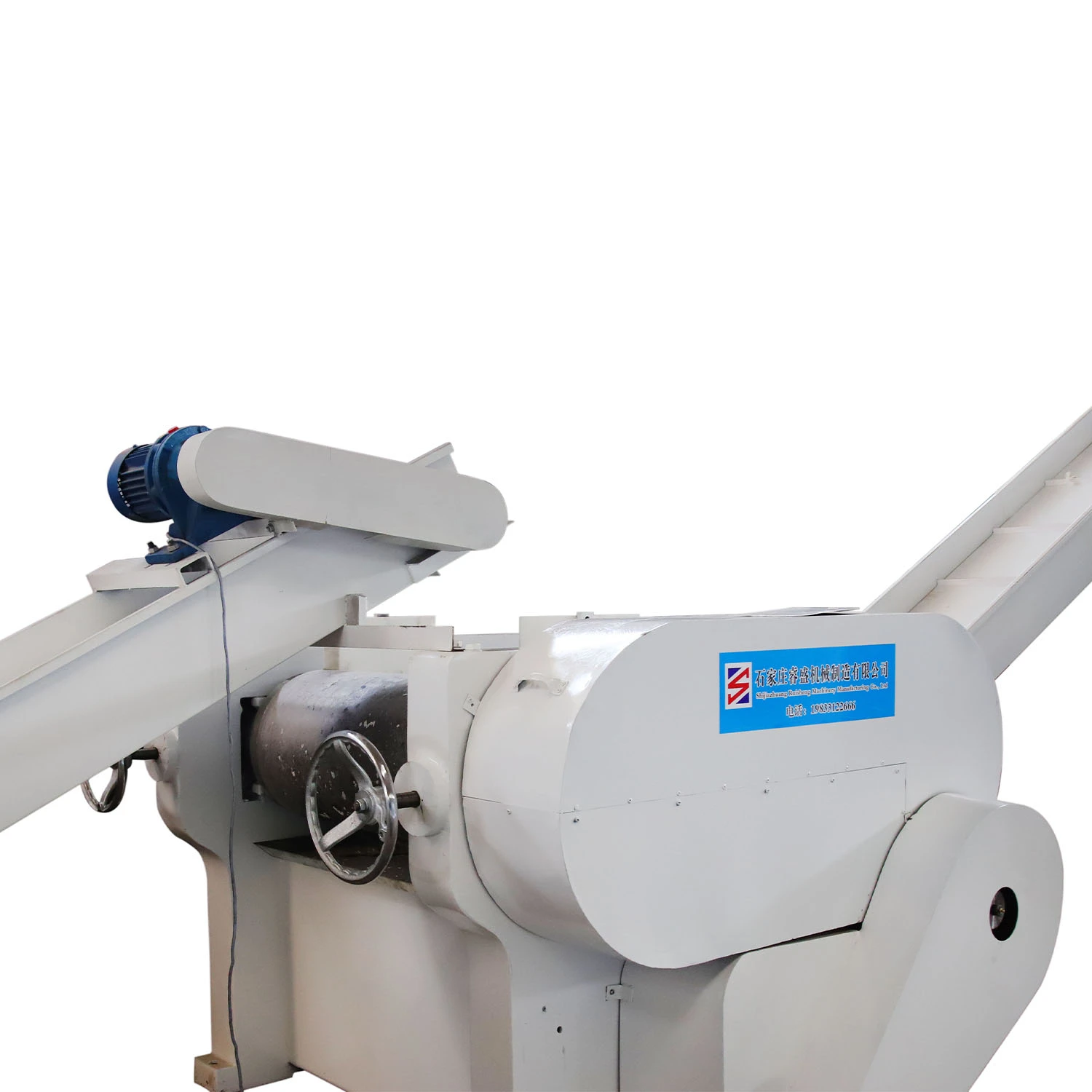
Investment decisions in the region are now heavily influenced by the total cost of ownership and the ease of maintenance. Modern production lines that integrate a soap roller machine to refine the mass before final shaping are proving more sustainable. By focusing on mechanical stability and energy efficiency, Iraqi enterprises can reduce operational overhead while meeting the stringent quality standards required for both domestic consumption and potential regional export.