The soap manufacturing sector in South Sudan is primarily characterized by a growing demand for essential hygiene products. Local production is shifting from manual processes to semi-automated systems to meet the needs of a rising urban population. However, manufacturers often struggle with the inconsistency of imported raw materials, necessitating robust machinery that can handle varying soap bases without compromising quality.
Logistical constraints and the hot, humid climate of the region require machinery built with high-grade corrosion-resistant materials. The industrial infrastructure in key hubs like Juba necessitates equipment that is not only efficient but also easy to maintain, as specialized technical support can be difficult to source locally. This creates a strong preference for durable, high-torque machinery that minimizes downtime.
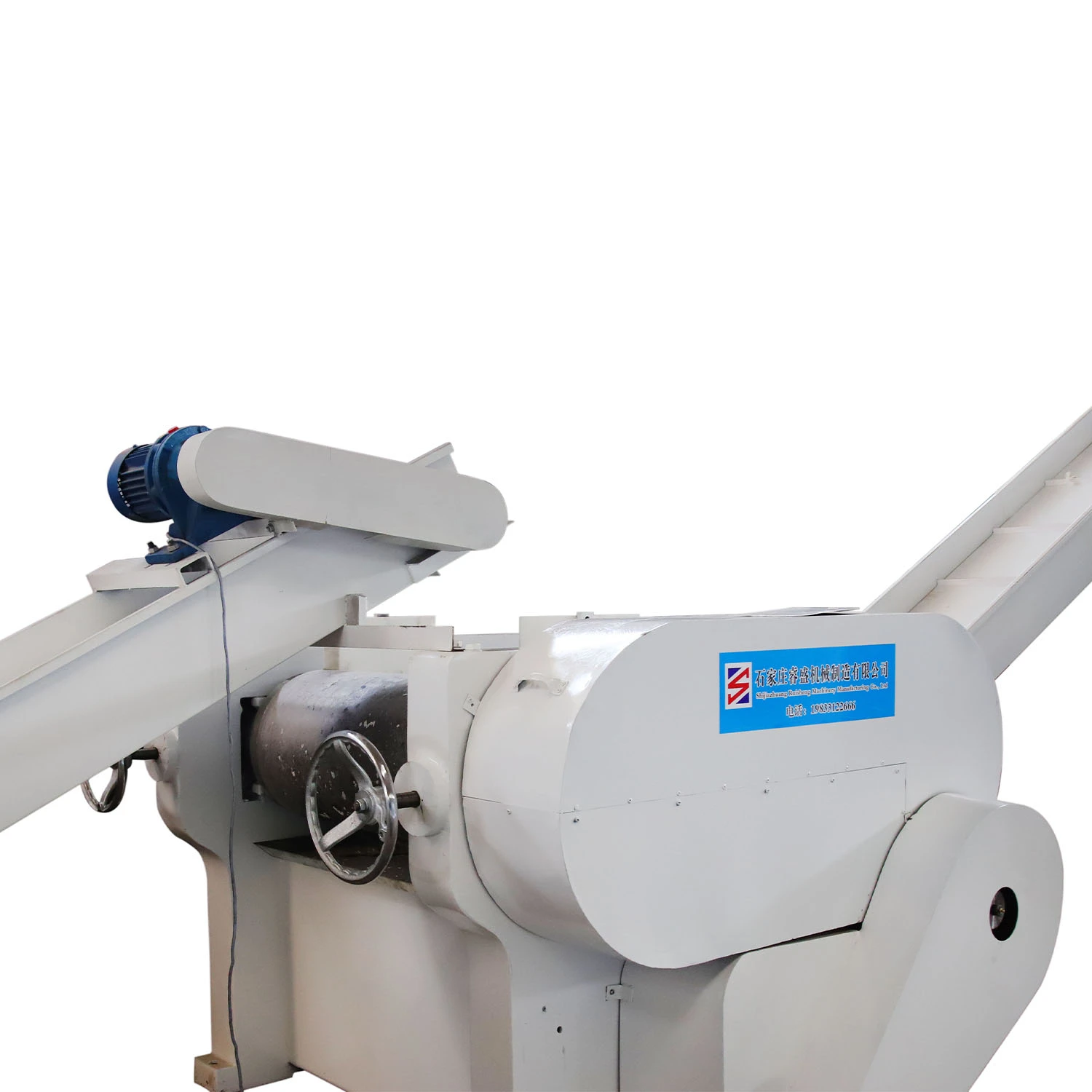
A critical pain point for regional producers is the air entrapment in soap bars, which leads to structural weaknesses and aesthetic flaws. Implementing high-vacuum systems is no longer an option but a necessity for those aiming to compete with imported brands. There is an urgent need for integrated lines that combine refining and extrusion to reduce labor costs and improve throughput.