
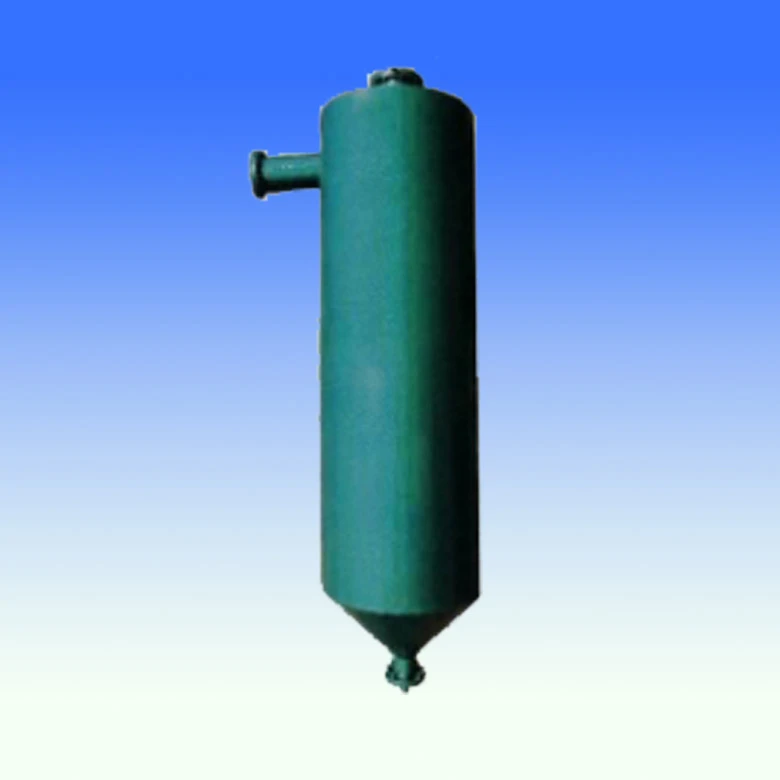
Advanced Soap Production Machinery
Industrial-grade equipment designed for vacuum refining, milling, and shaping in the chemical processing industry.
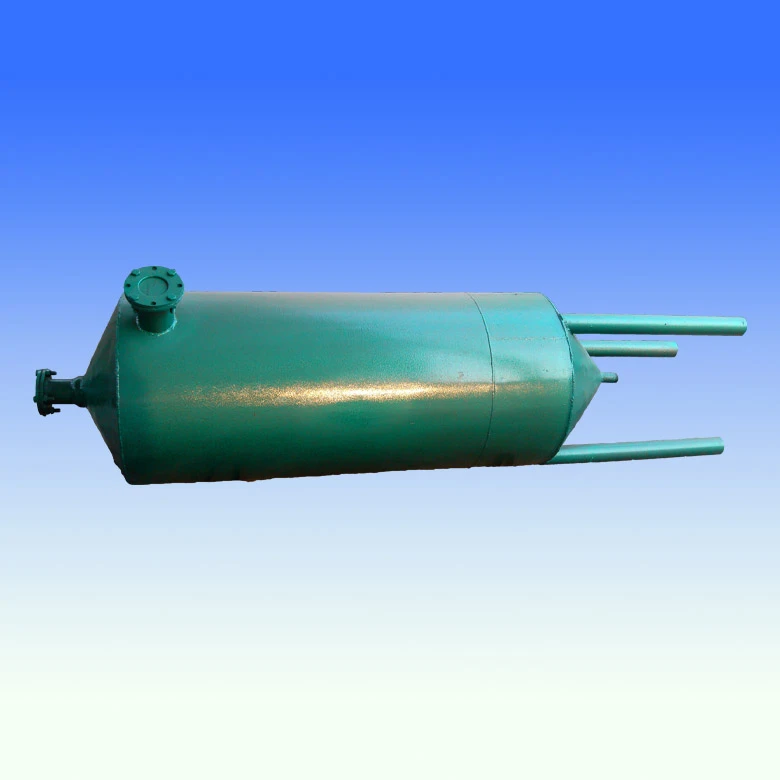
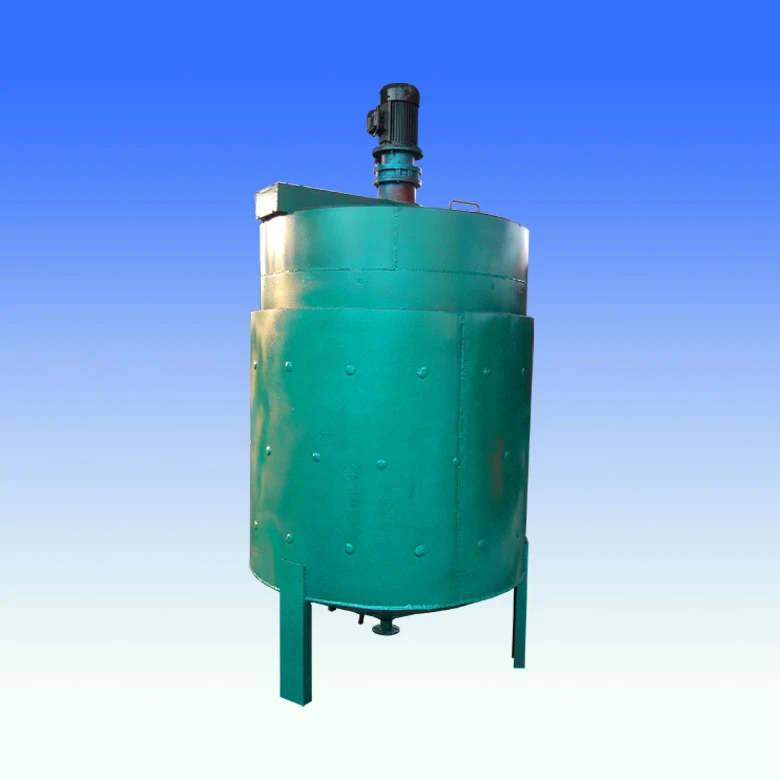
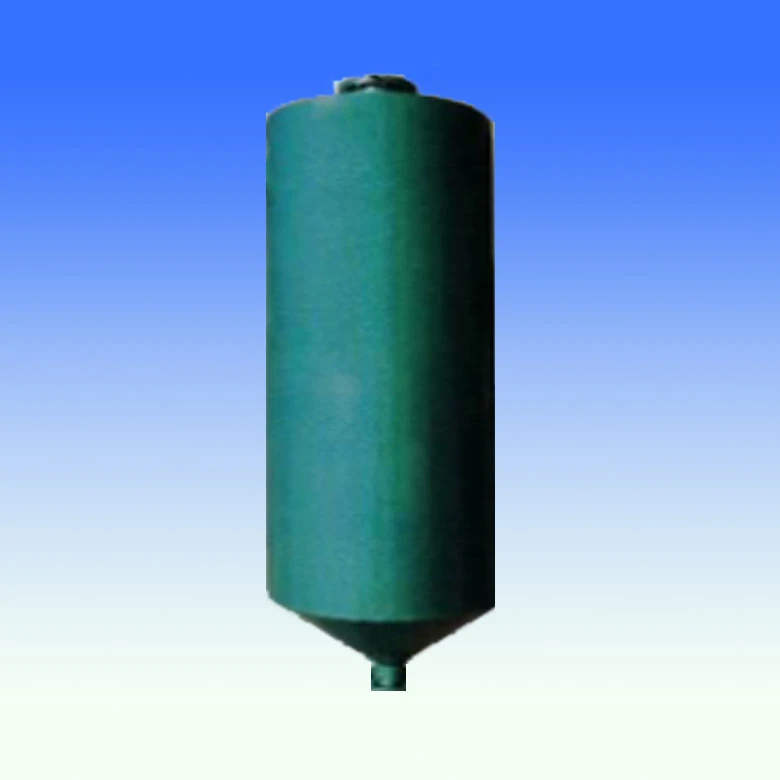
Buffer Tank
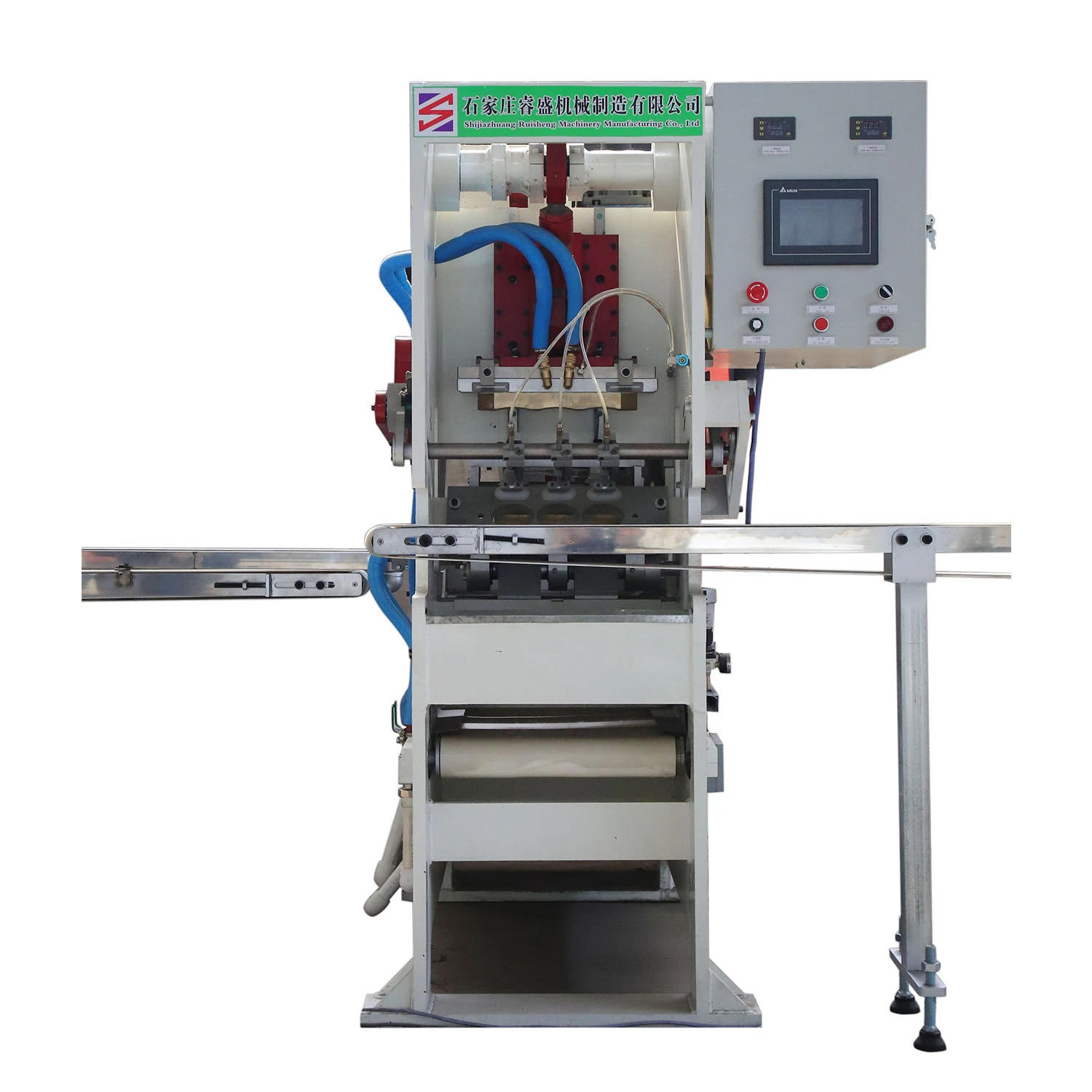
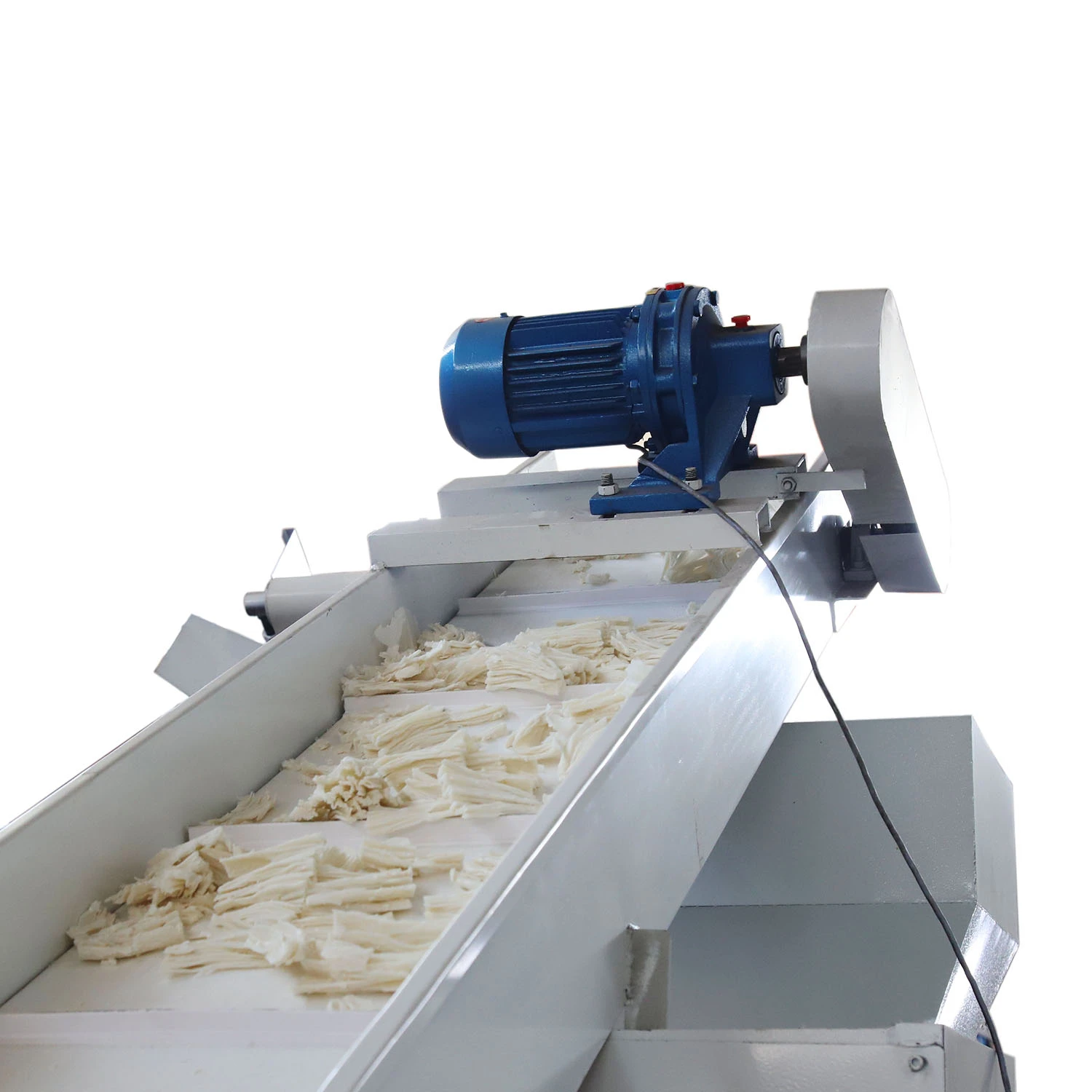
Soap Printer
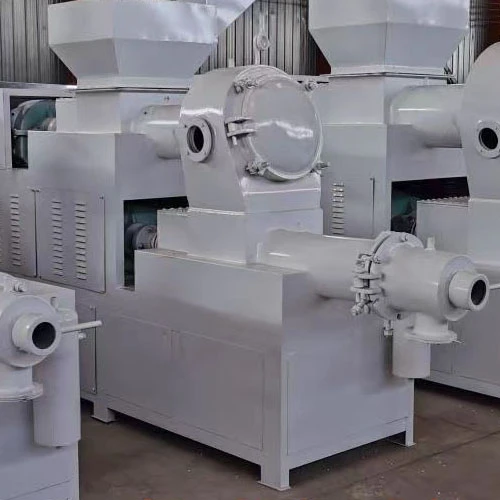
Double Vacuum Stripper (Model 325) 92000
Analyzing Soap Manufacturing Requirements in Indonesia
Addressing operational challenges and equipment selection for regional production facilities.
The Indonesian manufacturing landscape often faces high humidity levels, which significantly impacts the moisture control of soap bars. Utilizing an extruder vacuum system is essential here to remove air bubbles and moisture effectively, ensuring the final product has a smooth texture and extended shelf life.
Local producers are increasingly shifting toward diversified product lines, including laundry bars and dish soap. This requires versatile equipment like a dish bar making machine that can handle varying viscosities and raw material compositions while maintaining high output stability.
Procurement in the region emphasizes the balance between high durability and operational cost. Facilities prioritize machinery that offers a low cost-performance ratio and is compatible with local power grids, making robust CNC-machined components a key requirement for long-term reliability.
Evolution of Vacuum Extrusion Technology
From basic pressing to intelligent vacuum plodding systems.
Industry Development Trajectory
-
Early Manual Stage
Reliance on simple pressing and basic molds with minimal air removal, resulting in inconsistent bar density. -
Mechanical Standardization
Introduction of the soap roller machine and single-stage plodders to improve uniformity and throughput. -
Advanced Vacuum Integration
Adoption of duplex vacuum systems and automated refining lines to achieve professional-grade homogeneity and structural integrity.
Future Operational Trends
- Precision Automation — Transitioning toward fully synchronized lines where dicing and printing are integrated with extrusion.
- Energy Optimization — Developing motors and heating elements that reduce electricity consumption during the cold press process.
- Material Customization — Engineering flexible screw designs to accommodate organic or specialty chemical bases without clogging.
Strategic Trends in Soap Machinery
Key drivers shaping the next generation of soap production equipment.
Modular Design
Implementing interchangeable screw and barrel sets to switch between different soap types rapidly.
Vacuum Precision
Enhanced vacuum pumps to eliminate micro-bubbles, critical for high-end transparent or medicinal soaps.
Sustainability
Reducing waste during the refining process through improved conveyor and scrap recovery systems.
Smart Monitoring
Integrating sensors to monitor temperature and pressure in real-time for consistent quality control.
Industrial Outlook for Soap Processing
The shift toward automated cold press systems is reducing labor dependency while increasing the repeatability of product dimensions. As manufacturers in Indonesia scale, the integration of a cold press soap machine allows for faster cooling cycles and higher throughput without compromising the structural integrity of the bar.
Commercial success in the coming years will depend on the ability to produce specialized bars—such as antibacterial or skin-care soaps—which require strict temperature control and high-vacuum degassing during the plodding phase.
Implementation Scenarios for Soap Machinery
Practical applications of vacuum plodding and refining equipment.
1
Large-Scale Laundry Soap Production
Using a duplex vacuum plodder to handle high volumes of laundry soap base, ensuring high density and a slow-wearing bar through dual-stage compression.
2
Specialty Dish Bar Manufacturing
Applying a dedicated dish bar making machine configured for high-viscosity detergents to produce precise, compact bars for the household cleaning market.
3
Artisanal to Semi-Industrial Scaling
Integrating a soap roller machine and electronic dicing equipment to move from manual batching to a semi-automated line, increasing consistency and reducing waste.
4
Cold Process Formulation Lines
Implementing a cold press soap machine to avoid overheating delicate additives, making it suitable for skincare products containing heat-sensitive oils.
5
Integrated Refining Workflows
Combining sigma kneaders, three-roll grinders, and vacuum plodders into a single continuous flow to minimize handling and contamination.
The Legacy of Shijiazhuang Ruisheng Machinery Manufacturing Co., Ltd.
Decades of expertise in the precision engineering of soap production equipment.
92
1992
Company Foundation
Established in Shijiazhuang City, Hebei Province, focusing on the fundamental pursuit of quality in machinery manufacturing.
--
Capability Expansion
Manufacturing Excellence
Development of a 6,000 square meter facility featuring high-precision CNC machining centers and intelligent automatic production lines.
--
Global Reach
International Market Expansion
Successfully exported advanced soap machinery to diverse markets including Ethiopia, Kenya, Nigeria, the United States, and New Guinea.
Customized Equipment for Indonesian Soap Factories
Tailored machinery solutions to meet local production standards and capacity requirements.
Soap Machinery FAQ for Regional Buyers
Technical and procurement guidance for optimizing your soap production line.
How does a duplex vacuum plodder improve soap bar quality?
A duplex vacuum plodder uses two stages of vacuum extrusion to remove air and moisture more thoroughly than single-stage machines. This results in a denser, more homogenous bar with a smoother surface and improved structural strength.
What should I consider when selecting a dish bar making machine for the Indonesian market?
Prioritize machines with adjustable screw speeds and robust vacuum systems to handle high-humidity raw materials. Ensure the equipment is constructed from high-grade stainless steel to prevent corrosion from detergent chemicals.
Is a cold press soap machine suitable for specialty organic soaps?
Yes, cold press technology is ideal for organic soaps because it minimizes heat generation during extrusion. This protects heat-sensitive essential oils and active ingredients from degrading during the shaping process.
How do I maintain a soap roller machine for long-term industrial use?
Regularly lubricate bearings and inspect roller alignment to prevent uneven soap distribution. Ensure that the rollers are cleaned daily to avoid residue buildup, which can lead to surface imperfections on the bars.
What is the advantage of using an extruder vacuum over standard pressing?
Vacuum extrusion actively pulls air out of the soap mass as it is compressed. This eliminates internal voids and bubbles, preventing the bars from cracking and ensuring a consistent weight and volume across all units.
Can Shijiazhuang Ruisheng Machinery provide customized solutions for existing lines?
Yes, with an extensive background in CNC machining and a professional technical team, the company provides customized equipment modifications and new machine integration to match specific production capacities and material requirements.
Consult Our Engineering Team for Your Indonesia Plant
Whether you are upgrading to a duplex vacuum system or establishing a new production line in Indonesia, our technical experts are ready to provide detailed quotations and customized machinery configurations.
Contact Us Now


